
What Is Touch Starvation (And Why New Moms Feel It)
 Farah
Farah
This post may contain affiliate links. As an Amazon Associate, I earn from qualifying purchases.
Touch starvation is the physical and emotional discomfort that builds up when you go without enough meaningful human touch. It shows up as restlessness, irritability, a low-grade craving for connection, or a strange numb feeling in your own skin. For new moms, this often hits in the middle of a season where your body is touched constantly, just rarely in a way that fills you up.
That contradiction confuses a lot of women. You are holding a baby for hours a day, nursing or bottle feeding, skin to skin, and still feel starved for touch. This happens because most of the touch in early motherhood is one-directional. You are giving comfort, not receiving it, and your nervous system knows the difference.
Why Does Touch Starvation Matter For New Moms
The newborn stage rearranges your body’s whole relationship with touch. Before the baby, physical contact with a partner, friends, or coworkers was probably spread throughout your day without you noticing it. A hug hello, a hand on your shoulder, sitting close on a couch. After birth, a lot of that disappears. Visitors come to hold the baby, not you. Partners are often exhausted too, and touch between you can quietly slide down the priority list for weeks or months.
At the same time, you are giving out enormous amounts of physical contact. Nursing, rocking, babywearing, and cosleeping all involve near constant skin contact, but it is asymmetrical. Your body is doing the soothing, not receiving it. Researchers who study touch and attachment describe this as a real physiological gap, not just a feeling. Skin contact triggers oxytocin release in both directions when it is mutual, but one-way caregiving touch does not offer your body the same regulating effect.
Understanding this matters because touch starvation is often mistaken for something else entirely. Moms describe it as irritability, touch aversion toward their own baby by the end of a long day, or a vague sense that something is missing even when the marriage or friendships are fine. Naming it as touch starvation, rather than a personal failing or a sign something is wrong with your relationships, is often the first relief.
What Causes Touch Starvation After Having A Baby
A few overlapping factors tend to stack up in early motherhood. Recovery from birth can make certain kinds of touch physically uncomfortable, so you may be avoiding contact your body would otherwise want. Sleep deprivation heightens sensory sensitivity, which means touch that used to feel good can start to feel like too much, especially by evening. Add a baby who wants to be held constantly, and your body can reach a point of touch overload and touch deprivation at the same time.
Social contact shrinks too. Many new moms describe losing the casual daily touch that came from an office, a gym class, or seeing friends regularly. If you are managing most of the household and childcare largely on your own, adult touch of any kind- a hug, a hand held, someone rubbing your back- can become rare without anyone intending for that to happen.
How To Know If You Are Touch Starved
Touch starvation does not always look like an obvious craving for hugs. Common signs include feeling irritable when the baby wants to be held yet again, a flat or numb sensation in your own body, trouble relaxing even when you finally get a quiet moment, and a longing for touch that is hard to name or ask for directly. Some moms notice they flinch or pull away from touch that used to be welcome, which is often touch overload layered on top of the deeper starvation, not a sign that touch itself is the problem.
If this sounds familiar, the goal is not to stop touching your baby less. It is to add adult, mutual touch back into your days in ways that fit your real life.
What Helps Touch Starvation
Small, consistent contact tends to work better than waiting for a big gesture. A twenty-second hug releases more oxytocin than a quick pat, so if you have a partner, asking directly for a longer hug at the end of the day is a reasonable, specific request. Sitting close on the couch instead of across the room, holding hands during a hard conversation, or a shoulder or foot rub while the baby naps all count.
For moms without a partner nearby, or with a partner who also runs on empty, other sources of touch matter too. A massage, even a short one, gives your body mutual, receiving touch instead of the giving touch you do all day. Friends and family who visit can be asked directly for a hug rather than assuming they will offer one. Some moms find that a weighted blanket or a warm bath provides a partial, calming substitute on days when human touch is not available, though it does not fully replace it.
This is an area where every household looks different. A mom with a supportive partner at home has more built-in opportunities than a mom parenting largely solo, and a mom recovering from a difficult birth may need touch to look gentler and slower for a while. The core need, mutual and receiving touch, stays the same even when the specifics change. If you are also working through the wider adjustment of these early weeks, our postpartum recovery guide covers the physical and emotional side of this season in more depth.
Frequently Asked Questions
Can You Be Touch Starved While Holding Your Baby All Day
Yes. Holding, nursing, and babywearing are almost entirely one-directional. Your body is providing comfort rather than receiving it, so the constant contact with your baby does not fill the same need as mutual, adult touch.
Is Touch Starvation A Real Medical Condition
It is not an official diagnosis, but it describes a real and well documented physiological response. Touch plays a measurable role in regulating stress hormones and mood, so going without enough mutual touch has real, noticeable effects, even though it is not something a doctor would formally diagnose.
How Long Does Touch Starvation Last After Having A Baby
There is no fixed timeline. For many moms, it eases as sleep improves, physical recovery progresses, and adult touch gets rebuilt into daily routines. For others, especially without a partner at home or with limited outside support, it can linger longer unless touch is added back intentionally.
What If My Partner Is Also Touch Starved
This is common, since both parents can be giving constant physical care to a baby while receiving little contact themselves. Naming it out loud to each other and trading small, specific moments of mutual touch, a hug at the door, a shoulder rub before bed, tends to work better than waiting for the other person to offer first.
Can Touch Starvation Cause Irritability Or Touch Aversion
Yes. Feeling touched out by evening and feeling touch starved often happen at the same time. Sensory overload from a day of caregiving touch can make you want space, while your body still needs mutual, receiving touch to feel regulated. Both can be true at once.
Is A Massage Enough To Fix Touch Starvation
A massage can genuinely help, since it offers your body receiving touch instead of the giving touch involved in caregiving. It is not a full substitute for ongoing physical connection with a partner, friends, or family, but it is a reasonable and doable option on weeks when that connection is harder to come by.
Final Thoughts
Touch starvation is not a sign that something is wrong with you or your relationships. It is a predictable result of a season where your body gives constant physical comfort and rarely receives it. According to the Psychology Today overview of touch and wellbeing, mutual physical contact plays a measurable role in regulating stress, which is exactly what feels hardest to come by right now. Start with one small, specific ask this week: a longer hug, a held hand, a shoulder rub, and let that be enough for now.
Photo by Egor Ivlev: Unsplash

 Mercy Kambura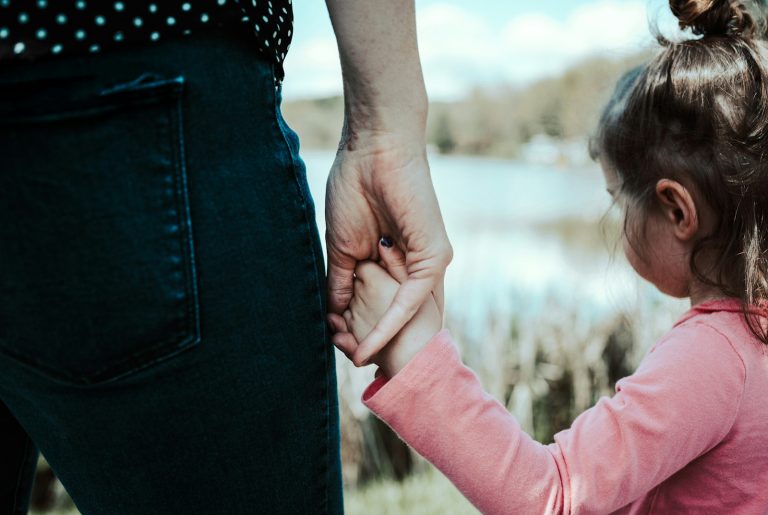
 kellybryson
 JayDee Vykoukal
 Chelsy
 Elaine Wilson