
Why Bento-Style Lunchboxes Are Winning Back To School 2026
 Farah
Farah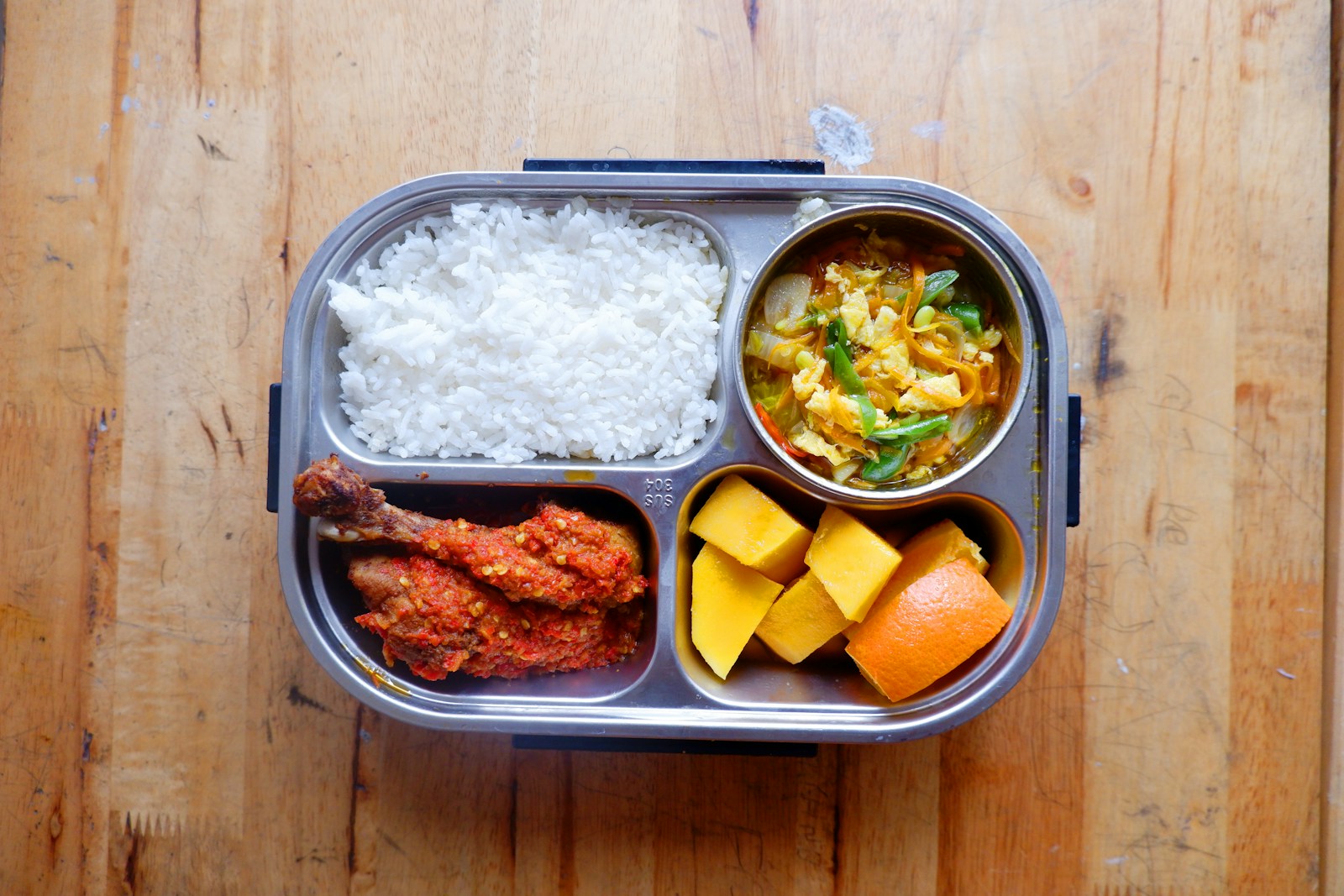
This post may contain affiliate links. As an Amazon Associate, I earn from qualifying purchases.
You spent twenty minutes packing a lunch last year, and half of it came home untouched in a crumpled paper bag. This year, the fix showing up in cart after cart is not a new sandwich recipe; it is a completely different container. Bento-style lunchboxes, the compartmentalized boxes that keep every food separate, have become one of the most requested back to school items of 2026, and the reasons behind the shift go well beyond looks.
What Makes A Lunchbox Bento-Style
A true bento-style lunchbox is built around separation. Instead of one open compartment where a sandwich, crackers, and fruit slide into each other by lunchtime, the box has multiple sealed or semi-sealed sections, usually three to five, each sized for a different food. Some versions use removable trays; others use built-in dividers molded directly into the box. The category also includes hybrid designs with a small insulated thermos pod tucked into one corner, so a warm side and a cold side can sit in the same container without one ruining the other.
The style borrows its name and layout from traditional Japanese bento boxes, but the versions on back to school shelves in 2026 are built for durability and dishwashers rather than tradition. Leak-proof seals, BPA-free plastic or food-grade stainless steel, and dishwasher-safe trays are now standard expectations rather than premium features.
Why Bento-Style Lunchboxes Are Everywhere In 2026
Search interest in bento-style lunchboxes has climbed steadily over the past few years, and this back to school season is pushing that trend even higher. Part of the appeal is practical. Pediatric dietitians point out that compartmentalized boxes make it easier for picky eaters to accept variety, since a food a kid is unsure about sits in its own small section rather than touching something they already like. Parents also lean on the built-in portion sizes to pack balanced lunches without measuring anything, which cuts down on both food waste and the negotiation that happens over what counts as “too much” or “not enough.”
The other driver is identity, the same force behind so much of this year’s back to school shopping. Character collaborations, including a Bluey bento lunchbox that has been selling out in waves, let kids carry something that feels personal rather than generic. That character pull is not unique to lunchboxes. It shows up across this year’s back to school wish lists, where kids treat water bottles and bag charms as identity pieces just as much as school supplies, and a lunchbox with a favorite character on it fits into that same instinct.
The Best Bento Lunchbox Brands And What They Actually Offer
Not every bento-style box is built the same way, and the differences matter once you factor in your kid’s age, appetite, and how rough they are on their belongings.
| Brand | Best For | Standout Feature | Typical Price |
|---|---|---|---|
| Bentgo Kids | Ages 3 to 7 | Five compartments, lightweight, dishwasher-safe | $20 to $30 |
| PlanetBox Rover | Ages 3 and up, smaller appetites | Stainless steel, leak-proof wet food containers | $45 to $60 |
| OmieBox | Preschool and daycare | Built-in thermos pod for hot and cold together | $35 to $45 |
| Bentgo Pop | Ages 8 and up | Full-size sandwich section for bigger appetites | $20 to $28 |
Budget plastic options start around fifteen dollars, while stainless steel versions with more durability and insulation run fifty dollars or higher. For most families, a mid-range plastic box in the twenty-five to forty-five dollar range covers the daily wear of a full school year without the higher price tag of steel.
Packing A Bento Box Kids Will Actually Eat
Bento-style lunchboxes only solve the lunchtime problem if what goes inside actually gets eaten. The most reliable approach is pairing one new or less familiar food with two or three items your kid already likes, so the box never feels like a gamble. Small dip cups for ranch, hummus, or yogurt turn plain vegetables and fruit into something more appealing without extra prep work. Bite-sized portions also matter more than most parents expect. Cutting a sandwich into quarters, halving grapes for younger kids, and portioning crackers into a single layer instead of a mound all make a lunch look more approachable when the box is opened at a crowded table.
Rotating two or three go-to combinations through the week keeps packing fast without sacrificing variety. A leftover dinner protein, a handful of a favorite cracker, and one piece of fruit fills three compartments in under five minutes most mornings.
Food Safety Rules Every Bento Box Needs
Compartments do not keep food safe on their own, and that is where a lot of well-packed lunches quietly go wrong. According to USDA’s back to school food safety guidance, lunches should stay out of the temperature danger zone between 40 and 140 degrees Fahrenheit, which means an insulated bag and at least two cold sources, like a gel pack and a frozen water bottle, are not optional extras. Placing one cold source above the food and one below keeps the entire box at a safer temperature rather than just the bottom layer.
For warm foods like soup or pasta, a separate insulated thermos holds heat better than relying on a bento box’s built-in pod alone. Preheating the thermos with boiling water for a few minutes before adding the food helps keep it hot throughout the morning. Skip paper bags entirely for anything perishable, since they lose their ability to insulate the moment an ice pack starts to sweat. Washing the lunchbox every day, including the seals and any silicone dividers, keeps bacteria from building up in the small crevices that make bento boxes so good at separating food in the first place.
Bento Box Vs Traditional Lunchbox: Which One Fits Your Kid
A bento-style box is not automatically the right upgrade for every kid. Younger children and picky eaters tend to benefit the most from the built-in separation and portion control, since it removes some of the daily negotiation over what touches what. Kids who eat the same simple lunch every day, like a single sandwich and a piece of fruit, may not need the extra compartments and could do just as well with a traditional insulated lunchbox and a couple of reusable containers. Older kids with bigger appetites sometimes find the smaller bento sections limiting, which is where a box like Bentgo Pop, built with a full-size sandwich compartment, tends to work better than a five-compartment version designed for smaller portions.
Frequently Asked Questions
Are bento-style lunchboxes actually worth the extra cost? For most families, yes, especially for picky eaters or younger kids who benefit from portion separation. A mid-range plastic option in the $25–$45 range typically lasts a full school year and holds up well to daily use.
What size bento box is right for my kid’s age? Younger kids, roughly ages three to seven, generally do well with a five-compartment box built for smaller portions, while kids eight and older often need a box with at least one larger section that fits a full sandwich.
Can a bento box keep both hot and cold food safe? Some boxes include a built-in insulated thermos pod for warm food, but a separate dedicated thermos usually holds heat longer for anything that needs to stay warm past mid-morning. Cold sections still need their own ice packs regardless of the box style.
How often should a bento lunchbox be washed? Every day, including the seals, lids, and any removable dividers. Crumbs and moisture trapped in the small compartments are exactly where bacteria build up fastest.
Are stainless steel bento boxes better than plastic ones? Stainless steel versions last longer and hold up better to rough daily use, but they cost more and are heavier for younger kids to carry. Most families find that quality BPA-free plastic covers their needs without the higher price tag.
Final Thoughts
Bento-style lunchboxes are popular this year for a simple reason: they solve a problem parents deal with every single morning. Picking the right box comes down to your kid’s age, appetite, and how much they actually eat when food is pre-portioned rather than piled together. Start with one solid box built for daily wear, pack a familiar item alongside something new, and let the rest of the lunch routine sort itself out from there.

 JayDee Vykoukal

 Aqsa Salam
 Tess Dinapoli

 Ayodele Akenzua