
Underconsumption Core Parenting: Why Families Are Buying Less This Holiday Season
 Chelsy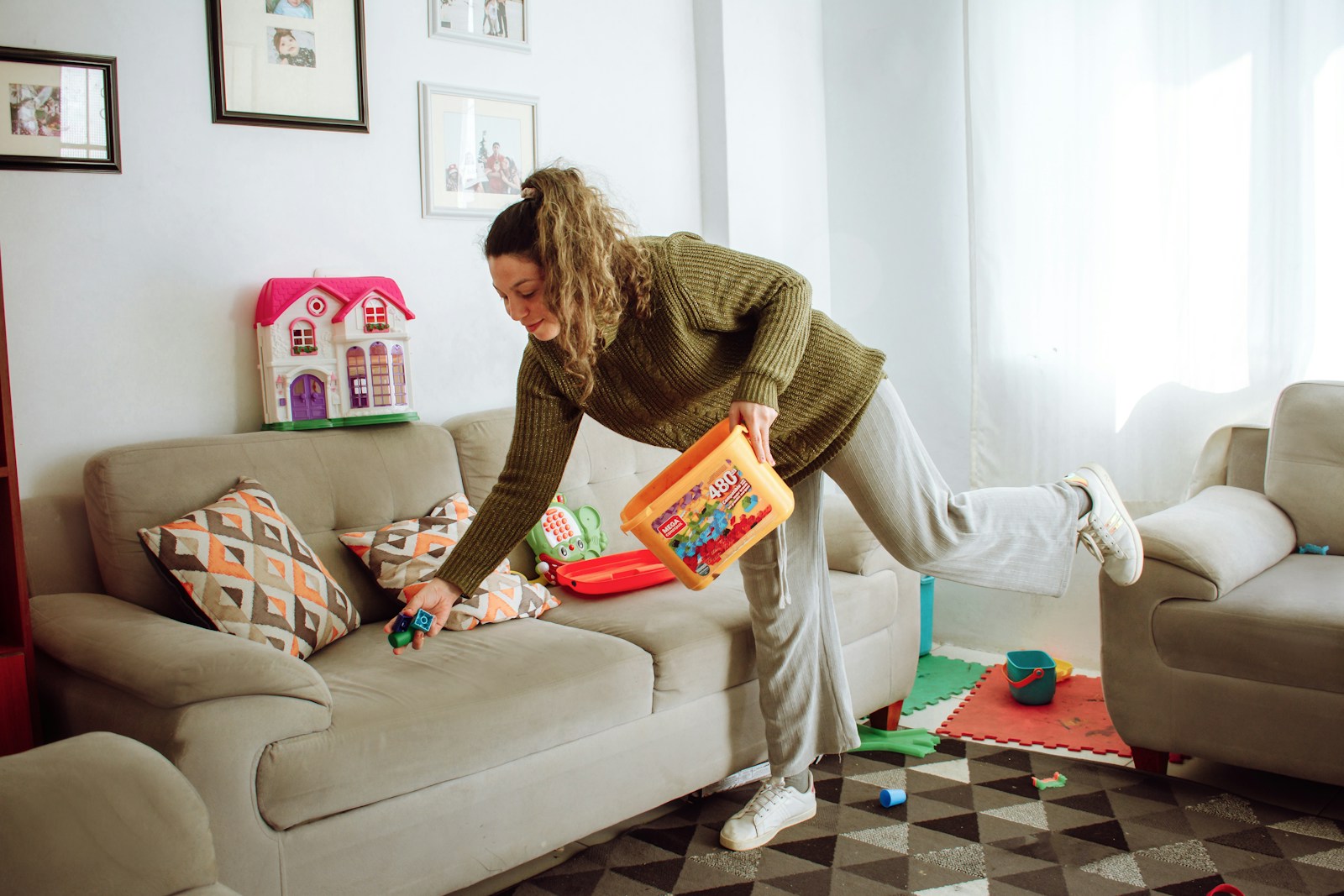
This post may contain affiliate links. As an Amazon Associate, I earn from qualifying purchases.
Scroll TikTok long enough, and you will hit a video that would have looked strange five years ago: someone bragging about a nearly empty lotion bottle, or a mom holding up a backpack from three school years ago and calling it still good. That is underconsumption core, and it has quietly become one of the biggest parenting money trends of 2026. Here is what the trend actually means, why toy prices are pushing more families toward it this year, and how to try it without your kids feeling like they are missing out.
What Underconsumption Core Parenting Actually Means
Underconsumption core parenting is the opposite of a haul video. Instead of unboxing a cart full of new purchases, creators show themselves using up what they already own: a lotion bottle scraped clean, a toy bin with the same five toys from last year, a backpack with a patched strap instead of a replacement. The trend started on TikTok in the summer of 2024 as a reaction to years of haul culture and “get ready with me” shopping content, and it grew out of an earlier trend called de-influencing, where creators talked viewers out of buying viral products instead of into them.
For parents specifically, underconsumption core means resisting the pressure to buy the newest toy drop, the latest backpack trend, or a full seasonal wardrobe your kid will outgrow in four months. It is less about deprivation and more about deciding what your family actually needs before a sale or a scroll session decides for you.
Why This Trend Is Hitting Different In 2026
Underconsumption core parenting would probably be trending regardless, but tariffs on imported goods are giving it real financial weight this year. About 80 percent of toys sold in the United States are manufactured in China, according to the Toy Association, which makes the toy aisle one of the categories most exposed to this year’s tariff increases. One independent toy shop owner in Edmonds, Washington, told ConsumerAffairs her costs are up 30 to 50 percent this year alone, and Mattel has already told investors it is planning price increases to offset the added tariff costs on its own toy lines.
Yale University’s Budget Lab estimates 2025’s tariffs added roughly $4,900 in extra costs per household, arriving right as national holiday spending is projected to cross $1 trillion for the first time. Higher prices and record spending pressure hitting at the same time is exactly the environment where buying less stops being a nice idea and starts being a real budget strategy.
What Underconsumption Core Parenting Looks Like At Home
The trend plays out differently depending on your kids’ ages, but a few patterns show up across most families trying it.
| Category | Overconsumption Habit | Underconsumption Swap |
|---|---|---|
| Toys | Buying every new collectible drop | Rotating toys already in the bin |
| Clothes | A full new seasonal wardrobe | Buying room to grow, hand-me-downs first |
| School supplies | Replacing everything every August | Restocking only what actually ran out |
| Birthdays | A large haul of small gifts | One or two requested items |
| Storage and gear | Newest organizer or gadget | Using what already works |
Many families are already practicing a version of this without naming it. The same instinct is driving this year’s Throwback Kid toy trend, where parents are raiding thrift stores and old toy boxes for classics like a Slinky or a yo-yo instead of buying something new. Underconsumption core just extends that same logic past toys and into the rest of the household.
How To Try It Without Your Kids Feeling Deprived
Start with an inventory before you buy, not after. Before adding anything to a cart, check what your kid already owns that solves the same problem, whether that is a costume, a backpack, or a birthday gift for a friend. This single habit prevents most duplicate purchases before they happen.
Reframe the trend as a game your kids can play with you, not a rule handed down from above. Kids respond better to “let’s see how creative we can get with what we already have” than to “we are not buying that.” Letting an older kid help sort a toy bin into keep, donate, and rotate piles gives them ownership over the process instead of making it feel like a punishment.
Save real purchases for items tariffs hit hardest. If a toy or gadget is heavily imported and price spikes are likely, buying secondhand or choosing a domestically made alternative protects your budget more than skipping the purchase category altogether. A rotating toy shelf, where half your kid’s toys stay packed away and swap in every few weeks, also makes existing toys feel new again without a trip to the store.
Frequently Asked Questions
What is underconsumption core parenting? It is a social media trend, mainly on TikTok, where creators show themselves using up what they already own and avoiding new purchases, instead of posting hauls of new items. It grew out of the earlier de-influencing trend and started gaining traction in 2024.
Is underconsumption core just a nicer word for not having enough money? Not exactly. The trend is popular with families across income levels, though rising prices from 2026 tariffs have made the money-saving side of it more relevant for a wider range of households this year.
How much have toy prices actually gone up in 2026? Reported increases vary by retailer, with one independent toy shop reporting costs up 30 to 50 percent this year. Large manufacturers including Mattel have also signaled upcoming price increases tied to tariff costs.
Will buying less make my kid feel deprived compared to their friends? Most parents find the opposite happens once a kid is included in the process, such as picking which toys to rotate back in or helping choose a secondhand find. Kids tend to notice a parent’s money stress more than a smaller toy collection.
What is the easiest way to start underconsumption core parenting? Begin with one category, like toys or clothes, and do a full inventory before your next planned purchase in that category. Seeing what you already have removes most of the guesswork about what you actually need to buy.
Final Thoughts
Underconsumption core parenting is not about telling your kids no more often. It is about checking what you already have before tariffs, sales, and social media convince you that you need more. With toy prices climbing and holiday spending set to hit a record high in 2026, a full toy bin or a backpack from last year is not a compromise. It is the trend.
Photo by noor vasquez photo: Unsplash


 JayDee Vykoukal
 Mercy Kambura

 Aqsa Salam