
Friendsgiving With Kids: A Stress-Free Hosting Guide
 Farah
This post may contain affiliate links. As an Amazon Associate, I earn from qualifying purchases.
Your group chat is already buzzing about Friendsgiving. This year, someone asked a new question: can the kids come too? More friend groups now mix Friendsgiving with real family time. That means toddlers at the table and diaper bags by the door. It is a shift worth getting right.
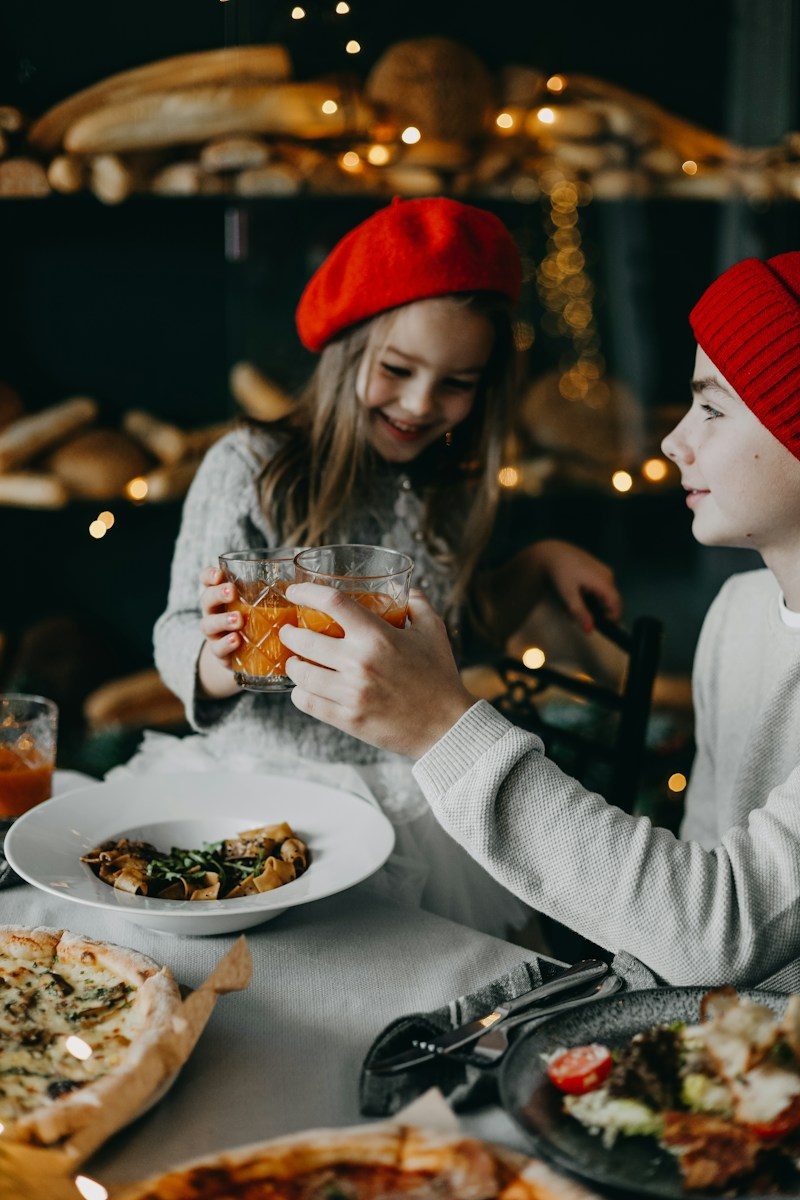
Friendsgiving with kids works best with a plan. Build around nap schedules, fussy eaters, and shorter attention spans for long dinners. Your children get to see what chosen family looks like. You also get the friend time you have been craving since summer.
Why Friendsgiving With Kids Is Having A Moment
Nearly half of young adults and millennials plan to celebrate Friendsgiving this year, according to a 2025 YPulse survey. That number keeps climbing as more of those young adults become parents themselves.
Many moms now lean on friends the same way earlier generations leaned on nearby extended family. This fits the village parenting trend, where parents build their own support network instead of waiting for one to appear. Friendsgiving is simply that village sitting down to eat together.
For a tired parent, this matters because it replaces one more obligation with something that recharges you. A good Friendsgiving with kids should feel lighter than a formal holiday dinner, not heavier.
1. Pick A Date Before The Holiday Rush
Choose a weekend at least a week before Thanksgiving Day. This keeps Friendsgiving separate from the stress of the main event and leaves room on families’ calendars. A Sunday afternoon slot works better than a Friday night for groups with young kids who need an early bedtime.
2. Make It A True Potluck
Assign dishes early so no single host has to cook the entire Thanksgiving spread. Split the list into mains, sides, kid-friendly options, and desserts. Ask each family to label allergens on their dish. Allergy etiquette matters even more in a mixed group of kids.
3. Build A Kids’ Table That Still Feels Special
Set up a lower table with its own tablecloth and simple centerpiece. Add kid-sized portions of the same food everyone else eats. Add crayons or a small coloring placemat instead of a full craft project. Kids feel included when their table mirrors the adult one, just smaller.
4. Keep One Activity, Not Five
Pick one low-effort activity, like a gratitude jar. Each kid drops in one thing they are thankful for. Skip elaborate games that require constant adult supervision. One simple activity keeps kids engaged without pulling parents away from their own conversation.
5. Plan A Menu That Works For Little Palates
Include at least two dishes you know most kids will eat without a fight, such as mashed potatoes or rolls. Save the more adventurous dishes for the adults. This small step prevents the dinnertime meltdown that can derail an otherwise relaxed afternoon.
6. Set A Realistic Time Limit
Plan for two to three hours instead of an open-ended evening. Toddlers and preschoolers do best with a clear start and end point. Tell guests the approximate end time in the invite. No one wants to feel awkward leaving when their kid hits a wall.
7. Loop In Gratitude Without Making It A Lesson
Keep any gratitude moment short and optional for younger kids who get shy on the spot. A simple “one good thing from this week” question works better than asking for a formal speech. The goal is connection, not a performance.
What To Try This Week
Start planning now so Friendsgiving with kids feels easy, not rushed.
- Pick your date and send invites this week.
- Build a shared list for potluck dishes and allergens.
- Confirm who is bringing high chairs or booster seats.
- Choose one activity and buy supplies early.
- Plan two kid-approved dishes.
- Set and share a realistic end time.
- Ask one friend to help you set up the kids’ table.
- Keep your own expectations small and flexible.
Final Thoughts
Friendsgiving with kids does not need to look like a magazine spread. It needs a few dishes, a lower table, and friends who feel like family. That’s enough for a good afternoon. Start small this year, and let the tradition grow with your kids.
Photo by Nataliia Hordiiuk: ShortPixel

 Mercy Kambura

 Aqsa Salam

 kellybryson

