
How to Childproof Your Home: A Room-By-Room Checklist
 Chelsy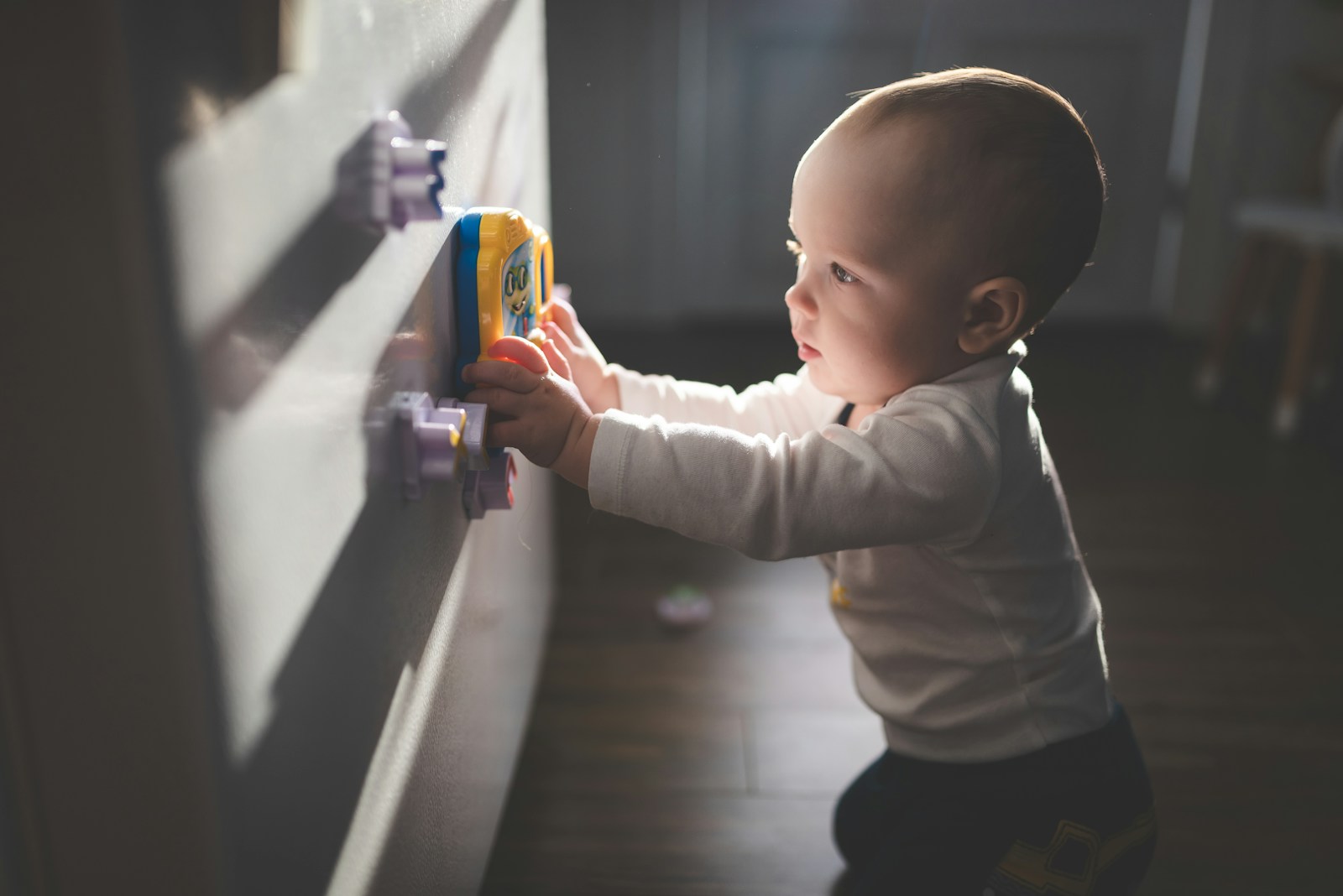
This post may contain affiliate links. As an Amazon Associate, I earn from qualifying purchases.
You finally sat down for two minutes, and now your baby is across the room with a phone charger in her mouth. It happens fast, and it happens in every room of the house, often at the exact moment you turn your back to grab a snack or answer the door. Childproofing is not about turning your home into a padded cell. It is about removing the handful of hazards in each room that cause most injuries, so you can let your baby explore without standing guard over every square foot.
This is the room-by-room plan you actually need, broken down by what matters most in each space and when to tackle it.
Most babies start moving between 6 and 10 months, but a child-friendly home matters earlier than that. Once your baby can roll, scoot, or pull up, the timeline to childproof shrinks fast, and waiting until they are mobile means playing catch-up on outlet covers and cabinet locks. A realistic goal is not a hazard-free house. It is a home where the biggest risks (falls, poisoning, choking, and drowning) are already addressed before your baby needs them to be. Getting this right early means more freedom to explore later and fewer trips to urgent care.
Living Room: Anchor Furniture and Manage Cords
Start in the living room because it usually has the heaviest furniture and the most floor time. The biggest risk here is tip-overs. Safety latches and locks on cabinets and drawers can help prevent children from gaining access to medicines, laundry detergent, household cleaners, matches, cigarette lighters, knives, and other sharp objects, and this applies just as much to media consoles and side tables as it does to the kitchen.
Bolt bookshelves, TVs, and dressers to the wall using anti-tip furniture straps, available at most hardware stores for under twenty dollars per unit. A toddler treats a bookshelf like a ladder, and a falling television is one of the most common causes of serious home injury for kids under three.
Add corner guards to coffee tables and any furniture at forehead height for a new walker. Tuck or shorten blind cords, since dangling cords pose a strangulation risk that catches many parents off guard, as they do not think of window treatments as a hazard. Finally, sweep the floor for small toys, coins, and remote control batteries using the toilet paper roll test: if it fits through the tube, it is small enough to choke on. This same logic applies to actual toys, not just household clutter, so if you have not already audited what is in your toy bins, our guide on toy safety hazards is worth a look before your baby starts grabbing everything within reach.
Kitchen: Lock It Up and Move It Back
The kitchen has the highest concentration of poisons, sharp objects, and burn risks in the house, which is why it deserves a dedicated pass rather than a quick glance.
Install latches on any low cabinet holding cleaning supplies, detergent pods, or anything corrosive. Detergent pods look like candy to a toddler and account for a significant share of pediatric poison control calls each year. Move knives, matches, and small appliances with cords to upper cabinets or latched drawers.
When cooking, turn pot handles inward, use back burners when possible, and consider using stove knob covers if your child can reach them. Unplug small appliances like toasters and coffee makers when not in use, and tuck cords out of reach so a curious toddler cannot pull a hot appliance down on themselves.
If your trash can has a foot pedal or an easy-open lid, switch to one with a child lock. Trash cans collect everything from broken glass to food packaging, and they are far more accessible to a crawler than most parents realize.
Bathroom: Water, Medicine, and the Toilet
Bathrooms combine three serious hazards in a small space: water, medication, and slippery surfaces. Give constant supervision and stay within reach when your baby is bathing. Children can drown in moments, and that single fact should guide every bath time decision you make, regardless of how shallow the water looks.
Store all medications, supplements, and cosmetics in a locked cabinet, ideally one mounted higher than your child can reach even while standing on a step stool. Add a toilet lock, since toddlers have drowned in toilets, and an open lid is an invitation to explore. Place a nonslip mat in the tub and on the bathroom floor, and add a soft cover over the bathtub faucet to protect against bumped heads.
Adjust your water heater to 120 degrees Fahrenheit or lower to prevent scalding, and always test bath water with your wrist before placing your baby in it. This approach works well for most family bathrooms. For homes with a walk-in shower instead of a tub, the same medicine cabinet and toilet lock rules still apply, even though bath-specific risks shift.
Nursery and Bedrooms: Cribs, Cords, and Climbing
The nursery feels like the safest room in the house, which is exactly why it is easy to overlook. The crib itself should follow current safe sleep guidance: a firm, flat mattress, a fitted sheet, and nothing else inside, no pillows, blankets, bumpers, or stuffed animals for sleep.
Once your baby starts pulling up, lower the crib mattress to its lowest setting and remove any mobiles, decor, or cords hanging within reach of the crib rail. Anchor dressers and bookshelves the same way you did in the living room, since bedrooms see just as many climbing-related tip-overs.
Install cordless blinds or use cord cleats to keep window cords up and away from cribs and changing tables. If the room has a window your child could reach once climbing onto furniture, add a window guard or a stop that limits how far it opens, since screens alone do not prevent falls.
How to Childproof Stairs, Doors, and Whole-Home Hazards
A few hazards do not belong to a single room because they span multiple rooms or apply to the whole house.
Install a hardware-mounted gate at the top of every staircase and, if needed, a pressure-mounted gate at the bottom. Top-of-stairs gates should always be hardware-mounted, since a fall through a pressure gate at the top of a staircase is far more dangerous than at the bottom. Cover unused electrical outlets throughout the house, and use sliding plate covers on outlets behind furniture that get used occasionally. These whole-home risks often get missed because they span multiple rooms, which is exactly why a dedicated pass for stairs, doors, and outlets matters as much as any single room on this list.
Add doorknob covers to rooms you want off limits, like a home office or laundry room, and finger-pinch guards to doors that get slammed often. If you have a fireplace, gate it off and use a hearth cushion on any exposed edges.
For families with a pool, hot tub, or pond nearby, a self-latching pool gate is a separate, serious investment that should be made before, not after, your child starts walking. According to the Consumer Product Safety Commission, drowning remains one of the leading causes of unintentional death for young children, and a fence with a self-closing, self-latching gate is one of the most effective ways to prevent it.
Try This Week
- Bolt the heaviest piece of furniture in your living room to the wall first
- Move all cleaning supplies and medications to a locked, high cabinet
- Run the toilet paper roll test on every loose item within crawling reach
- Install a hardware-mounted gate at the top of your stairs
- Cover every accessible outlet on the main floor
- Adjust your water heater to 120 degrees Fahrenheit or lower
- Add a toilet lock if your child is mobile or about to be
- Lower the crib mattress if your baby is pulling up
- Turn pot handles inward, starting with tonight’s dinner
- Add corner guards to the two sharpest furniture edges in your home
- Program Poison Control into your phone: (800) 222-1222
- Get down on your hands and knees in each room to see it from your baby’s view
Final Thoughts
You will never catch every hazard on the first pass, and that is normal, not a failure. Childproofing is an ongoing process that shifts as your baby learns to crawl, climb, and reach higher each month. Start with the highest-stakes rooms (kitchen, bathroom, and stairs) and work outward from there. A child-friendly home, not a perfectly hazard-free one, is the realistic and achievable goal.
Photo by Stephen Andrews: Unsplash

 Farah
Farah

 JayDee Vykoukal
 Kate Shaw
 Elaine Wilson