Fire Prevention Week 2026: Lithium-Ion Battery Safety Tips Every Family Needs
 Farah
Farah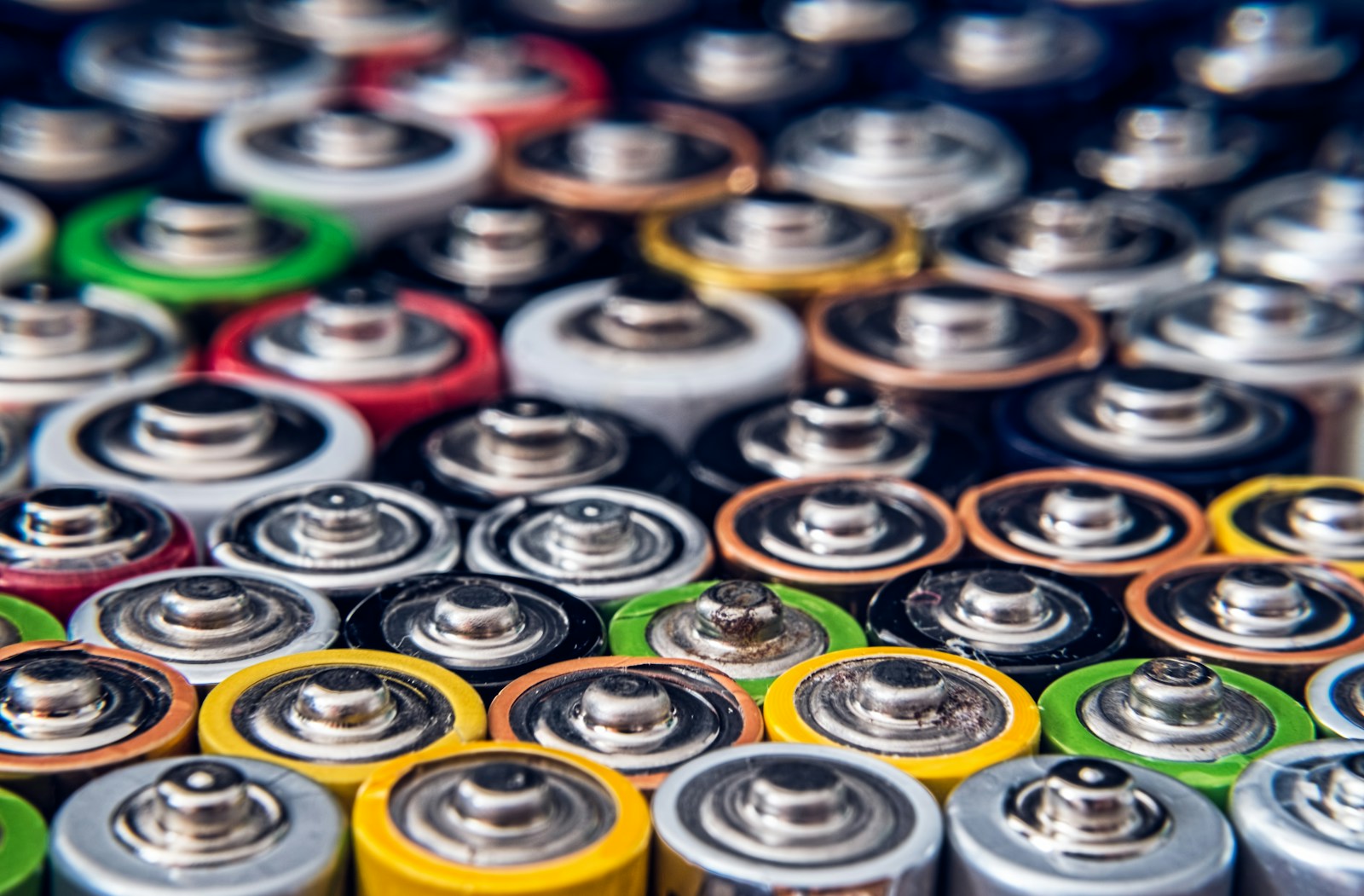
This post may contain affiliate links. As an Amazon Associate, I earn from qualifying purchases.
Fire Prevention Week 2026 runs October 4 through October 10, and this year the National Fire Protection Association picked a theme that lands directly in the middle of family life: “Charge Into Fire Safety: Safe Charging Is a Superpower.” The focus is lithium-ion batteries, the power source tucked inside nearly every device your kids touch each day. Tablets, gaming controllers, electric scooters, smartwatches, wireless earbuds, and light-up toys all run on the same battery technology linked to a growing number of home fires. None of this means you need to panic about every gadget charging in your house right now. It does mean a few small habit changes can meaningfully lower your family’s fire risk, and Fire Prevention Week 2026 is a natural prompt to make those changes stick.
Why Fire Prevention Week 2026 Is Different This Year
Fire Prevention Week has existed for over a century, always landing on the week containing October 9 to mark the anniversary of the Great Chicago Fire. Most years lean on general reminders about smoke alarms and escape routes. This year’s lithium-ion battery safety tips focus is the second year in a row the NFPA has centered its campaign on charging habits, and that repeat emphasis says something about how fast the risk has grown. Lithium-ion batteries power the devices that fill a typical kid’s room now, from handheld gaming systems to electric ride-on toys, and a damaged or poorly charged battery can ignite with very little warning. Fire officials have pointed to a sharp rise in incidents tied to e-bikes, hoverboards, and off-brand chargers over the past few years, which is exactly why this topic made the cut as a national campaign instead of a niche safety bulletin.
The Everyday Items In Your House That Pose A Charging Risk
Most parents picture e-bikes or hoverboards when they hear “lithium-ion battery fire,” but the risk list in a typical household is much longer. Tablets and phones charging overnight on a nightstand, wireless earbud cases, kids’ smartwatches, handheld gaming devices, remote control cars, light-up sneakers, and power banks tucked into backpacks all use the same battery chemistry. Electric scooters and ride-on toys carry larger batteries and higher risk, especially when charged with a replacement cord that was not made for that specific device. Even seemingly low-risk items add up when a family has several charging at once in a bedroom or playroom, which is often exactly where kids want their devices plugged in overnight.
Safe Charging Habits Every Family Should Adopt
A few consistent habits cut charging-related fire risk significantly without requiring a single new purchase. Charge devices on a hard, flat surface such as a kitchen counter or table rather than a bed, couch, or pile of blankets, since soft surfaces trap heat around the battery. Avoid charging devices overnight while everyone is asleep and unable to notice a problem, and unplug a device once it reaches a full charge instead of leaving it connected for hours afterward. Always use the charging cord and adapter that came with the device, since mismatched or off-brand chargers commonly cause overheating. Keep chargers away from doorways, hallways, and other exit paths, so a fire never blocks the way out. If a battery feels unusually hot, looks swollen or puffy, or gives off a strange smell while charging, stop using it immediately and set it aside in a safe, non-flammable spot rather than continuing to charge it.
Building A Family Fire Escape Plan Kids Will Remember
Charging habits lower the odds of a fire starting, but every family still needs a plan for what happens if one does. Walk through the house with your kids and identify two ways out of every room, since a hallway or doorway can become blocked. Pick a meeting spot outside, like a specific tree or the mailbox, where everyone gathers so you can account for each family member quickly. Teach kids to get low and crawl under smoke rather than standing up, and to feel a closed door with the back of their hand before opening it. Practice matters more than the plan itself. Just as a visual routine chart turns a chaotic morning into a sequence kids can follow on their own, walking through the escape plan step by step, out loud, a few times a year turns a scary idea into a routine kids already know. Test smoke alarms monthly and replace batteries at least once a year, since a working alarm is what gives your family the time to use the plan in the first place.
What To Do If A Battery Starts Smoking Or Swelling
A smoking, swelling, or hissing battery needs distance, not troubleshooting. Move everyone away from the device immediately and avoid touching it with bare hands, since a damaged lithium-ion battery can release heat and toxic fumes quickly. Do not attempt to submerge it in water or move it onto a flammable surface. If it is safe to do so without putting anyone at risk, move the device to a non-flammable spot away from the home, such as a driveway or concrete patio, and call 911 right away. A standard home fire extinguisher is not always effective on a lithium-ion battery fire, so evacuating and calling for professional help is safer than trying to put it out yourself. The National Fire Protection Association’s lithium-ion battery safety resources outline additional warning signs worth reviewing once, so the information is already familiar if you ever need it.
Frequently Asked Questions
What Is The Fire Prevention Week 2026 Theme? The 2026 theme is “Charge Into Fire Safety: Safe Charging Is a Superpower,” focused on reducing lithium-ion battery fires through safer charging habits at home.
Which Kids’ Items Are Most Likely To Have A Lithium-Ion Battery? Tablets, handheld gaming devices, smartwatches, wireless earbuds, light-up shoes, remote-controlled toys, electric scooters, and hoverboards commonly use lithium-ion batteries.
Is It Safe To Charge A Tablet Overnight? Charging overnight increases risk because no one is awake to notice an overheating device. A better habit is charging during the day on a hard surface where you can keep an eye on it.
How Often Should Smoke Alarms Be Tested? Test smoke alarms monthly, replace batteries at least once a year, and replace the entire unit about every ten years.
Final Thoughts
Fire Prevention Week 2026 is a useful nudge, not a reason to panic about the devices already charging in your house. A few small shifts- charging on a hard surface, skipping the overnight charge, watching for a swollen or overheating battery- cover most of the added risk lithium-ion batteries bring into a home full of kids’ gadgets. Pair those habits with a family escape plan everyone has actually practiced, and Fire Prevention Week becomes less of an awareness campaign and more of a checklist your family has already handled.
Photo by Roberto Sorin: Unsplash


 Warda
Warda
 JayDee Vykoukal
 Chelsy