
How Effective Is Saffron For ADHD
 Kate Shaw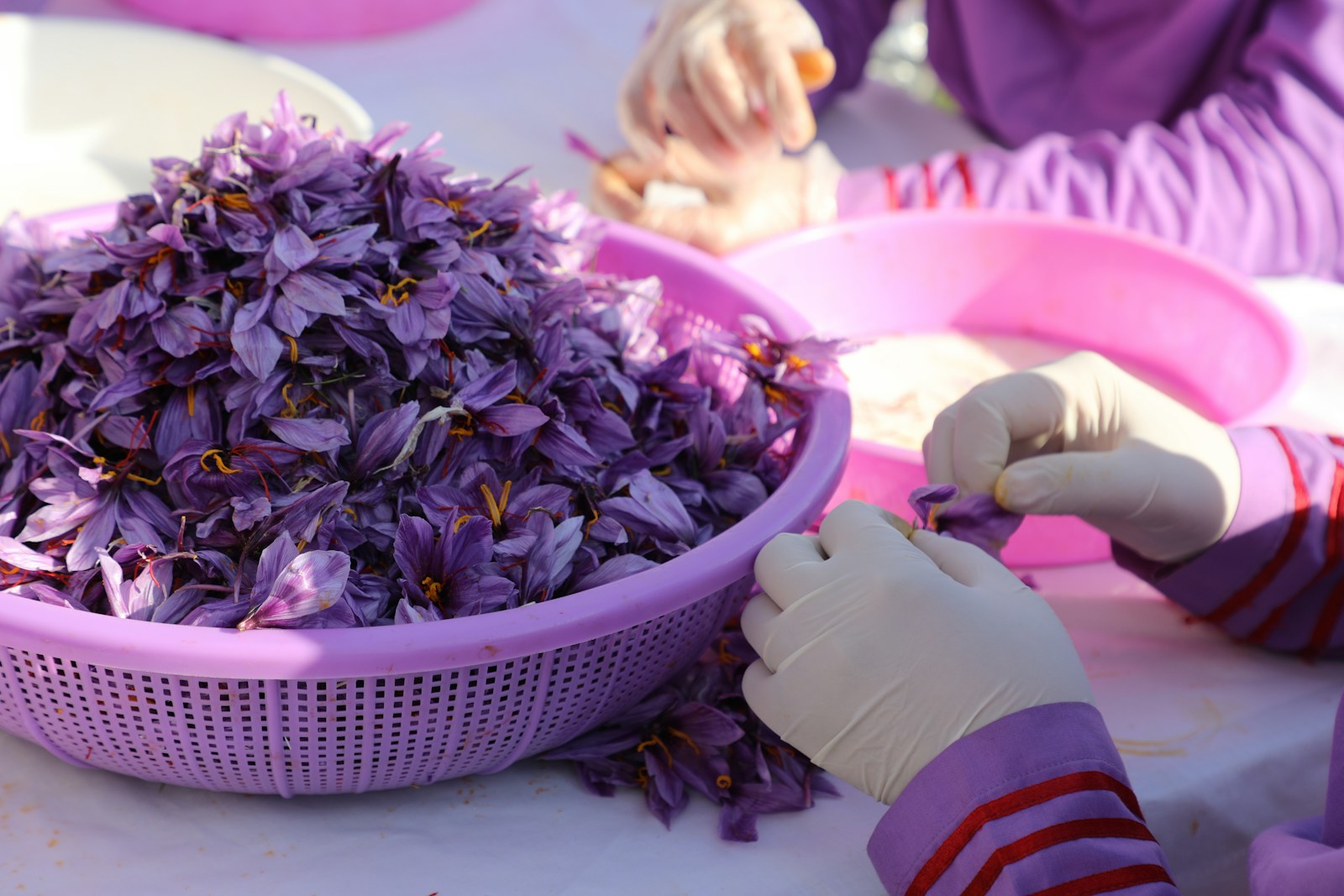
This post may contain affiliate links. As an Amazon Associate, I earn from qualifying purchases.
Saffron for ADHD is not a fringe idea. It is a supplement backed by a small but real body of clinical research, and it keeps coming up in parenting groups as moms look for something to try alongside, or sometimes instead of, stimulant medication. If your child was recently diagnosed, or if the current medication is not sitting well, you have probably already searched for some version of “natural ADHD treatment that actually works.” Saffron is one of the few that has actual trial data behind it, so it deserves a straight answer instead of a vague one.
Saffron is the dried stigma of the Crocus sativus flower, the same spice used in cooking, extracted and standardized into capsule form for research purposes. Researchers have studied it for ADHD because it appears to affect serotonin and dopamine activity in the brain, the same neurotransmitter systems that stimulant medications target.
What Does The Research Actually Show?
The most-cited study is a 2019 randomized, double-blind pilot trial that directly compared saffron with methylphenidate in 54 children and teenagers aged 6 to 17 years. Over six weeks, the two groups showed no statistically significant difference on standard parent and teacher ADHD rating scales, and the frequency of side effects was similar between saffron and methylphenidate. That is a notable result for a spice extract to produce against an established medication, and it is worth understanding through this 2019 clinical trial rather than through secondhand summaries.
A second line of research asks a different question: does saffron help when added on top of a stimulant a child is already taking? A 2022 trial of adults found that people taking methylphenidate plus roughly 30 milligrams of saffron daily improved more on a standard adult ADHD scale than those taking methylphenidate plus a placebo. A separate randomized trial in children and adolescents found a similar pattern, with methylphenidate plus saffron outperforming methylphenidate alone.
Here is the honest caveat, and it matters. A 2024 systematic review of this research found only four trials in total, covering about 118 participants combined. That is a real signal, not proof. Small pilot studies from a single research group, mostly conducted in Iran, are a reasonable starting point but not the same as the decades of large scale data behind stimulant medications. Treat saffron as a promising, evidence-supported option worth a conversation with your pediatrician, not as a settled substitute for standard treatment.
Saffron Versus Stimulant Medication At A Glance
| What You Are Weighing | Standard Stimulant Medication | Standardized Saffron Extract |
|---|---|---|
| Amount of research | Decades of large, multi-site trials | Four small trials, about 118 people total |
| How fast do you see change | Often within hours of the first dose | Six to eight weeks of consistent use |
| Side effects reported | Appetite suppression, sleep changes, possible irritability | Mild in trials, but pediatric safety data is limited |
| What to buy | Prescription, pharmacy dispensed | Standardized extract capsules, not kitchen saffron threads |
Why This Matters For Your Family Right Now
If your child is newly diagnosed, the decision in front of you often feels like an all or nothing choice between medication and doing nothing. It is not. Understanding where saffron actually sits in the evidence, real but limited, adjunctive but not yet a proven standalone treatment, gives you a middle path to discuss with a prescriber instead of guessing based on a forum post. Success here is not “saffron cures ADHD.” It is having an informed conversation about whether it is worth trying, at what dose, and under what supervision, so you are making a decision with your eyes open rather than out of desperation at 9pm after another hard homework session.
How Saffron Compares In Practice
Stimulants like methylphenidate and amphetamine based medications remain the most studied and most consistently effective ADHD treatments available, with decades of data on dosing, safety, and long-term outcomes. Saffron’s advantage in the research so far is a milder side effect profile in the trials conducted. Its disadvantage is scale. Four small trials cannot answer questions that hundreds of stimulant trials have already addressed, including long-term safety in growing children.
This approach works well for families who want to explore an adjunctive option alongside an existing stimulant regimen, ideally with a pediatrician monitoring the combination. For families whose child cannot tolerate stimulants at all, saffron used alone still has trial support, but with a much smaller evidence base backing that specific use. The core principle that any ADHD treatment decision should be made with your child’s prescriber rather than through trial and error at home applies regardless of which path you are considering.
Dosing And Safety Considerations
Trial doses have generally ranged from 20 to 30 milligrams per day, often adjusted by body weight, using standardized saffron extract capsules rather than culinary saffron threads. Reported side effects across the studies were mild and similar in frequency to those seen with methylphenidate, though saffron in high doses carries known risks, and safety data in children specifically remains limited compared to adult research.
Before starting saffron for your child, talk with your pediatrician about current medications, since saffron’s effect on serotonin means it should be carefully reviewed alongside any other medications that affect mood or focus. This is not a supplement to introduce quietly on your own timeline.
Common Mistakes To Watch For
One common misstep is treating “natural” as automatically synonymous with “safe” and skipping the conversation with a prescriber entirely. Another is expecting saffron to work as fast or as predictably as a stimulant, when the trial timelines involved six to eight weeks of consistent use before researchers saw measurable change. A third is buying culinary-grade saffron threads instead of the standardized extract capsules used in the research, which makes dosing essentially a guess.
If your family has already tried behavioral strategies and is looking for complementary support, our guide to building daily routines that support focus covers structural changes that work alongside any treatment approach, medication, or supplement.
A Simple Way To Track Changes
Instead of relying on memory when you go back to the pediatrician, jot down a few things each week: the dose given, how focused your child seemed on a scale of 1 to 5, any mood or irritability shifts you noticed, and any side effects at all. Doing this at the start, around week three, and again at week six gives your pediatrician something concrete to react to, instead of “I think it’s helping a little.”
Try This Week
- Write down your child’s current ADHD symptoms and severity to track any change
- Schedule a conversation with your pediatrician specifically about saffron before purchasing anything
- Ask whether saffron makes sense alone or as an add-on to current medication
- If approved, look for standardized saffron extract capsules, not culinary threads
- Confirm the milligram dose your pediatrician recommends based on your child’s weight
- Set a six-week mark on your calendar before evaluating whether it is working
- Keep a simple weekly log of focus, mood, and side effects during the trial period
- Continue any behavioral supports already in place rather than replacing them
- Ask about interactions if your child takes any other serotonin-affecting medication
- Revisit the plan with your pediatrician at the six-week mark using your log
- Avoid adjusting the dose yourself based on online forums
- Give yourself permission to stop if it is not showing a difference by eight weeks
Final Thoughts
You are not wrong to want an option beyond stimulants, and you are not wrong to be cautious about anything that calls itself natural without asking harder questions. Saffron for ADHD has real research behind it, more than most supplements marketed to parents of kids with ADHD, but it is still early evidence, not a settled answer. Bring the studies to your pediatrician, ask specifically about dosing and interactions, and give any trial the same patience you would give a new medication.
Photo by Mustafa: Unsplash

 Mercy Kambura
 Aqsa Salam

 Nikoletta Sipos
 JayDee Vykoukal
 Chelsy