
How to Travel With a Toddler on a Long Flight
 kellybryson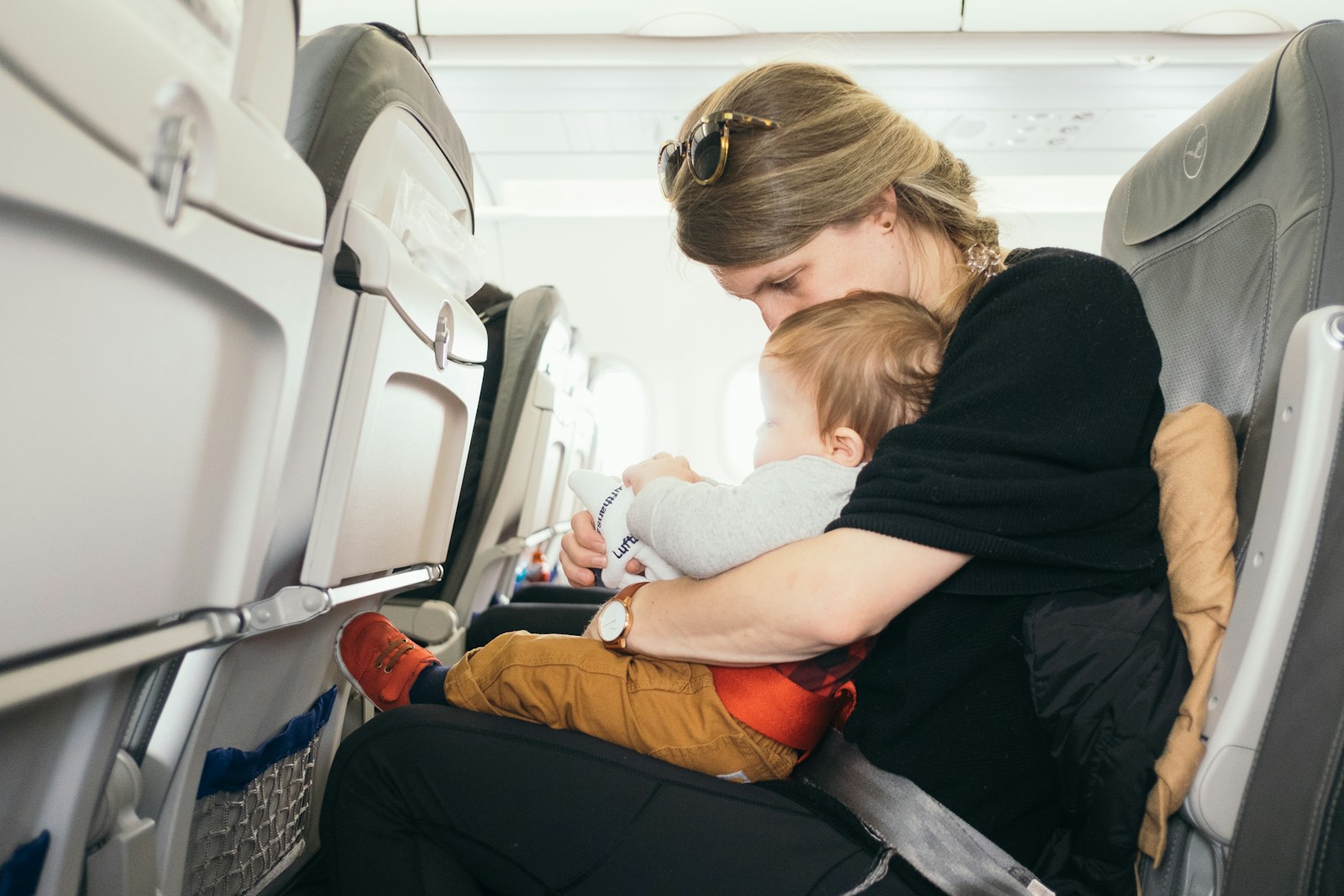
This post may contain affiliate links. As an Amazon Associate, I earn from qualifying purchases.
You booked the flight before you really thought it through, and now boarding is two weeks away, and your toddler cannot sit still through a single episode of their favorite show, let alone six hours in a middle seat. Here is how to travel with a toddler on a long flight without losing your mind somewhere over the ocean.
Long flights with a toddler are a different kind of hard than a quick domestic hop. There is more time to fill, more chances for a meltdown, and less room to simply wait it out. Success does not mean a silent, smiling toddler for eight hours. It means you land with your sanity intact, your child fed and reasonably rested, and no one in row 24 plotting your demise. Getting this right matters because a rough flight can color the first day or two of a trip, while a manageable one lets everyone actually enjoy where they landed.
1. Book With the Flight Itself in Mind
Seat selection and flight timing do more heavy lifting than almost anything else on this list.
A. Choose Times That Work With Your Toddler’s Body Clock
Overnight flights sound appealing because you imagine your toddler sleeping the whole way. For some toddlers, this works well. For others, an unfamiliar seat, engine noise, and cabin lights make sleep nearly impossible, and you end up with an overtired toddler and no nap to show for it. Consider your child’s typical sleep patterns. A toddler who naps reliably in the car or stroller is a better candidate for an overnight flight than one who only sleeps in their own crib.
B. Pick Seats Strategically
Bulkhead seats give extra floor space for play but often lack under seat storage and sometimes have a bassinet attachment point that limits legroom. A window seat can help contain a toddler and give them something to look at, while an aisle seat makes bathroom trips and pacing the aisle easier. If you are traveling with two adults, booking an aisle and a window in the same row, leaving the middle seat, sometimes results in that seat staying empty.
2. Pack a Carry On That Earns Its Space
Every item in your toddler bag should serve a real purpose, since overhead bin space is limited and you will be digging through it repeatedly.
A. Bring New, Small, and Low Mess Toys
Save one or two new toys or activity books specifically for the flight. Novelty buys more attention than a favorite toy from home. Favor low-mess options: sticker books, magnetic drawing boards, and quiet fidget toys hold up better in a cramped seat than anything with loose pieces or crayons.
B. Pack More Snacks Than You Think You Need
Bring snacks that are slow to eat, since a toddler working through a bag of crunchy cereal or dried fruit stays occupied longer than one who finishes a snack in thirty seconds. Include a few familiar favorites for comfort and one or two new snacks for novelty. If you are formula feeding or your toddler still uses bottles, our guide to packing for a toddler’s first big trip walks through TSA rules for liquids and formula in more detail.
3. Prepare Your Toddler Before Takeoff
A little advance conversation can reduce in-flight resistance significantly.
A. Talk Through What Will Happen
A few days before the flight, describe the experience in simple, concrete terms: you will sit in a seat with a buckle, there will be a loud noise when the plane takes off, and you will watch shows and eat snacks together. Toddlers handle new experiences better when they have some idea what is coming, even if they cannot fully picture it yet.
B. Practice Sitting for Stretches of Time
In the week before travel, practice having your toddler sit in a car seat, high chair, or stroller for fifteen to twenty minutes at a stretch while doing a quiet activity. This will not replicate a six-hour flight, but it builds a small amount of tolerance for sitting still that will help once you are in the air.
4. Handle Takeoff, Landing, and Ear Pressure
Ear pain during pressure changes is one of the most common causes of in-flight toddler distress, and it is largely preventable.
Offer a bottle, sippy cup, or snack during takeoff and landing so your toddler is swallowing during the pressure changes, which helps equalize their ears. According to the Federal Aviation Administration, swallowing, yawning, or chewing during ascent and descent can help relieve the discomfort caused by cabin pressure changes. If your toddler has a cold or ear infection, talk to your pediatrician before flying, since congestion can make ear pain worse during pressure changes.
5. Build a Loose In-Flight Schedule
Structure helps a toddler predict what is coming next, even on a flight with no clock they can read.
Break the flight into rough chunks: snack time, screen time, a walk down the aisle, quiet play, and a nap window. You do not need to follow this rigidly, but having a mental sequence ready means you are not scrambling for the next distraction every time attention fades. Rotate activities before your toddler is fully done with one, since switching a beat early tends to prevent the frustration that comes from an activity going on too long.
6. Plan for the Meltdown, Because One Is Likely
Even with the best prep, a long flight with a toddler will probably include at least one rough stretch.
Stay calm and keep your voice low, since a toddler in distress often escalates further if they sense your own stress rising. Move to the aisle or a galley area briefly if a flight attendant allows it, since a short change of scenery can reset a meltdown that a cramped seat cannot fix. Remember that other passengers were toddlers once too, and most understand more than the anxious parent in the moment assumes.
Try This Week
- Book seats with your toddler’s sleep habits in mind, not just price
- Buy one or two new small toys and set them aside for flight day only
- Pack snacks that take time to eat, not just fast handfuls
- Confirm TSA liquid rules for formula, milk, or juice before packing
- Talk to your toddler about the flight in simple terms starting a few days out
- Practice fifteen-minute stretches of quiet sitting at home
- Pack a full change of clothes for your toddler and one for yourself
- Bring a portable device loaded with offline shows in case wifi fails
- Plan snack, screen, and activity timing loosely for takeoff and landing
- Pack any comfort item, like a lovey or pacifier, in your carry-on, not checked luggage
- Confirm your pediatrician’s guidance if your toddler has a cold before flying
- Give yourself permission to let screen time rules slide for this one flight
Final Thoughts
A long flight with a toddler is rarely smooth from start to finish, and that is normal, not a sign you did something wrong. The goal is not a perfect, silent journey. It is landing with a toddler who is fed, reasonably rested, and still speaking to you. Pick two or three strategies from this list that fit your child and your flight, and let the rest go.
Photo by Paul Hanaoka: Unsplash

 JayDee Vykoukal
 Farah
Farah

 Dema JS
