
How to Introduce Your Dog to a New Baby Safely
 Chelsy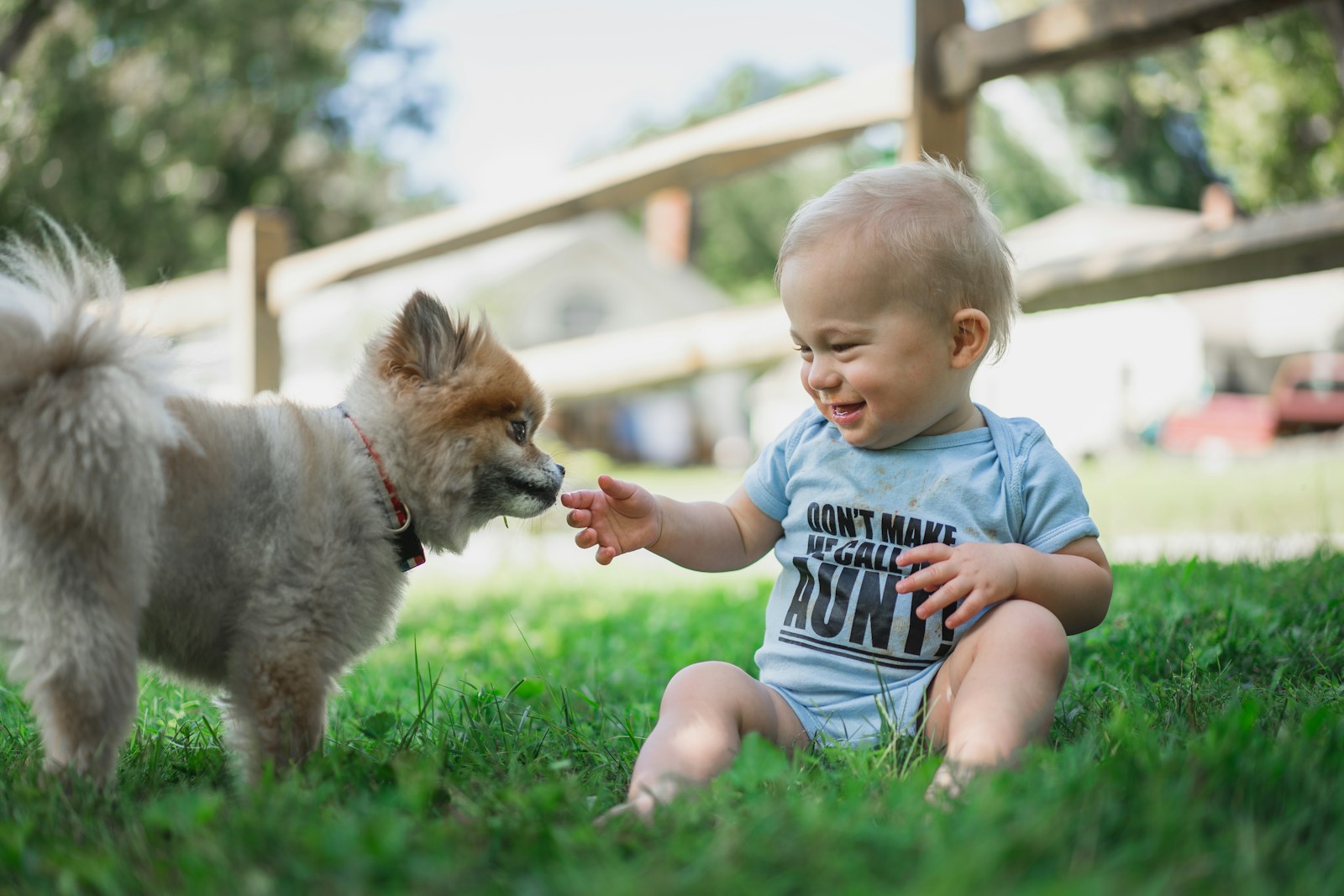
This post may contain affiliate links. As an Amazon Associate, I earn from qualifying purchases.
You’re picturing the moment you walk through the front door with your newborn, and your dog comes bounding over the way he always does. Except now there’s a car seat in your arms, a stitched-up belly, and a very real fear about how he’s going to react. Here’s how to introduce your dog to a new baby in a way that keeps everyone safe and sets your family up for a good long-term fit.
Most dogs adjust well to a new baby with the right preparation. The introduction itself matters, but so does everything you do in the weeks leading up to it. Getting this right protects your baby, keeps your dog from feeling pushed aside, and gives you one less thing to worry about during an already overwhelming stretch of early motherhood.
Why This Matters Before Baby Even Comes Home
Dogs read change through their senses long before you explain anything to them in words. New smells, a changed daily rhythm, a nursery that used to be off limits, and less attention from you all register as something shifting in their world. For a lot of families, the biggest risk isn’t dramatic aggression. It’s a dog who feels anxious, overstimulated, or displaced, which can show up as jumping, whining, or getting too close to the baby too fast.
Success here doesn’t mean your dog is instantly perfect around the baby. It means your dog stays calm in the same room as your baby, you know how to read early warning signs, and you have systems in place so a tired, distracted moment never turns into an unsupervised one. Getting the introduction right in the first days makes the following months noticeably easier.
1. Start The Groundwork Weeks Before Baby Arrives
A. Let Your Dog Get Used to Baby Sounds and Smells
Play recordings of a baby crying or fussing at a low volume while you go about your normal routine, and gradually increase the volume over a few weeks. The American Society for the Prevention of Cruelty to Animals recommends unwrapping new baby gear like car seats, swings, and toys ahead of time so your dog can investigate them at their own pace before they’re actually in use. This kind of gradual exposure is one of the simplest ways to lower the shock factor once the baby is home.
B. Adjust the Routine You Plan to Change
If your dog’s walk schedule, sleeping spot, or amount of one-on-one time is going to shift once the baby arrives, start that shift now instead of on day one. A dog who loses attention and freedom at the exact moment a strange new creature shows up is far more likely to associate the baby with something negative. Making the change gradually, over several weeks, breaks that link.
2. Prepare the Introduction Itself
A. Bring Home Something That Smells Like the Baby
Before you leave the hospital or birth center, have a partner or family member bring home a blanket or piece of clothing with the baby’s scent on it. Let your dog sniff it on the floor, away from any pressure to interact a certain way, so the smell becomes familiar before the baby physically arrives.
B. Give Your Dog Time to Settle First
When you walk in the door, resist the urge to introduce the baby immediately. Greet your dog first, let them get their excitement about you being home out of their system, and give them a few minutes to settle before the introduction happens. A dog who is still worked up from missing you is not in the best state to meet someone new calmly.
3. Introduce Your Dog
A. Divide the Roles
Have one adult manage the dog on a leash while another holds the baby. This isn’t about distrust. It’s about making sure someone is fully focused on reading your dog’s body language while someone else is fully focused on the baby. Keep your voice calm and your own body language relaxed, since dogs pick up on your stress more than your words.
B. Let the Dog Approach, Don’t Force It
Bring the baby to the dog rather than letting the dog rush toward the baby, and keep the first interaction short. A calm sniff and a few seconds of quiet observation is a genuine success. If your dog seems anxious, agitated, or overly aroused, calmly separate them and try again later rather than pushing through it.
4. Watch For the Signs That Matter
Lip licking, yawning outside of tiredness, turning the head away, a stiff body, or excessive panting are all signs your dog is uncomfortable, even if they never growl or snap. According to veterinary behavior guidance, the most consistent and repeated recommendation is that a baby and dog should never be left alone together, regardless of how trustworthy the dog has always been. This isn’t a reflection of your dog’s temperament. It’s a basic safety rule that protects both of them.
5. Build the Long-Term Relationship
The first meeting is only the beginning. Keep giving your dog dedicated attention, exercise, and mental stimulation so the baby doesn’t become the thing that took everything away. Involve your dog in low-pressure parts of your routine, like being nearby during a feeding or a diaper change, so the baby becomes part of normal life rather than a constant disruption. If you’re also working through changes to your household routine during this stretch, our guide on building a newborn sleep schedule in the first few weeks covers how to create consistency for the whole family, pets included.
But What If My Dog Has Never Been Around Kids?
This is common, and it doesn’t mean the introduction will go badly. It does mean you should slow the process down and lean harder on scent and sound exposure ahead of time. If your dog has any history of anxiety or reactivity, talk with your veterinarian or a certified trainer before the baby arrives so you have a specific plan rather than a general one.
But What If My Dog Seems Jealous?
Some dogs will act clingier, seek out more attention, or seem subdued for the first few weeks. This is usually adjustment, not a lasting behavior problem. Keeping their routine as stable as possible and giving them dedicated one-on-one time, even ten minutes a day, tends to smooth this out within a few weeks for most families.
Try This Week
- Play baby sound recordings at low volume during normal daily activities
- Unwrap one or two pieces of baby gear and let your dog investigate them
- Begin any routine changes you’ll need once baby arrives, gradually
- Ask a support person to bring home a baby scented blanket first
- Plan who will hold the leash and who will hold the baby at first meeting
- Keep the first introduction under a few minutes
- Watch for lip licking, yawning, or a stiff body as early stress signs
- Set up a plan for baby gates or separate spaces during unsupervised moments
- Schedule 10 minutes of dedicated dog time into your daily routine
- Call your vet ahead of time if your dog has any history of anxiety
- Keep your own body language calm during the first few interactions
- Never leave your baby and dog alone together, even for a moment
Final Thoughts
Most dogs settle into life with a new baby far better than the anxious version you’ve been picturing at 2am. The groundwork you do in the weeks before matters just as much as the introduction itself, and a slow, structured approach beats a rushed one every time. Start with the sounds and smells this week, keep your expectations realistic for the first meeting, and build the rest from there.
Photo by Zachary Kadolph: Unsplash

 Mercy Kambura
 JayDee Vykoukal
 Aqsa Salam
