
When Is It Safe to Take a Newborn Out in Public
 Farah
Farah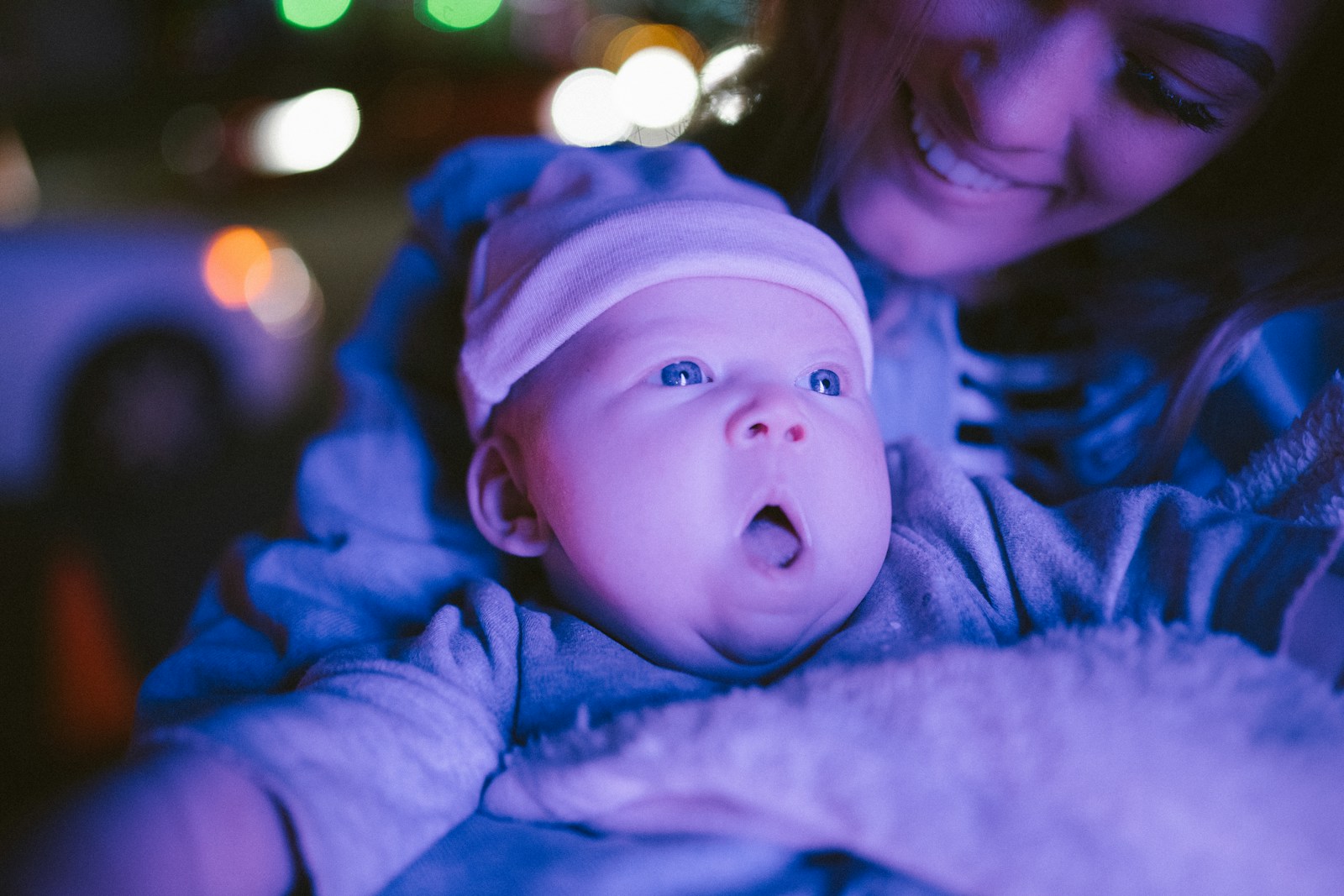
This post may contain affiliate links. As an Amazon Associate, I earn from qualifying purchases.
You’re staring at the front door with the car seat in one hand, and a diaper bag you’re pretty sure is missing something in the other, wondering if today is actually the day you’re allowed to leave the house with this tiny person. Every well-meaning relative has a different rule, and none of them seem to agree. Here’s what actually determines when it’s safe to take a newborn out in public, and how to make that first outing feel manageable instead of terrifying.
Taking a newborn out in public isn’t governed by one universal date on the calendar. It depends on your baby’s health, the season, where you’re going, and how exposed they’ll be to other people. Most pediatricians agree that a healthy, full-term newborn can usually go outside for fresh air within the first week or two. Crowded indoor spaces are a different question, especially during cold and flu season.
What The First Two Weeks Actually Look Like
A newborn’s immune system is still developing, and their tiny lungs and skin are more sensitive to germs, temperature swings, and irritants than most adults expect. During the first two to three weeks, your baby has very little natural immunity to common viruses. This is why doctors are cautious about crowded, enclosed spaces during this window.
This does not mean you’re confined to the house. A short walk around the block or time on a quiet porch is generally fine within the first days home, as long as your baby is healthy and the weather is reasonable. The bigger concern is close contact with large groups of people in enclosed spaces, such as restaurants, malls, or family gatherings. In those settings, you can’t control who’s coughing near your baby’s face.
How Long Should You Actually Wait
There’s no single answer that fits every family, but a few general patterns hold up across most pediatric guidance.
Fresh air and quiet outings (first 1 to 2 weeks): Walks, your own backyard, or a quick errand where your baby stays in the car seat are typically fine once you and your baby are both physically ready.
Small, controlled gatherings (2 to 4 weeks): Visiting a close family member’s home, especially if visitors wash their hands and anyone with symptoms stays away, is reasonable for many families during this stretch.
Crowded indoor spaces (often 6 to 8 weeks, sometimes longer): Many pediatricians recommend waiting until after your baby’s first round of vaccinations, typically around two months, before regularly bringing them into crowded indoor environments like grocery stores at peak hours, indoor play spaces, or large events.
These are general patterns, not strict rules. A baby born prematurely, with a heart or lung condition, or during a particularly active flu season may need a longer, more cautious timeline. A full-term, healthy baby during a mild flu season may be ready for more, sooner.
Factors That Change The Timeline
Several things shift how cautious you should be, and it’s worth thinking through your specific situation rather than copying what worked for your sister or your neighbor.
Your baby’s birth history matters. Premature babies, babies who spent time in the NICU, or babies with underlying health conditions typically need a longer, more protected window before regular public outings. Your pediatrician will usually flag this at your first newborn visit.
The season matters too. Flu season, RSV season, and periods of high community illness (roughly October through March in most of the United States) call for more caution than a quiet summer week. Your own recovery timeline often overlaps with these early decisions about when to leave the house, so it’s worth reading more about what the first six weeks of postpartum recovery actually look like while you’re weighing your baby’s schedule against your own.
Where you’re going matters as much as when. Outdoor spaces with fresh air and distance from strangers carry far less risk than an indoor space packed with people, regardless of your baby’s exact age in days.
Where It’s Safest For Your Newborn Out In Public
If you’re easing back into the world with a newborn, start with low-risk environments before working up to higher-exposure ones.
Outdoor spaces are typically the safest starting point. Fresh air doesn’t carry germs the way a crowded indoor room does, and a stroller walk gives your baby gentle stimulation without direct contact from strangers. A quiet outdoor coffee shop patio, a walk around your neighborhood, or a visit to a low traffic park all fall into this lower risk category.
Small, controlled visits come next. A grandparent’s living room with one or two healthy adults who’ve washed their hands carries far less risk than a crowded family barbecue. If you’re hosting visitors instead of going out, it’s reasonable to ask people to wash their hands before holding the baby and to reschedule if anyone is feeling under the weather, even mildly.
Save crowded, high-traffic spaces for last. Indoor malls, packed restaurants, and busy waiting rooms are the environments pediatricians are most cautious about in the early weeks, simply because you can’t control who’s nearby or what they’re carrying.
Signs Your Newborn Isn’t Ready For An Outing
Even once you’ve decided the timing feels right, pay attention to how your baby is actually doing that day. A fever of 100.4°F or higher in a newborn is always a reason to call your pediatrician rather than head out the door. Excessive fussiness, poor feeding, or unusual lethargy are also signs to stay home and check in with your doctor before your next planned outing.
Common Mistakes To Watch For
New parents often overcorrect in one direction or the other, and both come with real downsides. Staying inside for months out of fear can add to postpartum isolation, which is already a common struggle in the early weeks. On the other end, jumping straight into crowded events without easing in raises real risk for a baby whose immune system hasn’t caught up yet. That risk is highest during peak illness season.
Another common misstep is focusing only on the calendar date instead of the actual environment. A six-week-old at a quiet outdoor picnic is generally lower risk than a two-week-old at an indoor holiday party, even though the two-week-old is “younger” on paper.
Frequently Asked Questions
Can you take a newborn out in public in the first week? Yes, for fresh air and quiet outdoor spaces. A short walk, your own yard, or a drive with the baby secured in the car seat is generally fine within the first week for a healthy, full-term baby. The bigger caution is around crowded indoor spaces, not being outside.
Do I need to wait until after vaccinations to take my newborn out? Not for every outing. Many pediatricians recommend waiting until after the two-month vaccinations before regularly visiting crowded indoor spaces like malls or busy waiting rooms, but outdoor outings and small, controlled visits are usually fine well before then.
Is it safe to bring a newborn to a family gathering? Small, controlled gatherings with healthy adults who wash their hands are lower risk than large events. It’s reasonable to ask guests to skip holding the baby if they’re feeling even mildly under the weather, and to keep early gatherings smaller during flu and RSV season.
What temperature is too cold or too hot for a newborn outing? Most pediatricians suggest avoiding prolonged outdoor time in extreme heat or cold, generally below freezing or above 90°F, and dressing the baby in one more light layer than an adult would wear. Short outings in mild weather are typically fine at any age.
When should I cancel a planned outing? Cancel or reschedule if your newborn has a fever of 100.4°F or higher, seems unusually lethargic, is feeding poorly, or if anyone joining you is feeling sick. It’s always fine to call your pediatrician first if you’re unsure.
Does a premature baby need to wait longer before going out in public? Often, yes. Premature babies and babies with underlying health conditions typically need a longer, more protected window before regular public outings. Your pediatrician will usually give you a specific timeline based on your baby’s birth history at your first newborn visit.
Final Thoughts
There’s no single “safe” day printed on a calendar somewhere. What matters is your baby’s health, the season, and how much control you have over who’s nearby. Start small, watch how your baby responds, and let your comfort grow along with theirs. For families navigating high-risk seasons or complicated birth histories, the CDC’s guidance on protecting infants from respiratory illness offers a helpful, practical starting point beyond what fits in a single article.
Photo by Allison Heine: Unsplash

 Adam Chip
 JayDee Vykoukal


 kellybryson