
Youth Sports Specialization Is Costing Families More Than Money In 2026
 Chelsy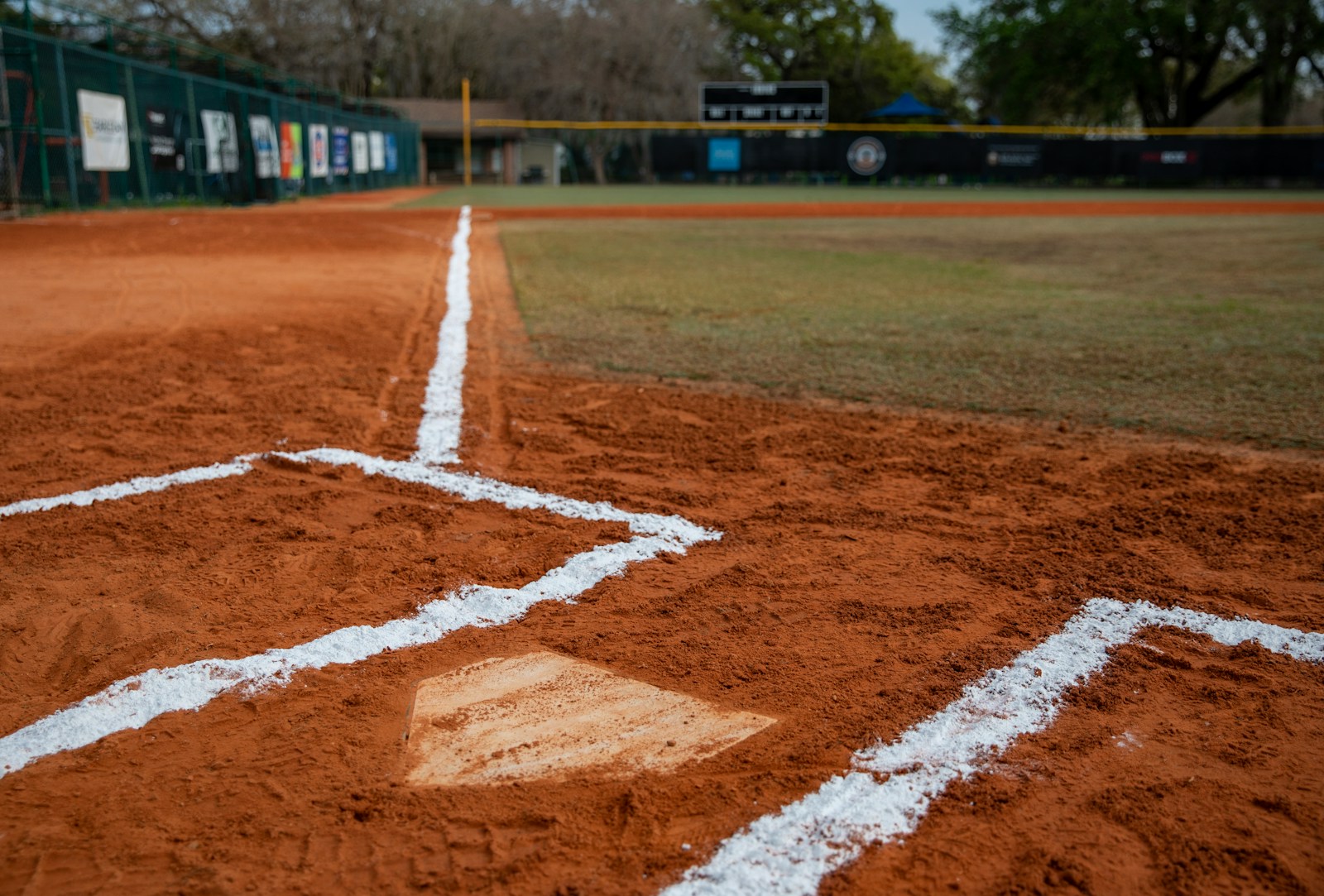
This post may contain affiliate links. As an Amazon Associate, I earn from qualifying purchases.
You are sitting in the bleachers for the third weekend in a row, calculating gas money to the next tournament in your head while your kid runs the same drills they ran on Tuesday, Thursday, and this morning before school. Somewhere between the club fees and the private coaching sessions, you start wondering if playing one sport year-round is actually helping your child or just draining your bank account and their energy. You are far from the only parent asking that question in 2026.
Why Youth Sports Specialization Is Trending In 2026
Early sport specialization means a child trains in a single sport nearly year-round, often before age 12, instead of playing multiple sports across different seasons. The pitch to parents sounds reasonable: more reps, more exposure to college scouts, a better shot at a roster spot. Travel leagues and private clubs have built entire business models around that promise, and social media adds its own pressure, with highlight reels of nine-year-olds running full training regimens collecting views in every parent group chat.
The financial stakes have climbed right alongside the pressure. Some families now spend on one sport like they are carrying a second mortgage, and the data backs up what your credit card statement already knows.
What Families Are Actually Spending On Youth Sports
The average family spent $1,016 on a child’s primary sport in 2024, a 46 percent jump from 2019, according to a national survey covered by Kiplinger. Add in equipment, camps, and extra training, and total spending per child climbs closer to $1,500 a year. That number keeps rising as kids get older, with families spending nearly $2,000 annually once a child hits the 15 to 18 age range.
Individual sports show the same climb. Youth baseball costs jumped from $660 to $1,113 between 2019 and 2024. Soccer rose from $537 to $910, and basketball climbed from $427 to $876. None of those totals include tournament travel, hotel stays, or missed work hours, and that is often where the real budget strain comes from.
| Sport | Average Cost 2019 | Average Cost 2024 |
|---|---|---|
| Baseball | $660 | $1,113 |
| Soccer | $537 | $910 |
| Basketball | $427 | $876 |
The Physical And Mental Toll Of Early Specialization
Money is only half the story. The American Academy of Pediatrics links year-round, single-sport training to a higher rate of overuse injuries. Repeating the same movements on the same muscles and joints without rest raises the risk of injury in a body that is still growing.
The mental toll shows up in the numbers too. Roughly 70 percent of youth athletes quit organized sports altogether by age 13, and kids who specialize early are more likely to walk away specifically because of burnout rather than a change in interest. Researchers tracking these athletes into adulthood estimate that as many as 35 percent experience overtraining syndrome by the time they reach their competitive adult years. A sport that started as the thing your kid loved most can turn into the thing they resent.
How Much Training Is Too Much
The American Academy of Pediatrics has published specific benchmarks worth checking your kid’s schedule against. Training loads should increase by no more than 10 to 20 percent per week, athletes need at least one full rest day away from organized sport activities every week, and kids should take two to three months off from a given sport each year, whether that break is continuous or broken into shorter stretches. Pediatricians also recommend limiting kids to one sport per day rather than stacking a practice and a game for two different teams into the same afternoon.
Compare that list to your kid’s actual weekly schedule. If practices run six or seven days a week with no annual break, the guidelines are being missed, not followed.
Signs Your Kid Might Be Heading Toward Burnout
A kid who used to beg to leave early for practice and now drags their feet at the front door is telling you something, even if they cannot fully name it themselves. Watch for a drop in performance that does not match their effort, new complaints about pain that were not there a season ago, and irritability or exhaustion that spills into homework and sleep. Kids who specialize early sometimes stop calling the sport fun and start describing it only as something they have to do, or something the coach expects.
Trust a change in mood over a change in stats. A kid who is still winning but has gone quiet, withdrawn, or resistant is often closer to burnout than one who is losing but still smiling in the car.
How To Rein In The Pressure Without Quitting The Sport They Love
You do not have to choose between full specialization and walking away from the sport entirely. Cross-training in a second activity during the off-season keeps different muscle groups engaged and gives a young athlete a mental reset from the pressure of their main sport. Building in an actual off-season, not just a lighter week, matches what pediatricians recommend and gives growing joints real recovery time.
This is also a budgeting decision as much as a parenting one. The same family budgeting habits that help control credit card debt apply directly to travel sports. Add up what a season actually costs- tournament fees, gas, hotels, and gear included- and you will often find room to scale back the schedule without your kid losing access to the sport. Ask your kid directly what they want out of the season too. Their answer is frequently more modest than the schedule you have already booked.
Frequently Asked Questions
What age do doctors recommend kids start specializing in one sport? Most pediatric sports medicine guidance discourages specializing before age 12, favoring multi sport play through the early teen years to build broader athletic skills and reduce repetitive stress on a single set of joints and muscles.
How much should a family expect to spend on youth sports each year? Recent data puts average annual spending on a child’s primary sport around $1,500 when you include equipment and extra training, with costs climbing toward $2,000 a year for teens in competitive programs.
Is it normal for kids to quit a sport they used to love? Yes, and it is common. About 70 percent of youth athletes stop playing organized sports by age 13, and early specialization is linked to higher rates of quitting due to burnout specifically, not just changing interests.
How many rest days does a young athlete actually need? Pediatric guidelines recommend at least one full day off from organized sports each week, plus two to three months off from a given sport over the course of a year to allow the body to recover.
Can my kid still get recruited if they play multiple sports? Yes. Many college coaches and scouts prefer multi-sport athletes, since cross-training tends to build better overall athleticism and carries a lower injury history than early single-sport specialization.
Final Thoughts
Loving youth sports and specializing in it before a growth spurt are two different things, even though club schedules often blur the line between them. Compare the costs and the guidelines side by side before you commit to next season’s practice schedule and travel calendar. Your kid’s love for the game will hold up a lot better with an off-season built in than it will after a year of burnout disguised as dedication.
Photo by Mick Haupt: Unsplash

 JayDee Vykoukal


