
Analog Parenting: Why Families Are Trading Screens For Landlines And Board Games In 2026
 Farah
Farah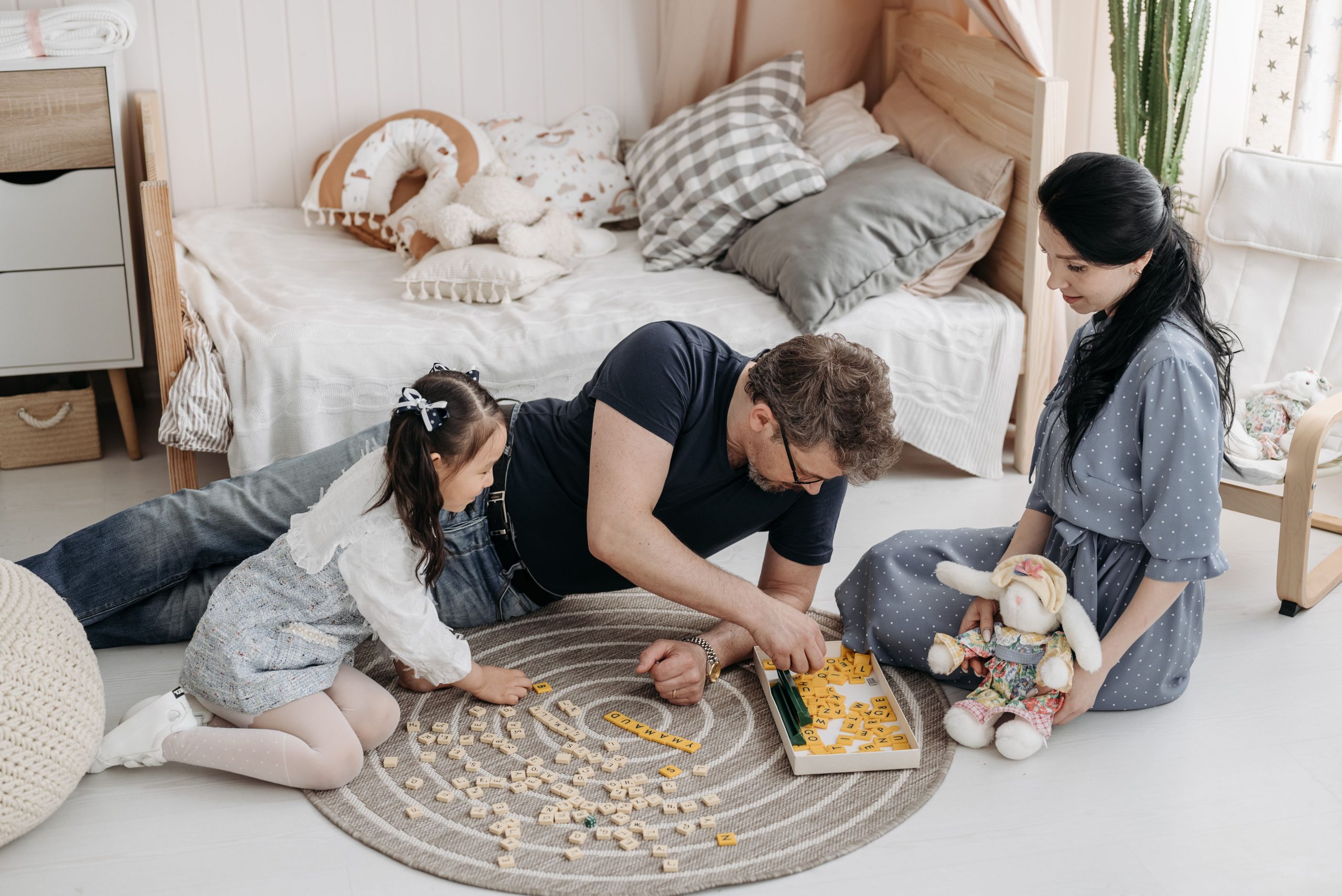
This post may contain affiliate links. As an Amazon Associate, I earn from qualifying purchases.
A landline is mounted on the kitchen wall again, and this time it isn’t left over from a grandparent’s house. A growing number of families are hanging them back up on purpose, right alongside a stack of board games and a VHS player pulled out of storage. What started as a nostalgic joke has turned into a real parenting movement, and in 2026 it has a name: analog parenting.
Analog parenting is the practice of swapping screen-based activities and smartphone dependence for tactile, offline alternativeså- think landlines instead of cell phones for kids, board games instead of apps, and paper planners instead of shared calendars pinging on a phone. It is not about rejecting technology altogether. It is about giving kids (and parents) more moments each day that do not run through a screen.
What Is Analog Parenting
Analog parenting means intentionally choosing offline, tactile tools over digital ones for everyday family life. That might mean a kid-friendly landline or a basic flip phone instead of a smartphone, a physical family calendar on the fridge instead of a shared app, or a Saturday night VHS movie instead of a streaming queue that never seems to end.
The idea builds on years of research about screen time and child development, but the difference in 2026 is how mainstream it has become. Families who once felt like outliers for limiting devices are now finding community with other parents doing the same thing, and retailers have taken notice. Dumb phone sales climbed sharply heading into 2026, with early January alone bringing a 68 percent jump in sales as more parents and teens looked for a middle ground between a smartphone and no phone at all.
Why Analog Parenting Is Trending In 2026
Several forces are pushing this trend at once. Parents are exhausted by managing screen time battles and worried about what constant digital stimulation is doing to their kids’ attention spans, sleep, and mood. Many families who tried a phone-free childhood approach with their oldest child found that the shift felt easier and more sustainable once analog alternatives filled the gap instead of just removing a device and leaving nothing in its place.
Generational nostalgia also plays a role. Roughly 70 percent of adults between 18 and 34 say they are actively drawn to heritage and retro products right now, and flip phones consistently rank near the top of that list alongside other throwback favorites. Media educator Nicole Dreiske has noted that parents do not need to eliminate screens entirely to see a benefit. They simply need to balance digital engagement with more tactile, real-life experiences, and that balance is exactly what analog parenting is trying to offer.
Psychologist and author Dr. Becky Kennedy has pointed to something else driving the appeal: boundaries. Digital experiences tend to feel endless, with autoplay and infinite scroll built into nearly everything, while analog activities have a natural stopping point. A board game ends. A VHS tape runs out. That built-in edge can help kids feel calmer and more grounded than an activity with no clear finish line.
What Going Analog Actually Looks Like At Home
Analog parenting rarely means an all-or-nothing overhaul, and most families who try it start small. A kid-friendly landline or a walkie-talkie-style device lets children stay in touch with friends and family without a full smartphone in their pocket. A basic flip phone works the same way for tweens and teens who need to reach a parent but do not need a constant stream of apps and notifications.
Entertainment shifts too. Board games, puzzles, and card games replace some app time, and a few families have brought back VHS players or DVD collections specifically because they force a choice instead of offering an endless menu. Paper planners and a wall calendar can stand in for shared digital calendars, giving kids a visual, hands on way to track their own schedule instead of checking a screen.
None of this requires throwing out every device in the house. Most families keep some technology for schoolwork, family video calls, or entertainment, and simply carve out specific times, places, or activities that stay analog on purpose.
Is Analog Parenting Right For Every Family
Analog parenting tends to work best for families who already feel overwhelmed by the sheer number of apps, notifications, and digital decisions competing for attention each day. For families with older kids who use devices for schoolwork or already have significant screen independence, a full analog reset may not be realistic, and that is normal.
The core principle- more offline time and fewer digital defaults- can scale up or down depending on a child’s age, a family’s schedule, and how much screen time already feels unavoidable. A single working parent juggling school pickups and a job may need digital tools that a two-parent household does not, and there is no version of analog parenting that requires guilt over using a shared calendar app to keep everyone on time.
How To Try Analog Parenting Without Overhauling Your Home
Starting small tends to work better than an ambitious overhaul that fizzles out within a week. Pick one area of daily life, mealtimes, mornings, or the hour before bed, and make it screen-free for the whole family, not just the kids. Pull out a board game or a deck of cards for one night a week instead of defaulting to a show. If a phone upgrade is coming up for a tween or teen, consider a basic phone or a flip phone before jumping straight to a full smartphone.
A physical calendar on the fridge or a paper planner for older kids can also make daily plans feel more concrete and less like one more thing buried in a phone. Small, visible changes like these tend to stick longer than a dramatic, sudden ban on all technology, and they give kids something tactile to replace the screen time instead of simply taking something away.
Frequently Asked Questions
What is analog parenting? Analog parenting is an approach that swaps some digital tools and screen-based activities for offline, tactile alternatives, like landlines, board games, and paper calendars, to reduce screen dependence for the whole family.
Does analog parenting mean no screens at all? No. Most families who practice analog parenting still use technology for schoolwork, video calls, or some entertainment. The goal is intentional balance, not total elimination.
Is analog parenting the same as a phone-free childhood? They overlap but are not identical. A phone-free childhood focuses specifically on delaying smartphones and social media for kids, while analog parenting is a broader shift toward tactile, offline tools and routines across the whole family.
What is an easy first step for a family that wants to try it? Start with one screen-free block each day, like the hour before bed, and replace it with a physical activity like a board game, a book, or a simple craft.
Are dumb phones and flip phones actually practical for kids? Many families find them a helpful middle step. They allow calls and texts for safety and coordination without the apps, social media, and constant notifications that come with a full smartphone.
Final Thoughts
Analog parenting is resonating in 2026 because it gives families something to reach for instead of just something to cut out. Swapping a smartphone for a flip phone, or a streaming queue for a board game night, will not fix every screen time struggle overnight, but it does give kids concrete, tactile alternatives that have a natural stopping point. According to guidance from the American Academy of Pediatrics, the goal isn’t zero screen time but a healthy balance that fits a family’s values, and analog parenting offers one practical way to get there. Pick one small swap this week and see how your family responds.
Photo by Pavel Danilyuk: Pexels

 kellybryson
 Mercy Kambura
 JayDee Vykoukal


 Aqsa Salam