
When Should Kids Get A Phone? The Phone Free Childhood Movement For 2026
 Chelsy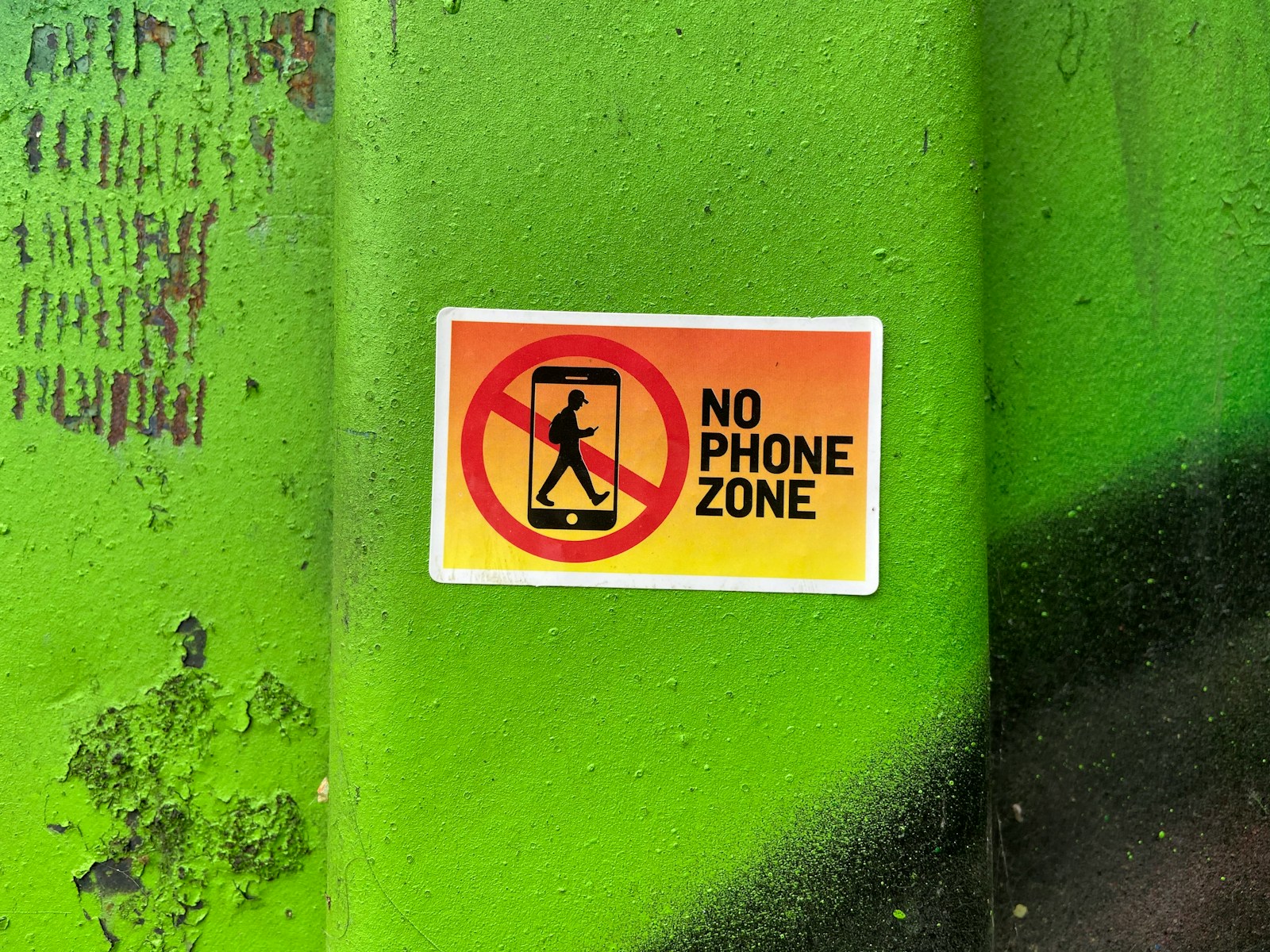
This post may contain affiliate links. As an Amazon Associate, I earn from qualifying purchases.
Somewhere between the first day of school and the first sleepover invite, the question comes up. Your kid says everyone else already has a phone, and you are left wondering if that is even true and if it matters. You are not the only parent stuck on this one. A growing number of families are pushing that timeline back, and the phone free childhood movement has become one of the most talked about parenting shifts of the year.
Why Phone Free Childhood Is Trending In 2026
The shift traces back largely to Jonathan Haidt’s book The Anxious Generation, which links the rise of smartphones and social media to a documented spike in teen mental health struggles. The CDC found that 57 percent of teen girls felt persistently sad or hopeless in 2021, up from 35 percent a decade earlier. That data struck a nerve with parents who were already uneasy about how early phones had crept into childhood, and it gave the hesitation a name and a body of evidence behind it.
The phone free childhood movement gained more momentum this year when Australia banned social media access for anyone under 16. Closer to home, schools have been making their own version of that call. At least 26 states have passed bell-to-bell cell phone bans, meaning phones stay off and out of sight for the entire school day, not just during class time.
What Age Are Kids Actually Getting Their First Phone
Despite the growing pushback, most kids are still getting phones earlier than parents might assume. A recent survey of middle schoolers found that roughly one in three received their first smartphone at age 10, with another 19 percent getting one at 11 and 12 percent at 12. Taken together, nearly two thirds of kids surveyed had a smartphone by age 10 or younger, and close to 80 percent already owned a personal device by middle school.
That gap between the trend and the reality is exactly why so many parents feel pressure either way. Waiting can feel isolating when a child is one of the last in their friend group without a phone, while handing one over early can feel like caving to a timeline set by marketing and peer comparison rather than an actual readiness milestone.
The Wait Until 8th Pledge And How It Works
One of the most visible tools helping parents hold the line is the Wait Until 8th pledge. Parents commit to not giving their child a smartphone until at least the end of 8th grade, and the pledge only activates once ten families from the same grade and school sign on too. That threshold matters, since it turns an individual decision into a shared one, which takes away a lot of the social pressure driving early phone requests in the first place.
Families who sign are not necessarily going phone free childhood entirely. The pledge allows basic phones and smartwatches with calling and texting features, so kids can still reach a parent without full internet access, app stores, or social media in their pocket. More than 155,000 parents have signed on so far, which gives families a real shot at finding other pledged households in their own school community.
School Phone Bans Are Reshaping The Decision
Even families who are ready to hand over a smartphone are running into a new variable this year. At least 26 states, including Florida, Texas, Ohio, and Virginia, have enacted bell-to-bell bans, which keep phones off and stored away for the full school day rather than just during instruction. Some districts pair that rule with phone lockers or magnetic pouches, while others simply ask kids to leave devices in a backpack or locker.
These policies do not settle the at home question of when to introduce a phone, but they do remove one common argument for getting one early, since a phone sitting untouched in a locker all day does little for safety or connection during school hours.
Signs Your Kid Might Be Ready For A Phone
Age is a starting point, not the whole answer. A kid who manages responsibilities without constant reminders, follows through on commitments, and can handle disappointment without a meltdown is usually further along than one who still needs help remembering homework. Watch for how your child already treats screens, since a kid who struggles to put down a tablet or game console without a fight is likely to have the same struggle with a phone in their pocket all day.
Independence matters too. Kids who walk to a friend’s house, ride the bus alone, or stay home for short stretches often have a real safety case for a way to reach a parent. That case gets weaker for a kid who is supervised most of the day and mainly wants a phone to keep up with group chats or games.
Smartphone Alternatives That Give Kids Independence Without The Risks
Plenty of families are landing somewhere in the middle instead of choosing between a full smartphone and nothing at all. Smartwatches and screen free digital cameras have become popular back to school requests precisely because they offer calling, texting, or a fun creative outlet without opening the door to social media, browsers, and app stores. These devices satisfy a kid’s desire for something of their own while keeping those same risks off the table for a few more years.
How To Set Rules If You Do Decide To Say Yes
If your family is ready to decide on a phone free childhood, treat it as a conversation rather than a handoff. Agree on where the phone charges at night, which apps are allowed at the start, and what happens if trust gets broken. Many parents find it easier to start with a basic phone or a limited smartphone plan, then add access gradually as their kid proves they can handle it responsibly.
Revisit the agreement after the first month. Kids adjust to having a phone faster than parents expect, and an early check-in catches problems before they become habits. Treat the rules as something you can loosen or tighten together, not a one-time conversation you never return to.
Frequently Asked Questions
What is the average age kids get their first phone? Recent survey data shows roughly a third of kids get their first smartphone around age 10, with most having one by the time they start middle school.
What is the Wait Until 8th pledge? It is a pledge where parents in the same grade and school agree together to delay smartphones until at least the end of 8th grade, removing much of the social pressure that comes with waiting alone.
Are basic phones or smartwatches a good compromise? Yes, for many families. These devices allow calling and texting for safety without giving kids access to social media, app stores, or the internet a full smartphone provides.
Do school phone bans affect when I should give my kid a phone at home? Not directly, but they do remove one common reason to get a phone early, since many schools now require devices to stay off and stored away for the entire school day.
How do I know if my kid is ready for a phone? Look at responsibility and independence rather than age alone. Kids who already manage routines well and have some unsupervised time tend to handle a first phone more successfully.
Final Thoughts
There is no single right age to hand a kid a phone, no matter what the group chat of other parents makes it feel like. What matters more is whether your child is ready for the responsibility that comes with it, and whether you have a plan for the rules once you say yes. Whether your family waits until 8th grade, starts with a smartwatch, or makes the jump earlier, the goal is the same. Give your kid a phone on your family’s timeline, not everyone else’s.
Photo by Magenta: Unsplash

 JayDee Vykoukal
 Victoria

 Sharon Buchalter

 Nikoletta Sipos