
Squishy Toys For Back To School 2026: What Parents Need To Know
 Farah
Farah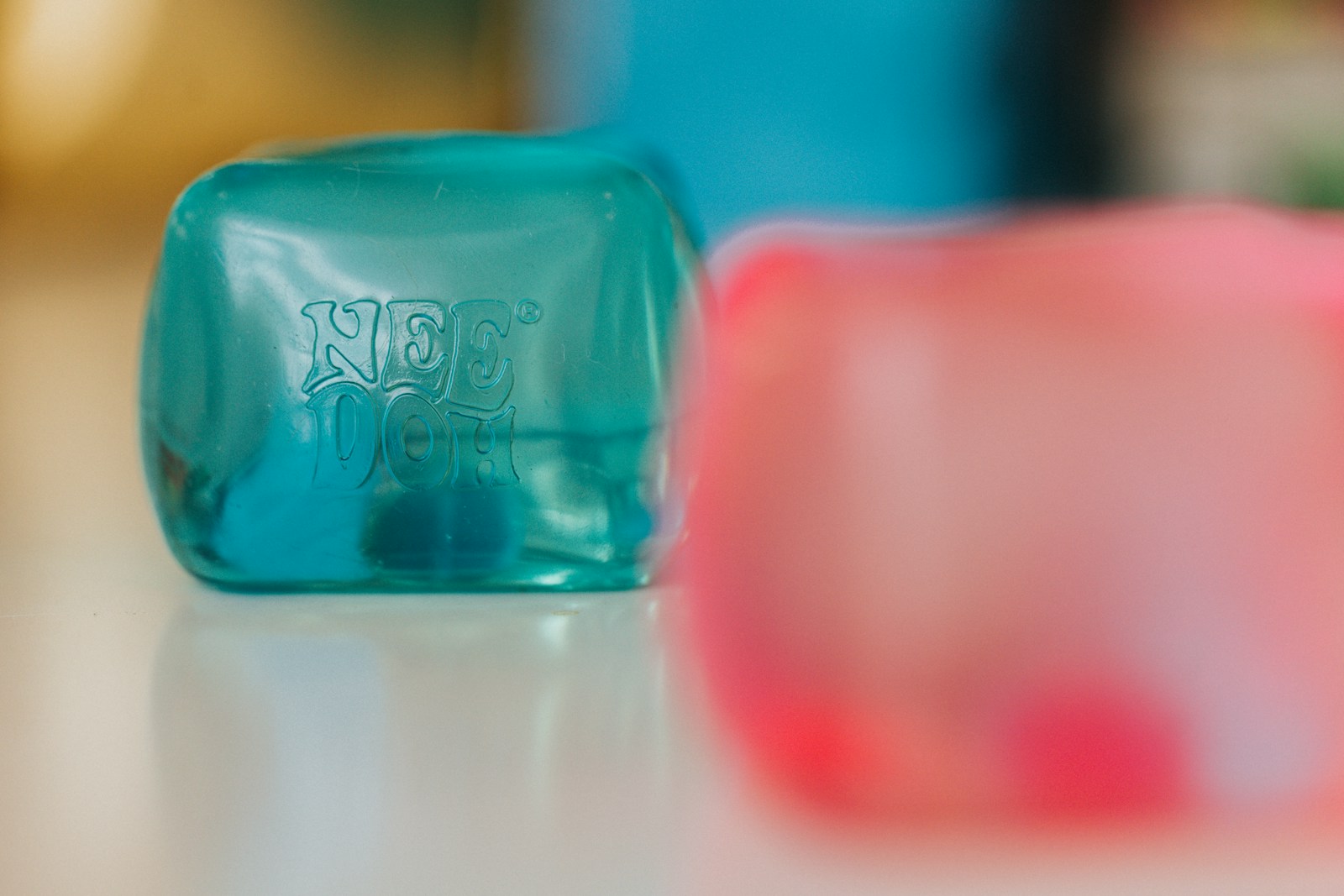
This post may contain affiliate links. As an Amazon Associate, I earn from qualifying purchases.
Your kid unzips a new pencil pouch and out rolls something soft, squeezable, and completely unrelated to schoolwork. That is a squishy toy, and it has become one of the defining back to school trends of 2026. Slime ruled wish lists for years. Squishy toys have quietly taken its place, showing up in backpacks, classroom prize bins, and teacher supply orders. Here is what is driving the trend and how to shop it without buying every version on the shelf.
Why Squishy Toys Are Everywhere This Back To School Season
Search interest in squishy toys jumped more than 1,700 percent between February and April this year, and fidget toy searches rose 91 percent over the same stretch. That surge lines up almost exactly with back to school shopping season, and retailers noticed. Many squishy toys sold this year use taba, a silicone based material that squeezes and stretches without leaving behind the sticky residue slime always did. Parents magazine has named taba squishies the toy that finally replaced slime at the top of kids’ wish lists.
Teachers are stocking up too, not just kids. Squishy toys now show up in classroom calm down corners, sensory bins, and prize boxes right alongside pencils and stickers. That dual demand from both students and teachers is a big reason this trend has more staying power than a typical toy fad. It landed high on this year’s list of what kids actually want for back to school.
What Makes Squishy Toys Different From Slime And Fidget Spinners
Squishy toys solve two problems earlier trends created. Slime made a mess on desks, carpets, and school clothes. Fidget spinners spun, clicked, and drew attention across a quiet classroom. Squishy toys squeeze quietly, stay contained in one hand, and clean up instantly since there is nothing to wipe off a desk.
Most squishy toys shaped like animals, food, or characters use that taba material or a soft foam core wrapped in a stretchy shell. Kids squeeze, stretch, and reshape them repeatedly, which is part of the appeal. The taba material stretches and slowly springs back instead of just deforming like a stress ball, and that different texture is part of why kids collect more than one.
Do Squishy Toys Actually Help Kids Focus?
Sellers market squishy toys as tools for concentration, and research backs the general idea that fidgeting supports focus for some kids. Researchers studying children with ADHD have found that certain kinds of physical movement, including fidgeting with an object, can improve attention and task performance rather than distract from it. A quiet, repetitive motion appears to give an overactive nervous system somewhere to put its extra energy, freeing attention for the task at hand.
That said, most of the specific claims about squishy toys themselves, as opposed to fidgeting in general, come from toy sellers rather than independent studies. A squishy toy is not a substitute for an evaluation or a plan from a teacher or pediatrician if your child struggles with attention. Think of it as one low cost tool worth trying, not a guaranteed fix.
Are Squishy Toys Allowed In The Classroom?
Rules vary from school to school, and this trend has history working against it. Fidget spinners were massively popular a few years ago, but many schools banned them outright because they became a distraction rather than a focus tool. Clicking, spinning, and trading spinners during class time diverted attention from lessons rather than supporting them.
Squishy toys are quieter and less mobile, which is part of why more teachers tolerate them. Even so, some classrooms restrict them to certain times of day, like independent work or testing, rather than allowing them all day. Others keep a classroom set on hand instead of letting kids bring their own, which cuts down on trading and comparing during instruction time. Ask your child’s teacher directly before assuming a squishy toy is welcome. A quick email at the start of the year avoids a confiscated toy and a disappointed kid.
Best Squishy Toys For Back To School 2026
| Squishy Type | Typical Price | Best For |
|---|---|---|
| Taba silicone squishy | $8 to $15 | Sensory seekers, mess-free feel |
| Foam animal or food squishy | $5 to $12 | Younger kids, collecting |
| Squishy keychain clip | $6 to $10 | Backpack or pencil case attachment |
| Classroom calm down squishy | $10 to $20 | Shared classroom sensory bins |
Prices climb with size and licensed characters. A basic foam squishy from a bulk multipack costs far less than a single licensed character version, and younger kids rarely notice the difference.
Budget Friendly Ways To Try The Trend
You do not need a full collection to keep your kid happy. Start with one squishy toy and see how much your child actually uses it before buying more. Multipacks from bulk retailers often work out to a fraction of the cost per toy compared to buying single licensed versions one at a time.
Dollar stores and bulk toy retailers now carry basic squishy toys during back to school season, which makes this one of the more affordable trends to join. Trading with a sibling or friend also stretches variety without stretching your budget. If your child’s classroom keeps a shared sensory bin, ask the teacher whether a donated multipack would help rather than sending in one for your child alone.
Frequently Asked Questions
Why are squishy toys so popular for back to school 2026? Squishy toys became the top toy trend this year because they offer mess free sensory play that slime could not, and search interest for them spiked more than 1,700 percent heading into back to school season.
Do squishy toys really help kids focus in class? Research on fidgeting suggests physical movement can support attention for some children, particularly those with ADHD. Most specific marketing claims about squishy toys come from toy sellers rather than independent research, so treat them as a tool worth trying rather than a proven fix.
Are squishy toys allowed in the classroom? It depends on the teacher and school. Some allow them freely, others restrict them to certain times of day, and some ban personal ones in favor of a shared classroom set. Always check with your child’s teacher first.
How is a squishy toy different from a fidget spinner? Squishy toys squeeze and stretch quietly in one hand, while fidget spinners spin and click, which makes them more disruptive. That difference is a big reason squishy toys have replaced spinners in many classrooms.
What is the cheapest way to try the squishy toy trend? Bulk multipacks from dollar stores or discount retailers cost far less per toy than single licensed character versions, and most kids are just as happy with a basic foam squishy.
Final Thoughts
Squishy toys earned their spot as this year’s biggest back to school toy trend by solving the problems slime and fidget spinners created. They skip the mess of slime and the noise of fidget spinners while still giving kids something to do with restless hands. Start with one, check your child’s classroom rules before buying more, and let your kid’s own preference guide how far you take the trend.
Photo by Nathan Dumlao: Unsplash
 kellybryson
 JayDee Vykoukal
 Ayodele Akenzua
 Kate Shaw

 Janine Segner