
Teal Pumpkin Project 2026: How To Host An Allergy-Friendly Halloween
 Kate Shaw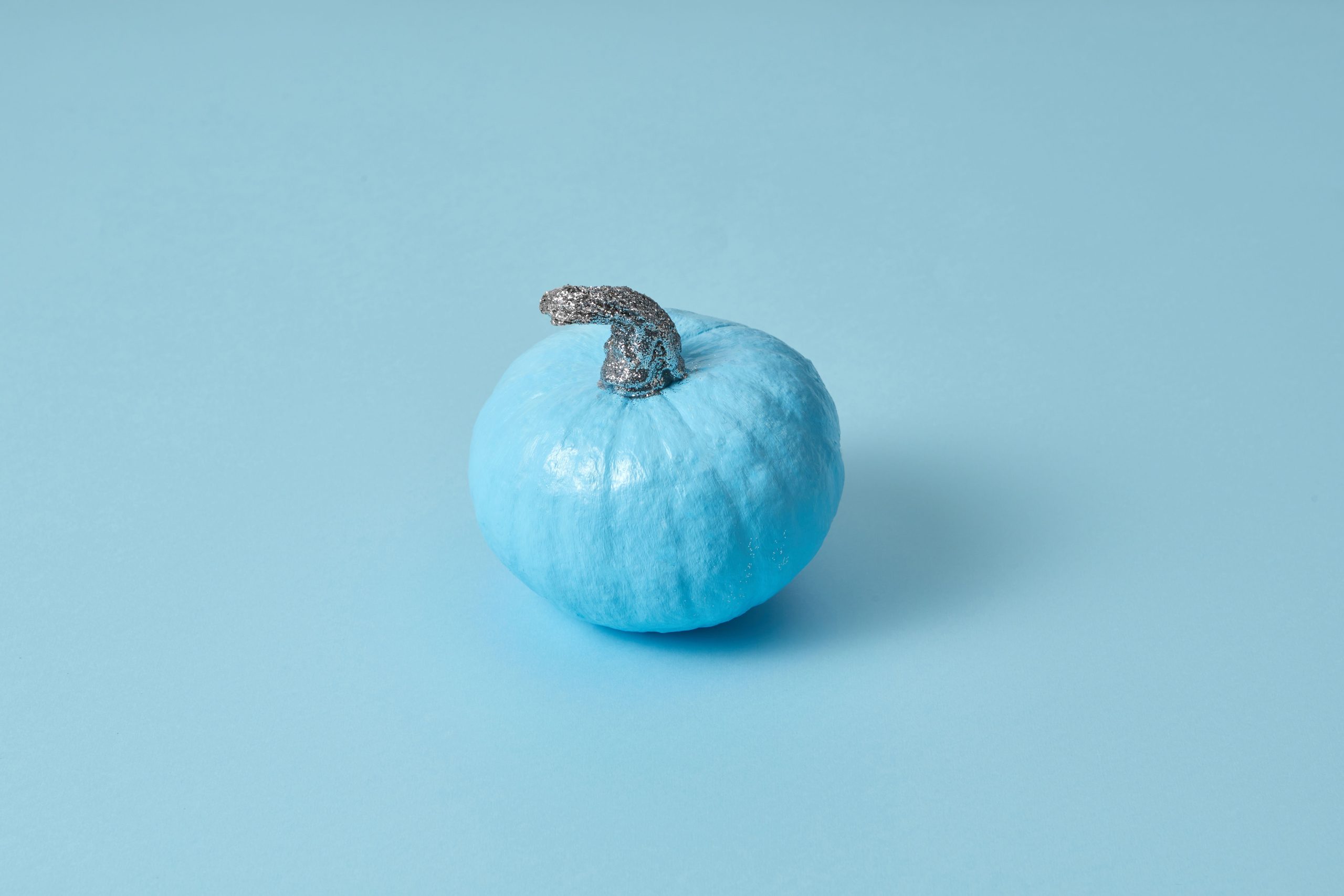
This post may contain affiliate links. As an Amazon Associate, I earn from qualifying purchases.
Your doorbell rings, and a tiny superhero holds out a bucket. What you cannot see is the epinephrine auto-injector in his mom’s bag, or the fact that half the candy in your bowl could send him to the emergency room. For kids with food allergies, Halloween is often the most stressful night of the year. A teal pumpkin on your porch changes that, and joining the Teal Pumpkin Project takes about ten minutes and a few dollars.
What Is The Teal Pumpkin Project
The Teal Pumpkin Project is a Halloween awareness campaign that encourages households to offer non-food treats alongside, or instead of, candy. A teal pumpkin on a doorstep tells families that a house has safe options for kids who cannot eat typical Halloween candy.
The idea started in 2014 with the Food Allergy Community of East Tennessee, and Food Allergy Research and Education (FARE) quickly adopted it and grew it into a nationwide movement. Twelve years later, teal pumpkins show up on porches across the country, and major retailers stock teal pumpkins and non-food treat packs every fall.
Teal was chosen because it represents food allergy awareness. A painted pumpkin, a plastic teal bucket, or even a printed sign taped to the door all count.
Why Teal Pumpkins Matter For So Many Kids
Food allergies are far more common than many parents realize. According to FARE, about one in 13 children in the United States has a food allergy, which works out to roughly two kids in every classroom. That adds up to around 6 million children nationwide.
Halloween candy contains the most common allergens, including peanuts, tree nuts, milk, eggs, soy, and wheat. Many fun-size candies are also made on different production lines than their full-size versions, so a candy that is safe in a regular bar may carry different ingredients or cross-contact warnings in the mini version. That makes reading labels at the door nearly impossible.
Teal pumpkins help more than just kids with allergies. FARE notes the project also includes children with celiac disease, diabetes, eosinophilic esophagitis (EoE), food protein-induced enterocolitis syndrome (FPIES), feeding tubes, and other dietary restrictions. For any of these families, one non-food treat means their child gets the same excited moment at the door as everyone else.
How To Join The Teal Pumpkin Project In 2026
Participating is simple, and you do not have to give up candy to do it. Most families hand out both, which keeps every trick-or-treater happy.
Start by picking up a stash of non-food treats, then place a teal pumpkin or a printed sign where trick-or-treaters can see it from the sidewalk. Keep candy and non-food items in two completely separate bowls, since a toy that has been sitting in a candy bowl can pick up allergen residue. When a child comes to the door, a quick “Would you like candy or a toy?” lets families choose without explaining their child’s medical history on your porch.
You can also add your home to FARE’s Teal Pumpkin Project map, which allergy families use to plan trick-or-treating routes before Halloween night. Adding your address takes about two minutes and gives local parents a real head start.
Best Non-Food Treats For Trick-Or-Treaters
The best non-food treats are cheap, lightweight, and fun enough that no kid feels shortchanged. Buying in bulk online or at dollar stores in early October keeps the cost to roughly 10 to 25 cents per treat.
Popular picks that kids actually get excited about include:
- Glow sticks, bracelets, and necklaces
- Halloween stickers, temporary tattoos, and stampers
- Mini bubbles, bouncy balls, and spinning tops
- Pencils, erasers, and small notepads
- Plastic spider rings, vampire fangs, and finger puppets
Be careful with a few popular picks. Some modeling doughs contain wheat, so look for a wheat-free version if you want to include clay. Choose latex-free items when you can, since latex allergies can cross-react with certain foods, and skip anything with small parts if you expect toddlers at your door.
Tips For Families Trick-Or-Treating With Food Allergies
If your own child has a food allergy, a little planning keeps Halloween fun instead of stressful. Check the Teal Pumpkin Project map a few days ahead and build your route around teal houses. Always bring your child’s epinephrine auto-injectors, and make sure any adult or older sibling walking with them knows how to use one.
Many allergy families use a candy swap at home. Kids trick-or-treat as usual, then trade any unsafe candy for safe treats, a small toy, or a special outing once they get home. Some families call it a visit from the “Switch Witch,” who swaps the candy overnight. Hold off on eating anything until you get home and can read labels under good light, and set aside any candy without an ingredient list.
Kids with allergies often also have sensory or anxiety concerns around busy nights. Our sensory-friendly Halloween tips cover quieter trick-or-treat routes, comfortable costumes, and what the teal and blue pumpkin signals mean so your whole family knows what to look for.
Spreading The Word In Your Neighborhood
The more teal pumpkins on a street, the easier Halloween gets for allergy families. Share the idea in your neighborhood Facebook group, Nextdoor, or school parent chat a couple of weeks before Halloween so neighbors have time to shop.
A teal pumpkin painting afternoon is another easy way to build excitement. Kids can paint small pumpkins teal, then drop them off with neighbors along with a note explaining what they mean. Classrooms, churches, libraries, and trunk-or-treat organizers can also offer a teal table so every child leaves with something they can enjoy.
Frequently Asked Questions
What does a teal pumpkin mean on Halloween? A teal pumpkin means the house offers non-food treats for trick-or-treaters with food allergies or other dietary restrictions.
Do I have to stop giving out candy to join the Teal Pumpkin Project? No. Most participating homes offer both candy and non-food treats. Just keep them in separate bowls to avoid cross-contact.
Where can I find teal pumpkin houses near me? FARE runs a free online Teal Pumpkin Project map where participating households list their addresses. Check it a few days before Halloween to plan your route.
What are good non-food Halloween treats? Glow sticks, stickers, temporary tattoos, bubbles, pencils, spider rings, and bouncy balls are all popular, inexpensive options that kids enjoy.
Is a teal pumpkin the same as a blue pumpkin? No. A teal pumpkin signals non-food treats for kids with allergies. A blue bucket is an informal signal some families use to show a child may be nonverbal.
Final Thoughts
The Teal Pumpkin Project works because it asks so little and gives so much. A few dollars in glow sticks and a painted pumpkin can mean a child with food allergies gets to trick-or-treat at your door just like their friends. Grab your non-food treats this week, add your home to the map, and let your neighbors know Halloween can be safe and fun for every kid on the block.
Photo by DS stories: Pexels

 Emma McHugh
 Mercy Kambura
 Chelsy
 JayDee Vykoukal
