
Red Ribbon Week 2026: How To Talk To Your Kids About Drugs
 Kate Shaw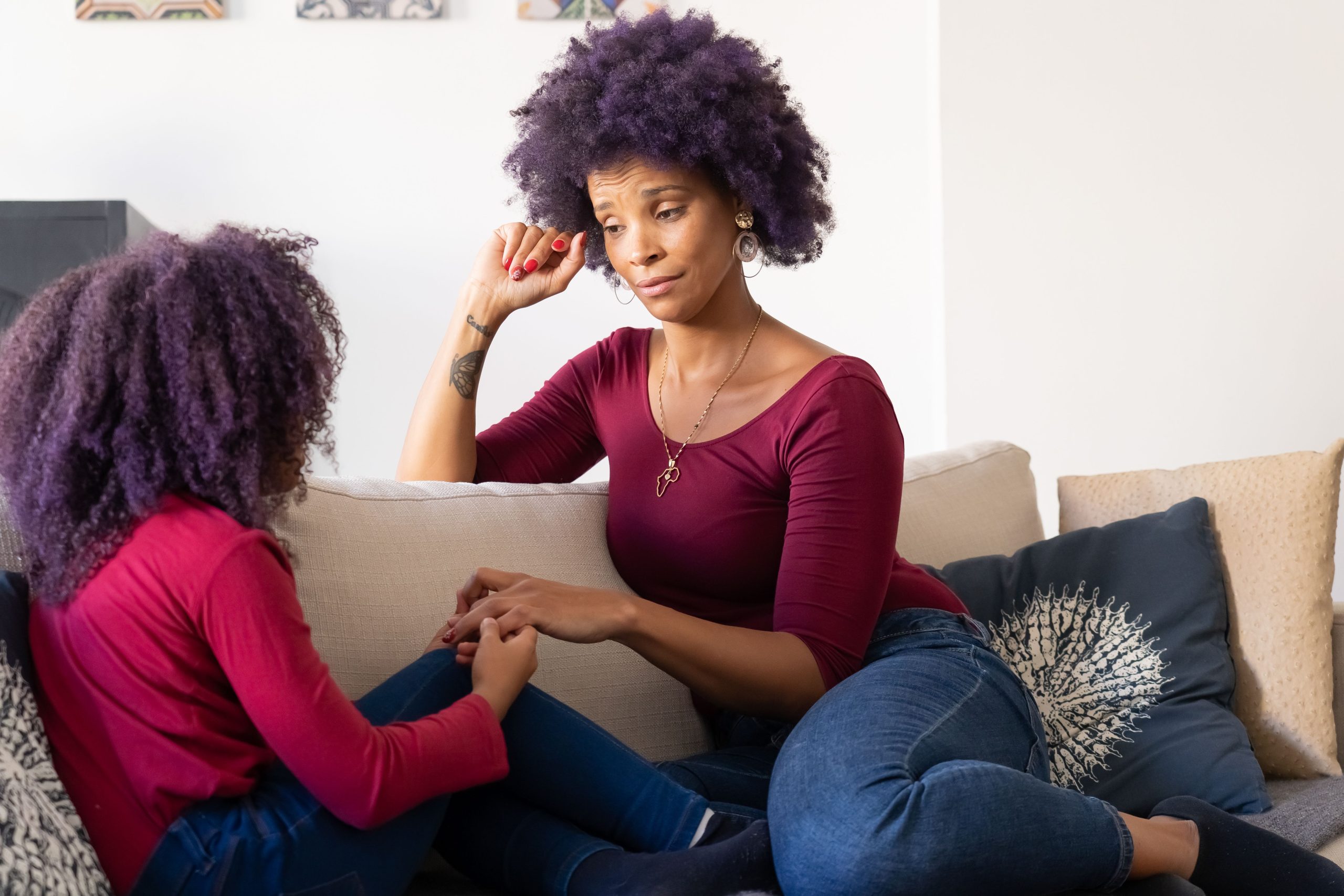
This post may contain affiliate links. As an Amazon Associate, I earn from qualifying purchases.
Every October, red ribbons appear on backpacks, mailboxes, and school bulletin boards, and most parents have a vague sense of why without knowing the full story. Red Ribbon Week 2026 runs October 23 through 31, making it the nation’s longest-running and largest drug prevention awareness campaign for kids. Schools use the week to reinforce healthy choices, but the conversations that actually stick happen at home, in the car, at the dinner table, in the ten minutes before bed. Red Ribbon Week gives parents something useful: a built-in reason to start a conversation they’ve been putting off. Whether your kid is in preschool or already navigating a group chat where vaping comes up, this week offers a low-pressure entry point to a conversation that works best when started early and repeated often.
What Is Red Ribbon Week 2026 And Why It Matters
Red Ribbon Week started in 1988, one year after parents and community leaders in California began wearing red ribbons in honor of Enrique “Kiki” Camarena, a DEA agent murdered in 1985 while investigating a drug trafficking operation in Mexico. The National Family Partnership turned that grassroots tribute into a formal campaign, and nearly four decades later, it remains the country’s largest drug prevention program, reaching an estimated 80 million people every year, including students, parents, and educators.
Each year has its own theme, and the 2026 theme, “Make a Difference. Be a Hero. Stay Drug Free.”, was chosen through NIMCO’s national student theme contest, with a Connecticut student’s entry winning this year. The theme matters because it reframes staying drug-free as an active, admirable choice rather than just a rule to follow, which tends to land better with kids than a flat warning.
Why Red Ribbon Week Matters For Parents Beyond The Classroom
Schools lean heavily on Red Ribbon Week, but a week of posters and pledge signing at school fades fast without reinforcement at home. Kids are more likely to retain and act on messages about drugs and alcohol when they hear them from a parent repeatedly over time, not once from a classroom assembly. Waiting for one “big talk” during the teen years also tends to backfire, since by then plenty of kids have already formed opinions from friends, older siblings, or what they have seen online.
The earlier a parent starts, the more natural these conversations become later. A five-year-old who hears simple, honest answers about medicine safety grows into a ten-year-old who already trusts that a parent will answer hard questions directly, which makes the harder conversations about alcohol, vaping, and drugs in middle school far less awkward to start.
How To Talk To Kids About Drugs At Every Age
| Age Group | What To Focus On | A Simple Way To Start |
|---|---|---|
| Ages 3 to 5 | Medicine and household product safety, not drugs by name | “Medicine is only safe when a grown up gives it to you.” |
| Ages 6 to 9 | What drugs are in simple terms, and that some substances are only safe with a doctor’s help | “Some things can really hurt your body, so only a doctor or parent decides what goes in it.” |
| Ages 10 to 12 | Peer pressure, vaping, and how advertising makes risky things look appealing | “If a friend offered you something like that, what do you think you’d do?” |
| Ages 13 and up | Specific risks, honest facts about alcohol and vaping, and your family’s expectations | “I want you to know you can always call me, no matter what kind of situation you’re in.” |
The specifics should shift every few years rather than staying the same script from preschool through high school. A toddler needs a boundary, a tween needs a conversation, and a teenager needs facts paired with a clear sense that you won’t overreact to whatever they tell you.
Simple Ways To Talk About Drugs Without Lecturing
Short conversations spread across months work better than one long sit-down. Car rides and walks tend to work well because there is no direct eye contact, which takes pressure off a kid who might feel put on the spot face to face. SAMHSA’s Talk. They Hear You. campaign recommends keeping these talks two-way instead of one-directional by asking what a kid already thinks or has heard before correcting or adding information, since kids tend to shut down fast when a conversation feels like a quiz they might fail.
Follow-up conversations work better than first ones. If a Red Ribbon Week poster at school mentions vaping, ask about it that night rather than saving every drug-related question for one official date on the calendar. Real news, a show, or a situation involving a friend’s older sibling all work as natural openers that feel less staged than a planned talk.
Building The Confidence To Say No
Talking about drugs is only half the work. Kids also need the confidence to act on what they know when the moment arrives, often in front of friends with no parent around to help. This is where building resilience in kids connects directly to drug prevention, since a kid who has practiced sitting with discomfort and making their own calls in smaller moments is far more prepared to hold their ground in a bigger one.
Practicing short, specific responses ahead of time, rather than hoping a kid improvises, makes a real difference. A simple “no thanks, I’m good” that a kid has said out loud at home comes out far more naturally under pressure than a response they invent on the spot.
Easy Red Ribbon Week Activities To Try At Home
- Wear red together on October 23 and ask your kid why
- Post your 2026 theme word, hero, on a sticky note by the door
- Watch one short video about vaping risks together and talk about it
- Let your kid help write a one-sentence family pledge to stay drug-free
Frequently Asked Questions
When Is Red Ribbon Week 2026? Red Ribbon Week 2026 runs October 23 through October 31, though individual schools sometimes shift their observed week slightly to fit the academic calendar.
What Is The Red Ribbon Week 2026 Theme? This year’s theme is “Make a Difference. Be a Hero. Stay Drug Free.”, chosen through NIMCO’s annual student theme contest.
What Age Should I Start Talking To My Kid About Drugs? Preschool is a reasonable starting point, using simple language about medicine and household safety rather than naming specific drugs.
How Do I Bring Up Vaping With My Tween? Ask open questions about what they have already heard or seen at school, then add facts rather than leading with a warning.
Final Thoughts
Red Ribbon Week 2026 is one week on a calendar, but the conversations it prompts work best as an ongoing habit rather than a single event. A short, honest talk in October, picked back up in December, and again next spring does more for a kid than one long lecture ever will. Start with whatever feels natural this week, a sticky note, a car ride question, a shared video, and let the follow-up conversations come when they come.
Photo by Kampus Production: Pexels

 Mercy Kambura
 JayDee Vykoukal


