
Why The Village Parenting Trend Is Taking Over In 2026
 Chelsy
This post may contain affiliate links. As an Amazon Associate, I earn from qualifying purchases.
Scroll through any parenting corner of social media this fall, and you will run into the phrase “it takes a village,” usually followed by someone explaining that the village now comes with an invoice. The village parenting trend has become one of 2026’s loudest parenting conversations, splitting into two camps. One side is rebuilding real, local, mutual support systems. The other side is selling curated community back to exhausted parents for a monthly fee. Understanding the difference matters, because the real idea behind village parenting is simple, free, and worth protecting from the version that repackages isolation as a subscription.
What Is The Village Parenting Trend
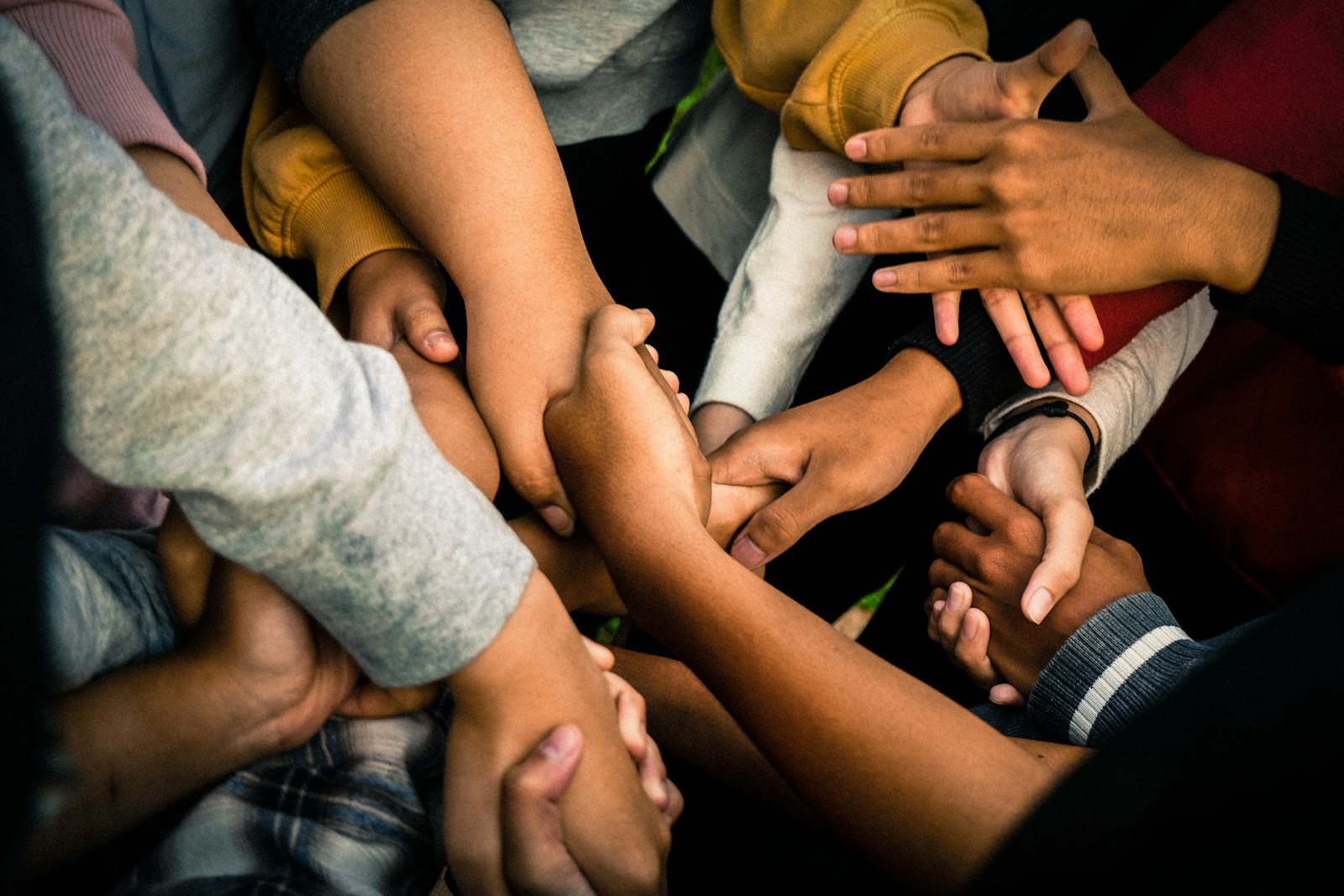
Village parenting describes a shift away from the hyper-independent, do-it-all-yourself model of raising kids that dominated the last decade, and toward actively building a network of people who help carry the load. That network can include grandparents, neighbors, friends with kids the same age, a carpool group, a babysitting swap, or a church or community group. The term borrows from the old saying about villages raising children, but the 2026 version is less about nostalgia and more about necessity. Parents are naming out loud what used to go unspoken: raising kids without any backup is exhausting, and asking for help is not a parenting failure.
The trend picked up serious momentum after a wave of TikTok and Instagram posts pointed out that many modern parents have no village at all. Extended family often lives hours away, neighborhoods are quieter than they used to be, and full-time work leaves little time to build the kind of close, reciprocal friendships that used to form naturally. Village parenting is an active, intentional response to that gap, not a passive wish that help would show up on its own.
Why Village Parenting Is Trending In 2026
Parental burnout didn’t appear overnight, but 2026 is the year many parents stopped treating it as a personal problem to manage alone. Public health voices have been naming parental stress directly, and that validation gave the village parenting conversation real traction. When exhaustion gets described as a widespread condition instead of an individual failing, asking for help starts to feel less like admitting defeat and more like basic math.
Cost is doing a lot of work here too. Childcare prices have climbed well past what many family budgets can absorb, and that squeeze is pushing parents to look for support without an hourly rate. A neighbor who can grab your kid from the bus stop twice a week, a friend who takes your toddler for a Saturday morning in exchange for the same favor next weekend, or a grandparent who handles pickup on Tuesdays all solve a real problem without adding another bill. Village parenting is catching on partly because it eases financial pressure as much as emotional pressure.
Social media is also more honest about this topic than it used to be. Posts about loneliness in early parenthood, the lack of nearby family, and the awkwardness of making mom friends as an adult are getting millions of views because they describe something many people felt alone in for years. Naming the problem publicly made it easier to solve publicly, too.
The Problem With “Pay For Your Village” Culture
Not every version of this trend is healthy, and it is worth calling that out directly. A smaller but very visible slice of village parenting content markets paid memberships, subscription playgroups, or curated “community” products as a stand-in for the real thing. Some of these services genuinely help, especially for parents who have exhausted other options. Many just repackage a basic human need- connection- and slap a price tag on it, leaving parents feeling like even support is something they have to shop for.
The distinction worth holding onto is reciprocity. A real village runs on mutual exchange. You watch my kid, I watch yours. I bring a meal when you have a newborn; you bring one when I am the one drowning six months later. A paid version of community can bridge the gap while you build the real thing, but it works best as a supplement, not a replacement, for relationships with people who will show up for you the way you show up for them.
What A Real Village Actually Looks Like
A village does not need to be large to work. Two or three households who trust each other enough to swap childcare, share a meal train during a hard week, or split pickup duty on busy days can cover most of what families actually need. The households that report feeling most supported aren’t the ones with the biggest group chat. They are the ones with a small number of people they can call without overexplaining the ask.
Families already practicing slow motherhood often describe their village as part of the same shift. The slow motherhood movement trims an overloaded schedule to what matters, and a real village does the same for emotional load, reducing what one person is expected to carry alone. The two trends reinforce each other. A lighter calendar leaves room to show up for a neighbor, and a reliable village makes it easier to say no to the extra commitments slow motherhood asks families to drop.
How To Build Your Own Village Starting This Week
Start small and local instead of trying to recreate an entire extended family overnight. Pick two or three people you already know, a neighbor, a coworker with a kid the same age, a friend from daycare pickup, and ask one specific, small favor rather than a vague “let’s get our kids together sometime.” A concrete ask like trading pickup on Thursdays is far easier to say yes to than an open-ended offer of friendship.
Offer before you ask, when you can. Villages run on trust, and trust builds faster when you show up for someone else first, even in a small way, like bringing an extra snack for a friend’s kid at pickup or covering a fifteen-minute gap during a scheduling conflict. That first gesture tends to open the door for the other person to offer something back without either side keeping score.
Look outside your existing friend group too. A library story time, a kids’ sports practice, a place of worship, or a neighborhood parents’ group on an app are all low-pressure places to meet people who are also looking for exactly this. The Surgeon General’s parental stress advisory specifically names social connection as one of the most protective factors for parental mental health, which is worth remembering on the days when asking for help feels harder than just toughing it out alone.
Finally, stay consistent even when it feels unnecessary. A village is built through small, repeated contact, not one big gesture. Checking in during a rough week, remembering a friend’s kid has a dentist appointment, or simply showing up at the same park every week turns an acquaintance into someone you can call when you need backup.
Frequently Asked Questions
What is the village parenting trend? Village parenting is intentionally building a network of family, friends, and neighbors who share childcare and emotional support, instead of trying to raise kids with no outside help.
Is village parenting the same as paying for community? No. Some paid programs market themselves as a village, but the core idea behind the trend is mutual, reciprocal support between people who show up for each other without a transaction attached.
How do I start building a village if I do not have one? Start with one or two people you already see regularly, offer a small favor first, and ask for something specific and small in return rather than a vague request for closer friendship.
Why is village parenting trending in 2026? Rising childcare costs, honest social media conversations about parental loneliness, and growing public attention to parental burnout have pushed parents to seek real, unpaid support systems again.
Final Thoughts
The village parenting trend is really just an old idea with a 2026 name and renewed urgency. Raising kids without backup was never meant to be a solo project, and saying that out loud makes it easier for parents to ask for help instead of quietly burning out. Start with one small ask this week, and let the village build itself from there.
Photo by Marlis Trio Akbar: Unsplash

 Nikoletta Sipos

 Mercy Kambura


 Michael Dinneen

 JayDee Vykoukal