
Daylight Saving Time 2026: How To Protect Your Kid’s Sleep
 kellybryson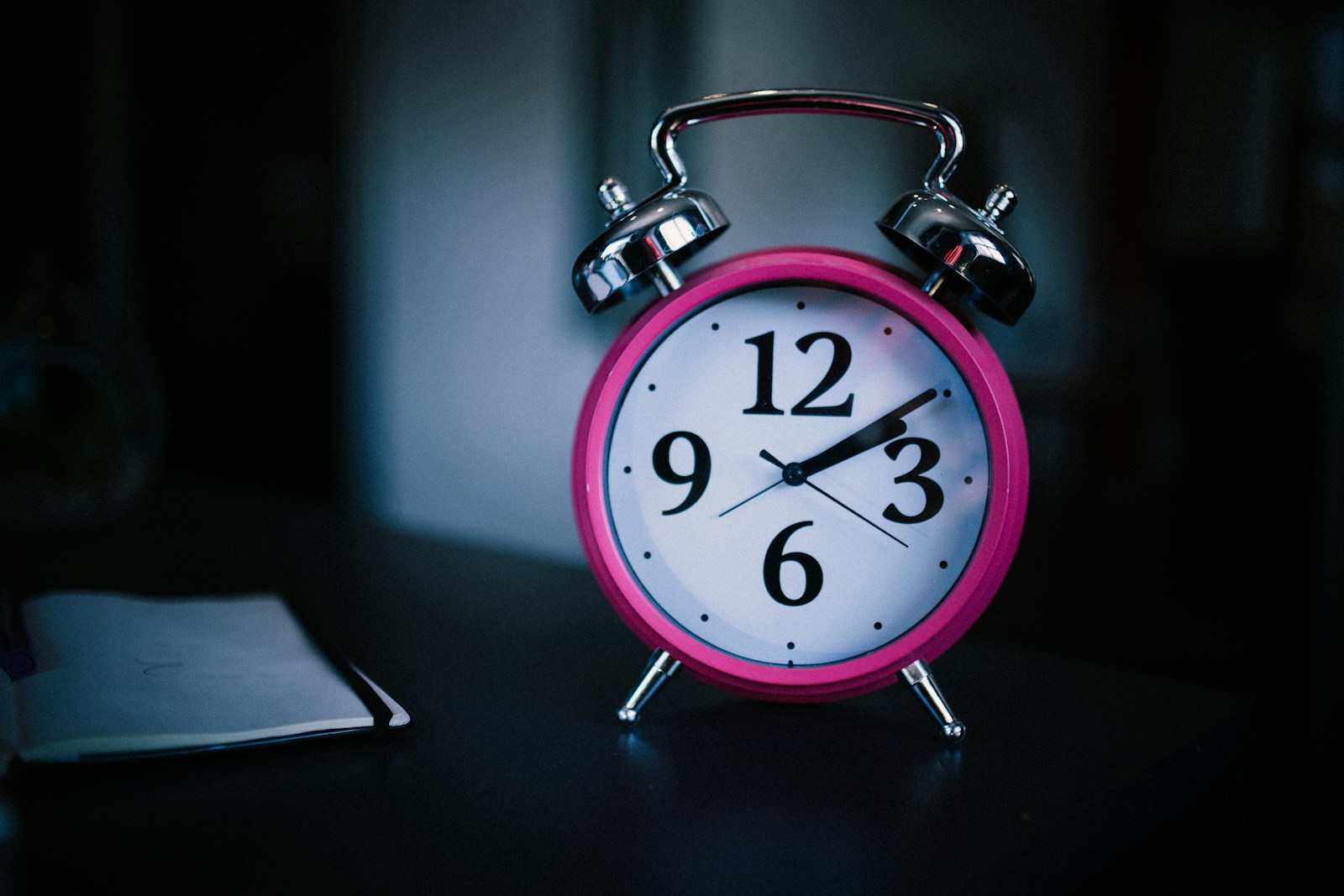
This post may contain affiliate links. As an Amazon Associate, I earn from qualifying purchases.
The clocks fall back on November 1, 2026, and that single hour can wreck a kid’s sleep schedule for days. Daylight saving time ending sounds like a win since everyone gets an extra hour of sleep, but most families know it rarely plays out that way. Kids wake up before dawn, fight bedtime even harder than usual, and melt down by late afternoon because their internal clock is running an hour ahead of the one on the wall.
A few small adjustments in the days before and after the time change can keep your household from losing a full week to overtired kids. Here is what actually helps when daylight saving time ends this year.
When Does Daylight Saving Time End In 2026
Daylight saving time ends on Sunday, November 1, 2026. Clocks fall back one hour at 2 a.m., so most families simply notice the shift when they wake up that Sunday morning. Standard time then sticks around until clocks spring forward again in March 2027.
The fall time change tends to hit kids harder than adults expect. Evenings get dark earlier, mornings get bright earlier, and a child’s body clock doesn’t know the difference between a calendar change and an actual shift in daylight. That mismatch is exactly what causes the early wake ups and cranky evenings parents dread every November.
Why Daylight Saving Time Disrupts Kids Sleep Schedules
Kids run on a circadian rhythm, an internal clock largely set by light exposure. When the clocks fall back, a child’s body still expects to wake, eat, and sleep at the same internal time, even though the clock on the wall now says something different. That is why a toddler who normally woke at 7 a.m. can suddenly be up and ready to go at what used to be 6 a.m.
Younger kids and babies tend to feel this most because their sleep schedules are more rigid and they can’t self-adjust as easily. School age kids usually bounce back faster, but the first few mornings after the time change are rough for almost every family regardless of age.
Signs The Time Change Is Affecting Your Child
Most kids show the same handful of symptoms during the week after daylight saving time ends. Watch for earlier wake ups than usual, trouble falling asleep at the normal bedtime, extra crankiness in the late afternoon, and a general drop in patience for things that would not normally bother them.
Babies and toddlers may also resist naps or wake up fussy from sleep that used to leave them rested. None of this means something is wrong. It just means their internal clock has not caught up to the new schedule yet, and it usually resolves within three to seven days.
How To Prepare Your Kids’ Sleep Schedule Before The Time Change
The easiest fix is to start adjusting before November 1, not after. A few nights before the time change, push bedtime and wake time later by ten to fifteen minutes each day. By the time the clocks fall back, your child’s body is already close to the new schedule, making the transition barely noticeable.
If your family cannot start early, a same-day approach works too. On the morning of the time change, keep your child on their old bedtime by the clock rather than jumping straight to the new schedule, then shift gradually over the following days. Either way, consistency matters more than which exact method you choose.
Meal times matter just as much as sleep times. Shifting breakfast, lunch, and dinner along with the sleep schedule helps reinforce the new rhythm, since hunger cues are another strong signal for a child’s internal clock. Keeping the same bedtime routine- bath, book, lights out- also gives your child’s brain a familiar cue that sleep is coming, no matter what the clock says.
What To Do The Week After Clocks Fall Back
Morning light exposure is one of the most effective tools once the time actually changes. Open the curtains right away or get outside soon after waking, since natural light helps reset a child’s internal clock faster than almost anything else. In the evening, do the opposite and dim the lights an hour or so before bedtime to signal that sleep is coming, even though it is darker outside earlier now.
Hold the line on nap times and bedtime as closely as you can during this first week, even if your child seems extra tired or extra wired. Skipping naps or pushing bedtime later to “tire them out” usually backfires and makes the adjustment take longer. A consistent evening routine, similar to the kind of daily routine chart many families already use for school mornings, works just as well for smoothing out the time change.
Expect some bumps for the first several days and resist the urge to overhaul the whole schedule to fix it faster. Most kids settle back into a normal rhythm within a week once their body clock catches up to the new hour.
Age By Age Tips For The Time Change
Different ages need slightly different approaches, since a newborn and a ten-year-old do not adjust to a schedule shift the same way.
| Age Range | What To Expect | Best Approach |
|---|---|---|
| Newborns to 12 months | Early wake-ups, disrupted naps | Shift nap and feeding times by 10 to 15 minutes daily |
| Toddlers (1 to 3) | Early rising, bedtime resistance | Gradual bedtime shift, consistent wind-down routine |
| Preschool (4 to 5) | Crankiness, nap refusal | Morning light exposure, hold nap time steady |
| School age (6 to 12) | Mild grogginess, slower mornings | Keep homework and bedtime routine consistent |
| Tweens and teens | Later natural bedtime, harder mornings | Limit evening screens, prioritize consistent wake time |
Common Mistakes Parents Make With The Time Change
The biggest mistake is doing nothing and hoping the schedule sorts itself out. It usually does eventually, but a week of early wake ups and overtired meltdowns is a rough trade for skipping a few nights of gradual adjustment.
Overcorrecting is just as common. Jumping straight to the new schedule in one day, rather than shifting gradually, often confuses a child’s body clock more than the time change itself. Letting screen time slide later to compensate for a tired, wired evening also backfires, since screens make it harder for kids to wind down right when their body needs the opposite signal.
Frequently Asked Questions
When does daylight saving time end in 2026? Daylight saving time ends on Sunday, November 1, 2026, when clocks fall back one hour at 2 a.m.
Will my child wake up earlier after daylight saving time ends? Often, yes. Since the clock falls back an hour, a child’s usual wake time by their internal clock now shows up an hour earlier on the wall. Gradually shifting bedtime in the days before the change helps prevent this.
How long does it take kids to adjust to the time change? Most children adjust within three to seven days once their circadian rhythm catches up to the new schedule. Babies and toddlers sometimes take a few extra days.
Should I keep my child up later to adjust faster? No. Keeping bedtime and nap times consistent, with only small gradual shifts, works better than drastically changing the schedule in one day.
Does the time change affect naps too? Yes. Naps can shift along with nighttime sleep. Keeping nap times as close to the usual schedule as possible, adjusted gradually like bedtime, helps avoid extra crankiness.
Final Thoughts
Daylight saving time ending on November 1, 2026 does not have to mean a rough week for your family. A few nights of gradual bedtime shifts beforehand, plus consistent morning light and a steady evening routine afterward, are usually enough to get a child’s sleep schedule back on track. According to NYU Langone’s sleep guide, small, gradual adjustments make the biggest difference for kids of every age. Start the shift a few nights early this year, and the extra hour will feel like a gift, not a setback.
Photo by Mpho Mojapelo: Unsplash

 Kate Shaw
 JayDee Vykoukal

 Mercy Kambura
 Chelsy