
How to Handle a Picky Toddler at Mealtimes (Without the Power Struggle)
 Farah
Farah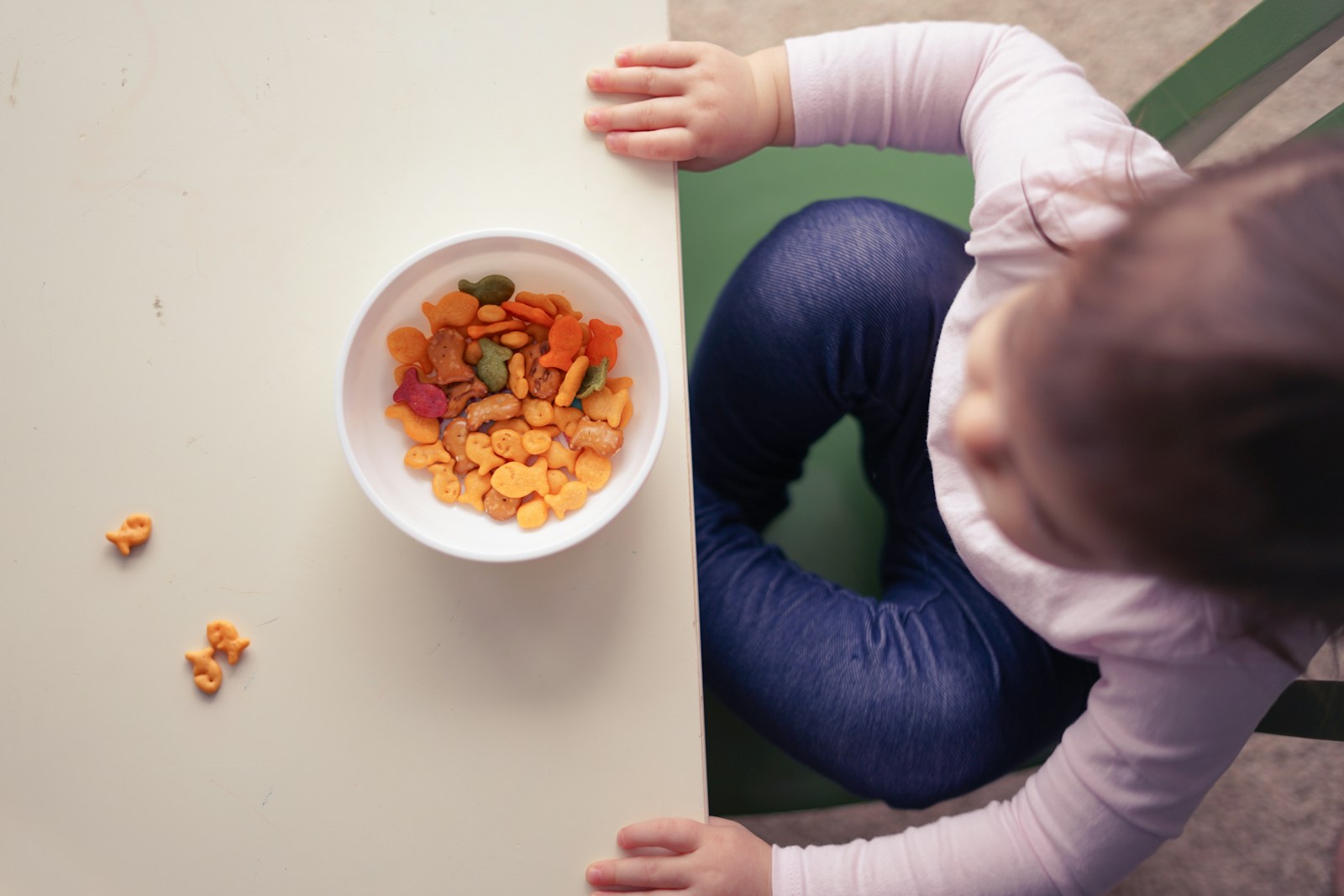
This post may contain affiliate links. As an Amazon Associate, I earn from qualifying purchases.
You set down a plate of the exact meal your toddler ate happily last Tuesday. Today? Full meltdown. The pasta is “yucky,” the peas are “touching things,” and the cup is the wrong color. You’re exhausted, dinner is getting cold, and you’re wondering how any child survives on four accepted foods. You’re not doing anything wrong, and you’re definitely not alone. Here’s what actually works for a picky toddler.
Why Your Toddler Is a Picky Eater (And Why It Makes Sense)
Picky eating is developmentally normal in toddlers, which is one of those facts that feels both reassuring and completely unhelpful when you’re staring down a refused dinner. The American Academy of Pediatrics notes that most children between ages 2 and 5 go through phases of food refusal, neophobia (fear of new foods), and strong food preferences. This isn’t a parenting failure; it’s a developmental stage.
Part of what’s happening is a toddler asserting control. Between ages 1 and 3, children are deeply invested in autonomy, and food is one of the few arenas where they have real power. They can’t choose their bedtime or whether they go to daycare, but they can absolutely refuse that broccoli. Pediatric dietitian Ellyn Satter, who developed the widely used Division of Responsibility in Feeding model, explains that parents decide what food is offered, when it’s offered, and where eating happens, while children decide whether to eat and how much. When parents try to control the “whether” and “how much,” that’s when power struggles ignite.
Understanding this reframe doesn’t make mealtimes magically easy. But it does change where you focus your energy.
Set Up the Table for Success Before the Meal Starts
Most mealtime battles are won or lost before anyone sits down. A few environmental shifts take the pressure off everyone.
Keep portion sizes small. A toddler-sized serving is about one tablespoon per year of age, according to feeding guidelines from the Academy of Nutrition and Dietetics. What looks like a tiny amount to you is actually appropriate for a 2-year-old. Putting a full adult portion in front of a picky toddler sets everyone up for frustration.
Offer at least one accepted food at every meal. You’re not cooking separate meals, but including one thing you know your child will eat alongside newer or less familiar foods removes the pressure from both of you. Your toddler isn’t forced to try something scary just to survive dinner, and you’re not negotiating from a place of panic.
Try to minimize distractions. Screens, toys, and high-stimulation environments compete with the sensory experience of eating. A calm table, even a chaotic-household version of calm, helps toddlers focus on the food in front of them.
Use the Division of Responsibility at Every Meal
Ellyn Satter’s Division of Responsibility model is the most well-researched framework for feeding toddlers, and it consistently reduces mealtime conflict in families who apply it. The premise is deceptively simple: you control the what, when, and where. Your child controls whether and how much.
In practice, this means you put the meal on the table and let your toddler decide what to eat from what’s offered. You don’t coax, bribe, or negotiate. You don’t cheer when they take a bite or express disappointment when they don’t. You eat your own food and talk about something other than what’s on the plate.
This feels deeply uncomfortable at first, especially if your child pushes back or eats almost nothing. But research published in the journal Appetite found that controlling feeding practices (pressuring, restricting, rewarding) are associated with pickier eating over time, not less. Letting go of the outcome is how you reduce the struggle, not escalate it.
Introduce New Foods Without Pressure
Repeated exposure is the single most evidence-backed strategy for expanding a picky toddler’s palate, but the key word is “without pressure.” Research from food psychologist Lucy Cooke at University College London found that children may need to see or be offered a new food 10 to 15 times before they’re willing to try it, and that pressure during those exposures makes acceptance less likely, not more.
Put a small amount of a new food on the plate alongside accepted foods. Don’t comment on it. Don’t ask them to try it. Let it just exist. Some days they’ll poke it. Some days they’ll ignore it entirely. Some day, without fanfare, they may eat it. The short-term goal isn’t eating; it’s familiarity.
The Feeding Littles program, developed by a pediatric occupational therapist and a registered dietitian, offers detailed guidance on this approach, along with practical tools for families navigating extreme picky eating or sensory-based food aversions.
What Not to Say to a Picky Toddler
The language you use with picky toddlers has more influence than most parents realize. A few phrases consistently backfire with picky toddlers.
“Just try one bite” puts your child in the position of having to perform eating on command, which increases anxiety around food. “You won’t get dessert unless you eat your vegetables” turns dessert into a reward and vegetables into a punishment, which research shows actually decreases preference for vegetables over time. You used to love this” is rarely helpful and almost always makes things worse.
What works better: neutral, low-pressure language. “Here’s your dinner.” “You can eat as much as you’d like.” “We’ll have [accepted food] again tomorrow.” These statements reduce the emotional charge around eating and help your toddler experience meals as safe rather than stressful.
Try This Week
- Offer one accepted food alongside every meal, without making it the “reward” food.
- Stop commenting on how much or how little your toddler eats for one full week.
- Serve new foods in tiny amounts (a pea-sized portion) with no comment or pressure.
- Sit down and eat your own meal at the table alongside your toddler.
- Remove screens and toys from the eating area before meals start.
- Keep toddler portion sizes small (1 tablespoon per year of age as a starting point).
- Try involving your toddler in one small mealtime task, such as carrying their own cup or choosing between two vegetables.
- Notice which battles you’re initiating and experiment with stepping back from one of them.
- If your child refuses an entire meal, stay calm and remind yourself the next meal is coming.
- Track exposures to new foods rather than acceptances. Ten exposures without eating is still ten exposures toward eventual acceptance.
Final Thoughts
Feeding a picky toddler is genuinely hard, and the hardest part is often letting go of control over the outcome. You can prepare nourishing meals, create a calm table, and keep showing up consistently, and your toddler will still sometimes refuse everything you put in front of them. That’s not failure. That’s a toddler. Focus on what you can control: the environment, the offered foods, and your own response. The rest tends to follow, slower than you’d like, but it follows.
Photo by Jeff Hendricks: Unsplash

 Chelsy
 JayDee Vykoukal
 Kate Shaw

 kellybryson