How to Introduce Solid Foods for the First Time: A Step-by-Step Guide
 Chelsy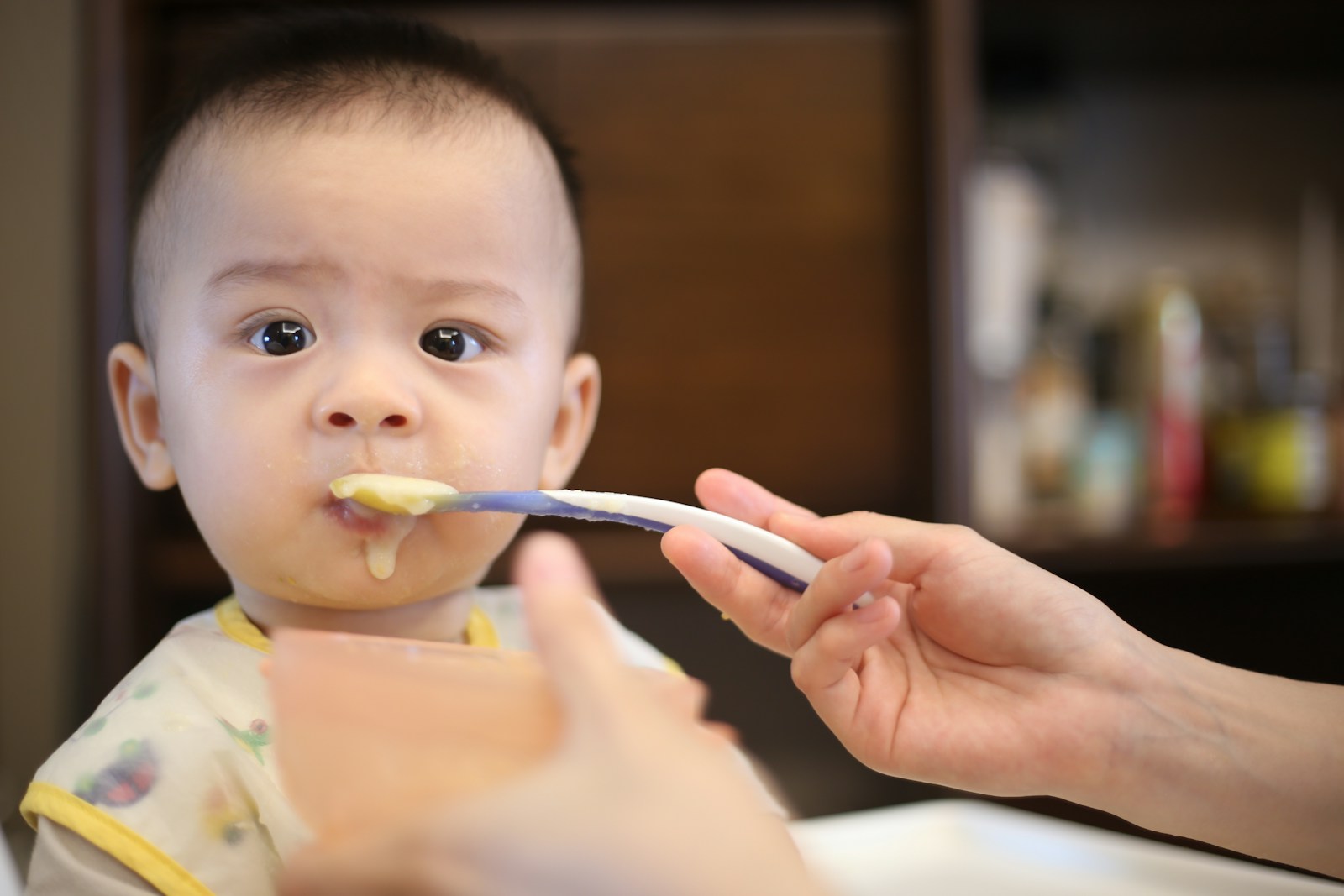
This post may contain affiliate links. As an Amazon Associate, I earn from qualifying purchases.
You’ve been watching your baby eye your dinner plate for weeks. She lunges for your fork, stares at every bite you take, and has officially outgrown the satisfied look she used to have after nursing. Your pediatrician said it’s almost time. And now you’re staring at a puree recipe you found at 11 p.m., wondering if you’re about to do this completely wrong. You’re not. But a little guidance goes a long way when you introduce solid foods for the first time.
Starting solids is one of the most exciting milestones of the first year, and also one of the most confusing. There is a lot of noise out there: rice cereal vs. vegetables, purees vs. finger foods, 4 months vs. 6 months. The stakes feel high because feeding your baby well is one of the most tangible ways you show love in these early months. The good news is that the goal at this stage is not perfect nutrition. It is exposure, exploration, and building a positive relationship with food. Getting that right matters far more than which vegetable you choose first.
Step 1: Know the Signs of Readiness Before You Begin
Introducing solids before your baby is developmentally ready can cause frustration for both of you and may increase the risk of choking. The American Academy of Pediatrics recommends waiting until around 6 months, though some babies show signs of readiness slightly earlier, around 4 to 6 months for certain families.
Look for all of these signs together, not just one or two. Your baby should be able to sit up with minimal support and hold her head steady. She should show genuine interest in food by watching you eat and reaching for meals. The tongue-thrust reflex, which causes babies to automatically push objects out of their mouths, should have faded. And she should be able to move food to the back of her mouth and attempt to swallow rather than immediately pushing it back out. If you’re unsure, your four-month or six-month well visit is the right time to ask your pediatrician directly.
Step 2: Choose a First Food That Sets Her Up for Success
There is no single “best” first food, and the AAP no longer recommends starting with iron-fortified rice cereal as the default. What matters most is that the food is smooth, easy to swallow, and nutritionally appropriate.
Registered dietitian and family nutrition specialist Jill Castle, author of Fearless Feeding, has documented that offering a variety of single-ingredient purees early (sweet potato, pea, butternut squash, pear, or a simple iron-fortified oatmeal) helps establish flavor preferences and reduces pickiness later. Single-ingredient foods also make it easier to identify any reactions. Many families start with a vegetable rather than a fruit, not because fruit is harmful, but because starting with savory flavors early tends to broaden a baby’s palate over time. That said, there is no research proving vegetables must come before fruit. Choose what feels right and what you have on hand.
For families practicing baby-led weaning, soft finger foods like mashed avocado, ripe banana cut into strips, or steamed broccoli florets can also serve as a first food, as long as your baby meets the readiness criteria above and you feel comfortable with the approach.
Step 3: Time It Right Within the Day
The timing of the first feeding matters more than most parents expect. Hunger makes everything harder at this stage.
Aim for a time when your baby is alert and in a good mood, typically about an hour after a breast or bottle feeding. If she’s starving, she’ll be too frustrated to try something unfamiliar. If she’s full, she won’t be interested. Mid-morning often works well for many families because babies tend to be well-rested and the day hasn’t gone sideways yet. Avoid offering solids when she’s overtired, fussy, or close to her nap window. A bad first experience can set the tone for days of refusal, so setting up calm conditions is worth the effort.
Step 4: Start Small, Go Slow, and Let Her Lead
On day one, one or two teaspoons is plenty. You are not feeding her a meal. You are introducing her to the idea that something other than milk can go in her mouth.
Sit her upright in a high chair or supported seat. Use a soft-tipped baby spoon and offer a small amount, holding the spoon near her lips rather than pushing it in. Let her open her mouth and lean forward. If she turns away, spits it out, or closes her lips, that is a complete sentence. Do not push. The AAP’s feeding guidelines consistently emphasize a responsive feeding approach, which means following your baby’s cues rather than a predetermined quantity. Many babies take two or three weeks before they reliably open their mouth for a spoon, and that is entirely normal.
Expect mess. Expect most of the food to end up on her chin, bib, or the chair. This is not failure. This is exactly how it is supposed to look in the beginning.
Step 5: Introduce New Foods One at a Time
Wait three to five days between introducing new single-ingredient foods. This gives you a clear window to watch for signs of an allergic reaction: hives, swelling around the mouth, vomiting, or difficulty breathing.
The AAP updated its allergen guidance in 2017, citing the landmark 2015 LEAP study, which found that introducing peanut products as early as 4 to 6 months for most infants reduced the risk of developing a peanut allergy by up to 81 percent. This was a significant departure from older advice that told parents to delay allergenic foods. Most pediatricians now recommend introducing common allergens (peanut products, eggs, tree nuts, fish, wheat, soy, and dairy) early and regularly, rather than waiting. If your baby has eczema or a known food allergy in the family, speak with your pediatrician before introducing these foods, as a supervised approach may be recommended.
Keep a simple log for the first several weeks: what you offered, how much she ate, and whether you noticed any reaction. You don’t need an app for this; a notes page on your phone works fine.
Step 6: Build to Two or Three Feedings a Day, Gradually
Most babies are not eating three solid meals a day at six months. That comes later, usually by nine to twelve months, as the AAP’s developmental feeding timeline outlines.
In the first four to six weeks of solids, one feeding per day is enough. Around seven to eight months, many babies naturally show interest in a second offering. By eight to ten months, three small solid meals alongside continued breast milk or formula is a common pattern. Breast milk or formula should remain the primary source of nutrition for the first full year. At this stage, solids are about learning, not replacing milk feeds. Rushing the transition before your baby is ready often leads to refusal and power struggles that linger long past this stage.
Try This Week
- Check all three readiness signs before starting: sits with support, head steady, tongue-thrust gone, and genuine interest in food.
- Ask your pediatrician at your next well visit whether your baby is ready, and specifically bring up allergen timing.
- Pick one simple first food and prepare a small batch: one or two tablespoons is all you need for the first session.
- Choose a first feeding time when your baby is alert, fed (but not full), and in a calm mood.
- Offer the food on a soft-tipped spoon and let her decide whether to accept it. Do not pressure, coax with airplane sounds, or force.
- Wait three to five days before introducing a new food.
- Start a simple food log: date, food offered, quantity, reaction (if any).
- Expect mess and accept it. A bib, a splat mat under the high chair, and a sense of humor will carry you far.
- Keep milk feeds consistent. Solids do not replace breast milk or formula in the first year.
- If your baby refuses for several days in a row, take a week-long break and try again. Some babies just need more time.
Final Thoughts
Starting solids is not a test you can fail. Your baby’s job right now is to taste, explore, and eventually learn to eat. Your job is to offer, stay calm, and follow her lead. Some babies take to it immediately. Some need six weeks before a single teaspoon stays in their mouth. Both are normal. Keep the pressure low, the portions small, and your expectations realistic. The relationship she’s building with food right now, one messy spoonful at a time, is worth far more than how much she finishes at any given meal.
Photo by hui sang: Unsplash

 Sharon Buchalter
 Nikoletta Sipos
 kellybryson
 Mercy Kambura
 Daniel Zakowski