
Veterans Day for Kids: How to Explain It by Age
 kellybryson
This post may contain affiliate links. As an Amazon Associate, I earn from qualifying purchases.
Your child asks why the flag is out again, or why Grandpa gets quiet every November 11. Veterans Day sneaks up every fall, right between Halloween candy and Thanksgiving planning. You want to explain it well, but you also do not want to scare a four-year-old with talk of war. The good news: you can teach real respect for service without a heavy history lesson. You can do it in minutes, not hours.
Why Veterans Day for Kids Matters
Veterans Day for kids can feel confusing without the right words. The holiday falls on November 11 every year and honors everyone who served in the United States military. It differs from Memorial Day, which honors service members who died. Kids often mix the two up, since both involve flags and solemn moments. Veterans Day began as Armistice Day in 1918, marking the end of World War I. The fighting stopped at the eleventh hour of the eleventh day of the eleventh month. Congress renamed it Veterans Day in 1954 to honor every veteran, not just those from one war. For a fuller look at Veterans Day’s history, History.com traces how the holiday grew over more than a century. Tailor your explanation to your child’s age to keep the topic calm, not overwhelming. It also builds a habit of noticing service long after today’s conversation ends.
Toddlers and Preschoolers (Ages 2 to 4)
Toddlers do not need facts. They need a feeling. Try a simple line like, “Some people help keep our country safe. Today we say thank you.” Point out a flag on a porch or a parade on television. Let your toddler wave a small flag or color a picture for a veteran. Keep the moment short and warm. A two-minute explanation plus a simple craft teaches more than a long speech ever could. It also gives your child something to do with their hands while they listen.
Early Elementary Kids (Ages 5 to 7)
Kids this age can handle a little more detail. Explain that veterans served in the Army, Navy, Air Force, Marines, Coast Guard, or Space Force. Tell them some veterans fought in wars, while others did other important jobs. Skip graphic details about combat at this stage. Focus instead on service, teamwork, and courage. A first grader can understand that saying thank you matters, even to someone they have never met. That small gesture often means more than kids realize.
Older Elementary Kids and Tweens (Ages 8 to 12)
By third or fourth grade, kids can discuss real history. Explain that Veterans Day started after World War I ended on November 11, 1918. Share specific family stories if you have a relative who served, including small, memorable details. Tweens often ask harder questions, like whether war feels scary or whether anyone in the family got hurt. Answer honestly, but let your child set the pace. You do not need to share every detail in one sitting. Pausing to check in keeps the conversation from feeling like a lecture.
Teens (Ages 13 and Up)
Teenagers can handle nuance and even disagreement. Talk about why some veterans experience the holiday differently, and why some wars remain controversial decades later. Encourage your teen to ask a veteran what their service actually involved day to day. They can do this in person or as part of a school project. Child psychologist Dr. Lisa Damour wrote “Untangled,” a book about teenage girls. She often notes that teens open up more when parents ask questions instead of lecturing. That same approach works well here. Let your teen lead with curiosity, and answer only what they actually ask.
Simple Veterans Day Activities for Families
A few simple activities make the day feel meaningful without much planning:
- Make thank-you cards and drop them off at a VA hospital or senior center.
- Watch a hometown parade, or stream a short clip if none runs nearby.
- Visit a local war memorial and read the names together.
- Ask a veteran in your family to share one specific memory.
- Cook a meal that reminds a grandparent of their service years.
Common Mistakes Parents Make
Many well-meaning parents share too much detail for a young child to handle. That can turn a simple thank-you into something frightening. Others skip the topic entirely, and kids still notice the awkward silence. A common mix-up is confusing Veterans Day with Memorial Day, which blurs who the day actually honors. Parents also tend to assume tweens and teens already understand the holiday because they have heard of it. Ask your child what they already know first, then fill in what they are missing.
Try This Week
- Pick one simple sentence that fits your child’s current age.
- Point out flags or decorations you notice together this week.
- Make or buy a card for a veteran you know personally.
- Ask a grandparent or family friend to describe their service.
- Watch one short, age-appropriate video about the holiday together.
- Visit a local memorial, even if you only have five minutes.
- Write a single thank-you note as a quick family activity.
- Explain the difference between Veterans Day and Memorial Day clearly.
- Let your teen ask a veteran one real, specific question.
- Thank a veteran you see in person, out loud, today.
Final Thoughts
Veterans Day does not need a lesson plan or a perfect speech. Kids learn respect by watching how you talk about service, not by memorizing dates. Start small, answer honestly, and let your child’s age guide how deep you go. If your family already handles tricky topics calmly, you already have what you need here. The same approach you use to talk to kids about elections works well for Veterans Day, too.
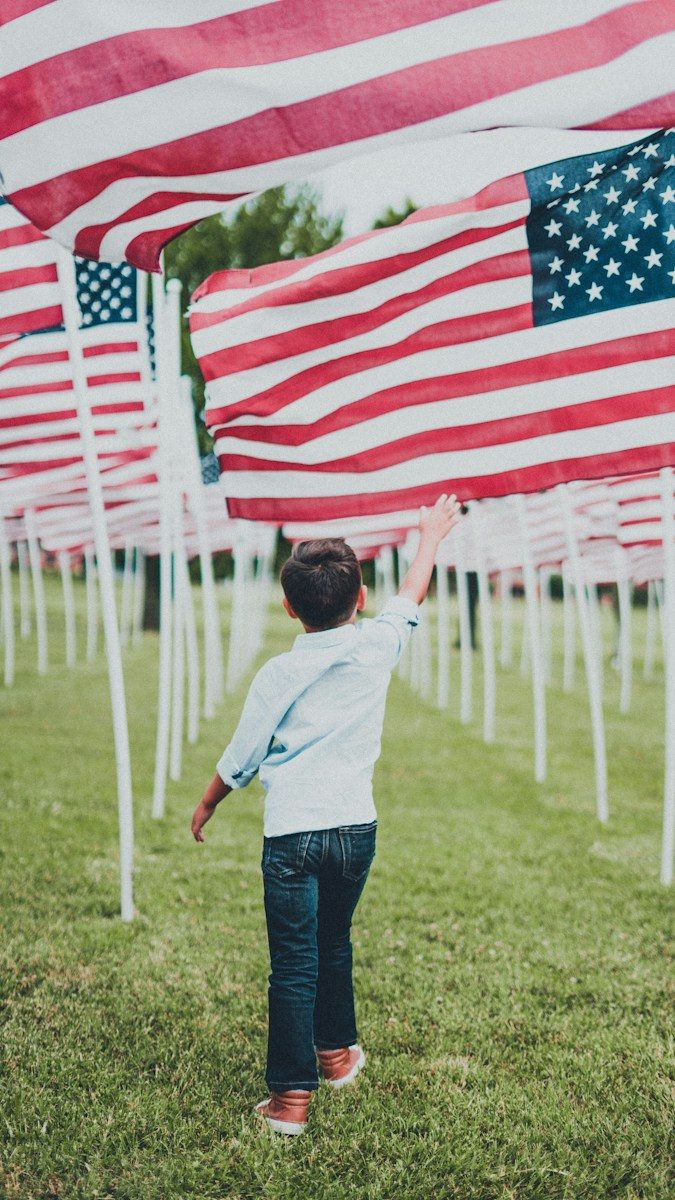
Photo by Chris Hardy: ShortPixel

 Nikoletta Sipos

 Mercy Kambura

 JayDee Vykoukal


