
How to Introduce Solid Foods For Your Baby
 kellybryson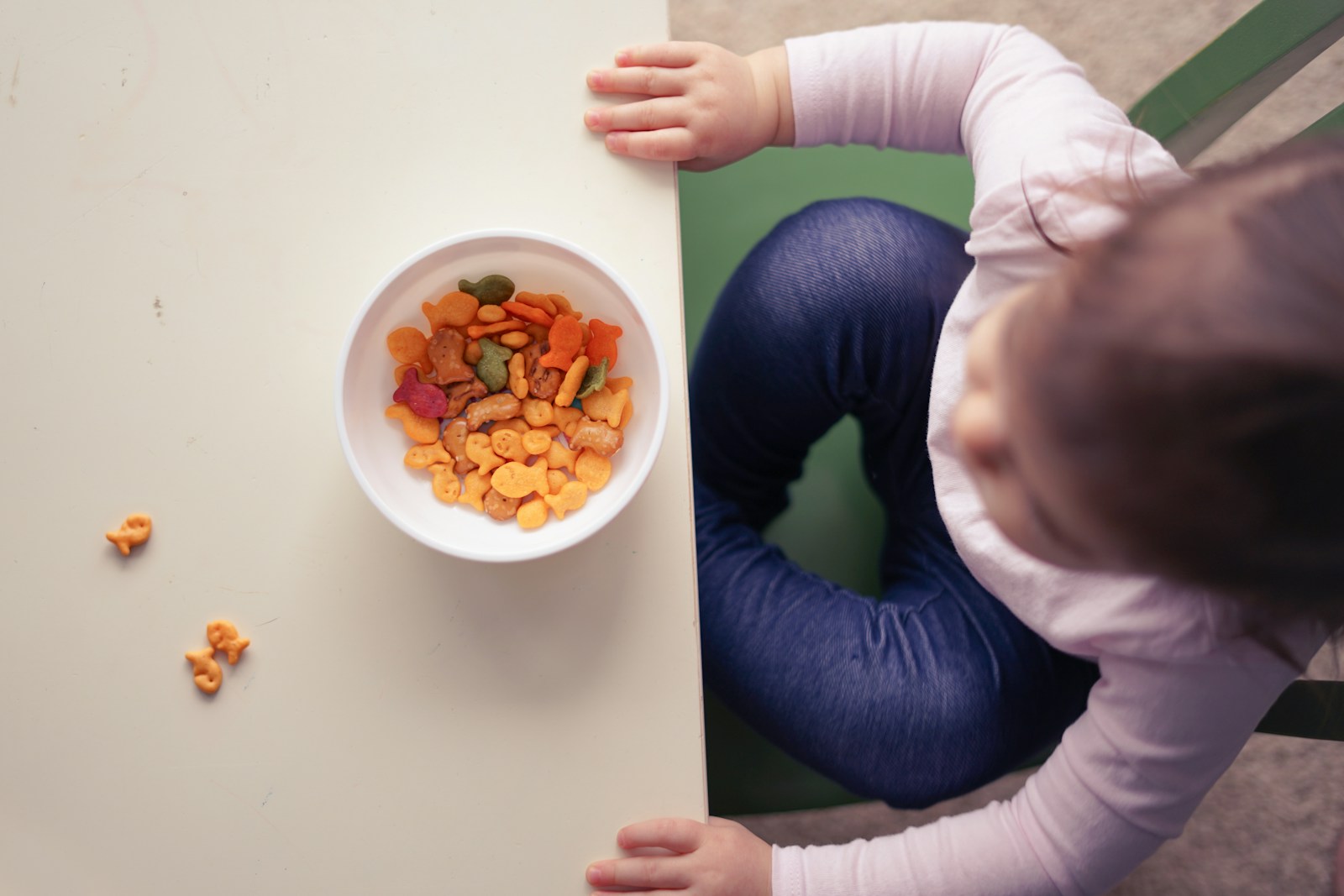
This post may contain affiliate links. As an Amazon Associate, I earn from qualifying purchases.
You’ve made it through months of bottles or nursing sessions around the clock, and now your pediatrician has given the green light. Your baby is sitting up, eyeing your dinner plate with real interest, and you’re standing in the kitchen wondering where to even start with introducing solid foods for your baby. The good news is that this stage does not require a complicated system, just a clear plan and a little patience. Solid foods for your baby don’t have to be complicated.
Why Starting Solid Foods for Your Baby the Right Way Matters
The first year of eating sets the foundation for how your child relates to food for years to come. Starting too early can strain an immature digestive system, while waiting too long can mean missed opportunities to introduce key nutrients like iron and zinc, which breast milk alone cannot fully supply after six months. A realistic goal here is not a baby who eats everything on the first try. It is a baby who is safely exposed to a wide variety of foods and textures, and a mom who feels confident instead of anxious every time a new food shows up on the tray. Getting this stage right also tends to make toddler mealtimes smoother down the road, since babies who explore diverse flavors and textures early are often less rigid eaters later.
1. Watch for Signs of Readiness Before the Calendar
Age is a starting point, not the deciding factor. Most babies are ready for solids somewhere between four and six months, but readiness signs matter more than the date on the calendar.
A. Physical Signs to Look For
Your baby should be able to sit upright with minimal support and hold her head steady. She should also show that the tongue-thrust reflex, which pushes foreign objects out of the mouth, has faded. If food keeps getting shoved back out immediately, that reflex likely has not settled yet.
B. Behavioral Signs to Look For
A baby who reaches for your food, opens her mouth when a spoon approaches, or seems unsatisfied after full milk feedings is often signaling she is ready for more. If your baby turns away, cries, or seems distressed by the process, it is fine to wait a week or two and try again.
2. Choose Your Approach: Purees, Baby-Led Weaning, or Both
There is no single correct method, and many families blend approaches based on what fits their schedule and their baby’s temperament. If you want a deeper breakdown of one popular method, our <a href=”https://mombloglife.com/baby-led-weaning-guide”>baby-led weaning guide</a> covers how to offer whole, graspable foods safely from the start.
Traditional spoon-feeding with purees gives you more control over texture and portion, which some parents find less messy and easier to track. Baby-led weaning skips purees and offers soft, appropriately sized whole foods that babies feed themselves, which can support fine motor skills and self-regulation of hunger. Neither approach has been shown to be clearly superior for nutrition or long-term eating habits, so the right choice often comes down to your comfort level and your baby’s interest in self-feeding.
3. Start With Single-Ingredient, Iron-Rich Foods
Iron stores from birth begin to decline around six months, which makes iron-rich first foods a priority regardless of which method you choose. Good starting options include iron-fortified infant cereal, pureed or mashed meat, lentils, and mashed beans.
Offer one new single ingredient food at a time and wait about three to four days before adding another. This spacing makes it easier to identify the source if a reaction shows up. Start with just a teaspoon or two and let your baby set the pace. Some babies take to solids within days, while others need a few weeks of exposure before they show real interest, and both patterns are normal.
4. Introduce Common Allergens Early and Deliberately
Guidance on allergen introduction has shifted significantly over the past decade. Earlier introduction of allergenic foods, including peanut, egg, and dairy, starting around four to six months, is now recommended for most infants and has been linked to a meaningfully reduced risk of developing food allergies. According to the <a American Academy of Pediatrics, introducing these foods early and often, rather than avoiding or delaying them, is now the preferred approach for the vast majority of babies.
Offer allergens one at a time, in small amounts, at home rather than at a restaurant, and ideally earlier in the day so you have time to watch for any reaction. If your baby has severe eczema, an existing egg allergy, or a family history of food allergies, talk with your pediatrician about the safest way to introduce peanut specifically, since some higher-risk babies benefit from testing first.
5. Build Toward Three Meals a Day by Month Nine
There is no need to rush this timeline. Most babies move from one small solid feeding a day around six months to two feedings by seven or eight months, and roughly three meals a day by nine to twelve months, alongside continued breast milk or formula. Milk remains the primary source of nutrition through the first year, with solids playing a growing but supporting role.
Textures should progress too. Smooth purees or very soft whole foods work well at the start, moving toward mashed and lumpy textures by eight or nine months, and small, soft finger foods as pincer grasp develops. Babies who stay on purees for too long sometimes struggle more with the transition to table food later, so gentle texture progression matters even if it feels messier in the moment.
6. Know What to Avoid in the First Year
A short list of foods should wait until after the first birthday or beyond. Honey should be avoided until twelve months due to the risk of infant botulism. Cow’s milk as a main drink should also wait until one year, though small amounts in cooking or yogurt are generally fine. Whole grapes, whole nuts, popcorn, and hard raw vegetables pose choking risks and should be modified (cut, mashed, or cooked soft) or avoided until your baby is older and chewing well.
Added sugar and added salt are worth minimizing, not because a small amount is dangerous, but because early flavor preferences tend to stick.
7. Expect Mess, Refusal, and Slow Progress
Almost every baby refuses a food the first time, or the fifth time, before eventually accepting it. Research on flavor exposure suggests it can take eight to ten tries before a baby accepts a new food, so one rejected bite of sweet potato is not a verdict. Keep offering rejected foods alongside familiar ones without pressure, and expect the highchair, floor, and your baby’s hair to bear the evidence of this stage for a while.
Try This Week
- Choose one iron rich first food to offer, like fortified cereal or pureed meat
- Pick a consistent time of day, ideally when your baby is calm and not overtired
- Offer just one to two teaspoons for the first few tries
- Wait three to four days before introducing a second new ingredient
- Talk with your pediatrician about a plan for introducing peanut and egg
- Choose a highchair with a secure, comfortable seat if you have not already
- Keep milk feedings on their normal schedule for now
- Snap a photo of the first bite, messy face and all
- Offer the same rejected food again in a few days without pressure
- Start noticing your baby’s hunger and fullness cues, not just the clock
- Avoid honey, whole nuts, and whole grapes for now
- Give yourself permission for this to be messy and imperfect
Final Thoughts
Introducing solid foods for your baby is one of those milestones that feels bigger than it needs to be. Your baby does not need a perfect first bite or a spotless highchair. She needs steady exposure to a range of foods, safe portions of common allergens, and a parent willing to offer the same rejected vegetable a few more times. Start with one new food this week, watch how your baby responds, and let the rest unfold at her pace.
Photo by Jeff Hendricks: Unsplash

 Farah
Farah
 JayDee Vykoukal

 Chelsy
