
Postpartum Recovery After a C-Section: What to Expect in the First 6 Weeks
 Farah
Farah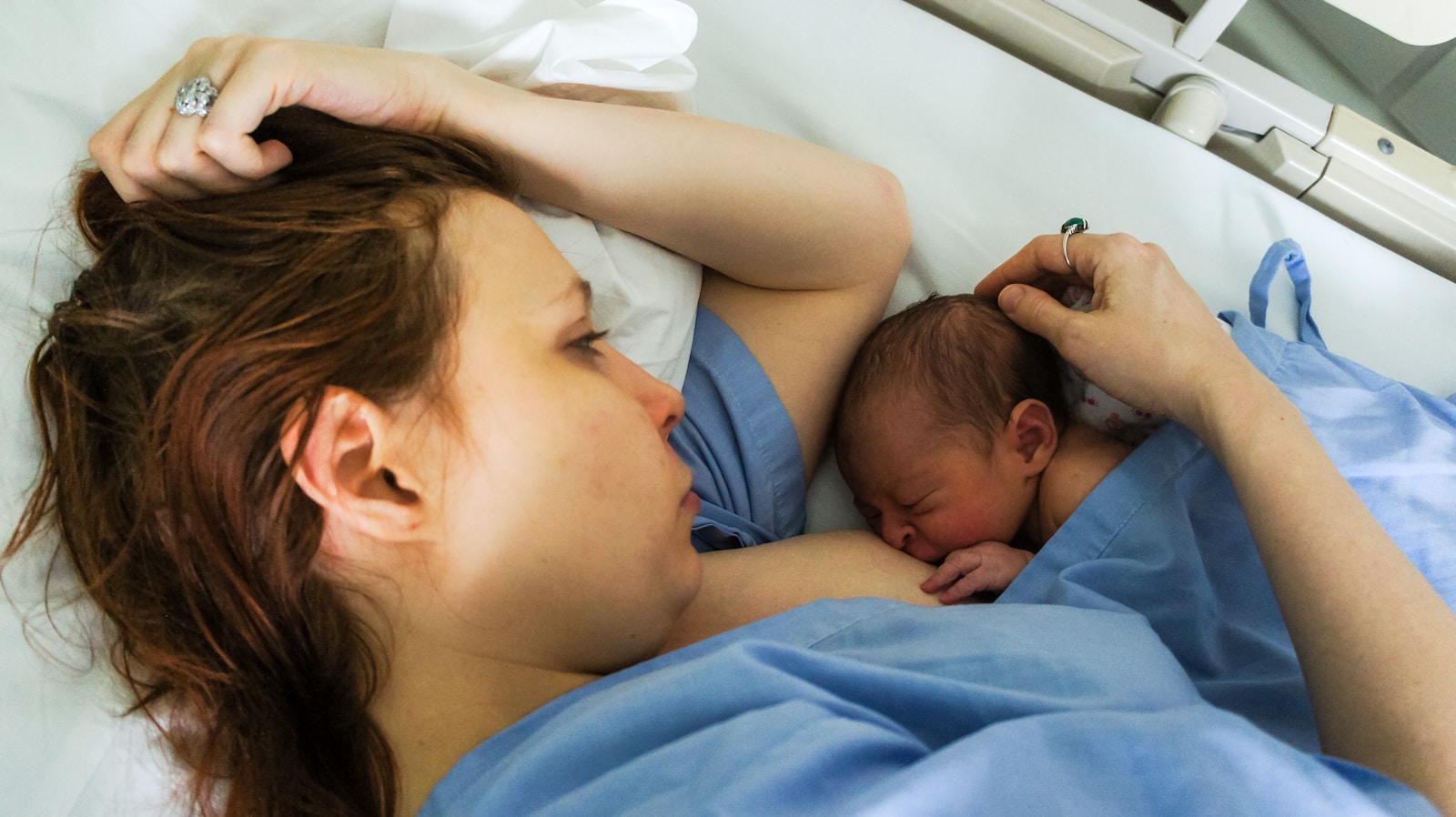
This post may contain affiliate links. As an Amazon Associate, I earn from qualifying purchases.
You planned for a baby, not a surgery. Whether your C-section was scheduled or happened in a matter of minutes at the end of a long labor, recovering from it is a different experience than most people prepare you for. You’re a new mom, which is already overwhelming. But you’re also a post-surgical patient, and that matters in ways that catch many women off guard. Here’s what actually happens during C-section postpartum recovery, week by week, and how to take care of yourself while also taking care of a newborn.
Why C-Section Recovery Is Different
A cesarean section is major abdominal surgery. Your surgeon cuts through seven layers of tissue, including skin, fat, fascia, and the uterus itself. According to the American College of Obstetricians and Gynecologists (ACOG), the full postpartum recovery period for a C-section typically extends to six weeks or beyond, and many women find the first two weeks to be the hardest.
This matters because the advice floating around about “bouncing back” after birth is largely written with vaginal delivery in mind. C-section moms are often sent home with a newborn and a prescription for ibuprofen, and left to figure out the rest. The goal of this article is to give you a clearer, more honest picture of what to expect so you’re not caught off guard when getting off the couch feels impossible on day three.
Week 1: The Hospital and the First Days Home
The first 24 to 48 hours after a C-section are spent in the hospital with nursing support, which is helpful because you’ll need it. A catheter is standard during and immediately after surgery, and you likely won’t be walking on your own for the first several hours as the spinal or epidural anesthesia wears off.
Once you’re mobile, nurses will encourage short walks down the hallway. This isn’t cruelty. The American Academy of Family Physicians notes that early, gentle movement after abdominal surgery helps reduce the risk of blood clots and supports healthy bowel function, both real concerns in the first days. Pain is managed with a combination of ibuprofen and acetaminophen, and in some cases, a short-term opioid prescription for the first few days at home.
When you arrive home, the most important thing to understand is this: you have a six-inch incision closed with stitches or staples (or both), and your internal tissues are healing at the same time. The first week is genuinely about rest, wound care, and pain management. Cooking, cleaning, and handling anything heavier than your baby should be delegated to whoever is helping you. If you don’t have help lined up yet, now is the time to reach out.
Week 2: Pain Shifts, But It’s Still Real
By the second week, the sharp surgical pain tends to soften into a duller, more generalized soreness. Many women describe a tightness or pulling sensation across the lower abdomen as the internal layers heal and nerves begin to wake back up. This is normal and expected.
Your incision site will be red, slightly raised, and possibly itchy as it heals. What to watch for: increased redness spreading beyond the incision line, warmth, swelling, or any discharge that looks yellow or has an odor. These can be signs of infection and warrant a call to your provider right away. A small amount of clear or pink fluid at the incision site in the first days is typically normal, but when in doubt, call.
This week is also when many moms feel the emotional weight of recovery more acutely. You may be breastfeeding while managing pain, sleeping in short increments, and realizing this is harder than you expected. That is a reasonable response to an unreasonable situation, not a sign that something is wrong with you. Paying attention to postpartum nutrition during this period can meaningfully support your healing, since your body needs adequate protein, iron, and calories to repair tissue and sustain milk supply.
Weeks 3 and 4: Slowly Getting More Functional
By the third and fourth weeks, most women notice meaningful improvements in their stamina and pain levels. Walking longer distances feels more manageable. Getting up from a chair doesn’t require the same deliberate planning it did in week one. The incision is usually closed and transitioning from red to pink.
That said, “feeling better” can be misleading. ACOG is clear that the six-week restriction on strenuous activity, including core exercises, heavy lifting beyond your baby, and sexual intercourse, exists because internal healing takes longer than external healing. The scar you can see on the outside heals much faster than the uterine incision underneath. Pushing too hard in weeks three or four because you feel better is one of the most common recovery mistakes, and it can set you back.
This is a good week to focus on gentle, supported movement. Short walks, gentle stretching, and breathing exercises (which help reconnect the diaphragm and core after abdominal surgery) are all appropriate. The Cleveland Clinic recommends diaphragmatic breathing as one of the first safe exercises after a C-section, as it gently engages the core without placing stress on the healing tissue.
Weeks 5 and 6: Your Postpartum Checkup and What Comes Next
Most providers schedule a postpartum visit at six weeks, which is when they’ll assess your incision, check on your overall recovery, and clear you (or not) for exercise and intercourse. This appointment is worth preparing for. Write down any concerns before you go, because the first weeks with a newborn make it easy to forget everything the moment you’re in the exam room.
Common topics to raise at your six-week visit include pelvic floor symptoms (leaking, pressure, or heaviness in the pelvic area), scar sensitivity or numbness that concerns you, mood changes or signs of postpartum depression, and your plans for birth control. ACOG updated its postpartum care guidelines in 2018 to emphasize that this visit should be comprehensive and individualized, not just a quick incision check.
Some women feel largely recovered by six weeks. Others, especially those who had complicated deliveries or additional health factors, need more time. Both are valid. The six-week mark is a milestone, not a finish line.
C-Section Scar Care: What Helps PostPartum Recovery Long-Term
Once the incision is fully closed (typically by three to four weeks), scar massage is one of the most evidence-supported ways to improve long-term scar mobility and reduce sensitivity. Physical therapists who specialize in pelvic health often recommend starting gentle scar massage around six to eight weeks after your provider has cleared you.
The reason this matters is that c-section scars can develop adhesions, where the scar tissue binds to the layers beneath it. This can contribute to chronic pelvic pain, hip tightness, and abdominal weakness if left unaddressed. A pelvic floor physical therapist can assess your scar and teach you the correct technique. Many women don’t know this is an option, and it makes a meaningful difference.
Try This Week
- Ask your partner or a family member to handle all lifting beyond your baby for the first two weeks.
- Set a phone alarm to take pain medication on schedule rather than waiting until pain spikes.
- Keep your incision area clean and dry; avoid soaking it in water (including baths or pools) until your provider clears you.
- Sleep with a pillow pressed gently against your abdomen when you need to cough, sneeze, or laugh.
- Drink at least eight to ten glasses of water daily; hydration supports healing and helps prevent constipation, which is common after surgery and pain medication.
- Take short walks starting in the first week, gradually increasing distance as tolerated.
- Eat protein-rich foods at every meal to support tissue repair.
- Ask your provider about a pelvic floor physical therapy referral at your six-week visit.
- Do not lift anything heavier than your baby until you are cleared.
- Write down your questions before your six-week appointment so you don’t forget them.
- Watch the incision daily and call your provider if you notice increased redness, swelling, or discharge.
- Accept help without guilt; this is not the time to prove you can do it alone.
Final Thoughts
A c-section is a major surgery and a major birth, and it deserves to be treated like both. Give yourself the same grace you’d give a friend recovering from an abdominal procedure, because that’s exactly what you are. The first six weeks are about healing, not performing. Rest when you can, ask for help without apology, and trust that your body is doing significant work even when you can’t feel it happening. You brought a baby into the world. That counts, no matter how it happened.
Photo by David Veksler: Unsplash

 Ayodele Akenzua
 JayDee Vykoukal

 Tess Dinapoli
 Elaine Wilson
 Chelsy