What Is Object Permanence (And Why Your Baby Suddenly Cries When You Leave)
 Farah
Farah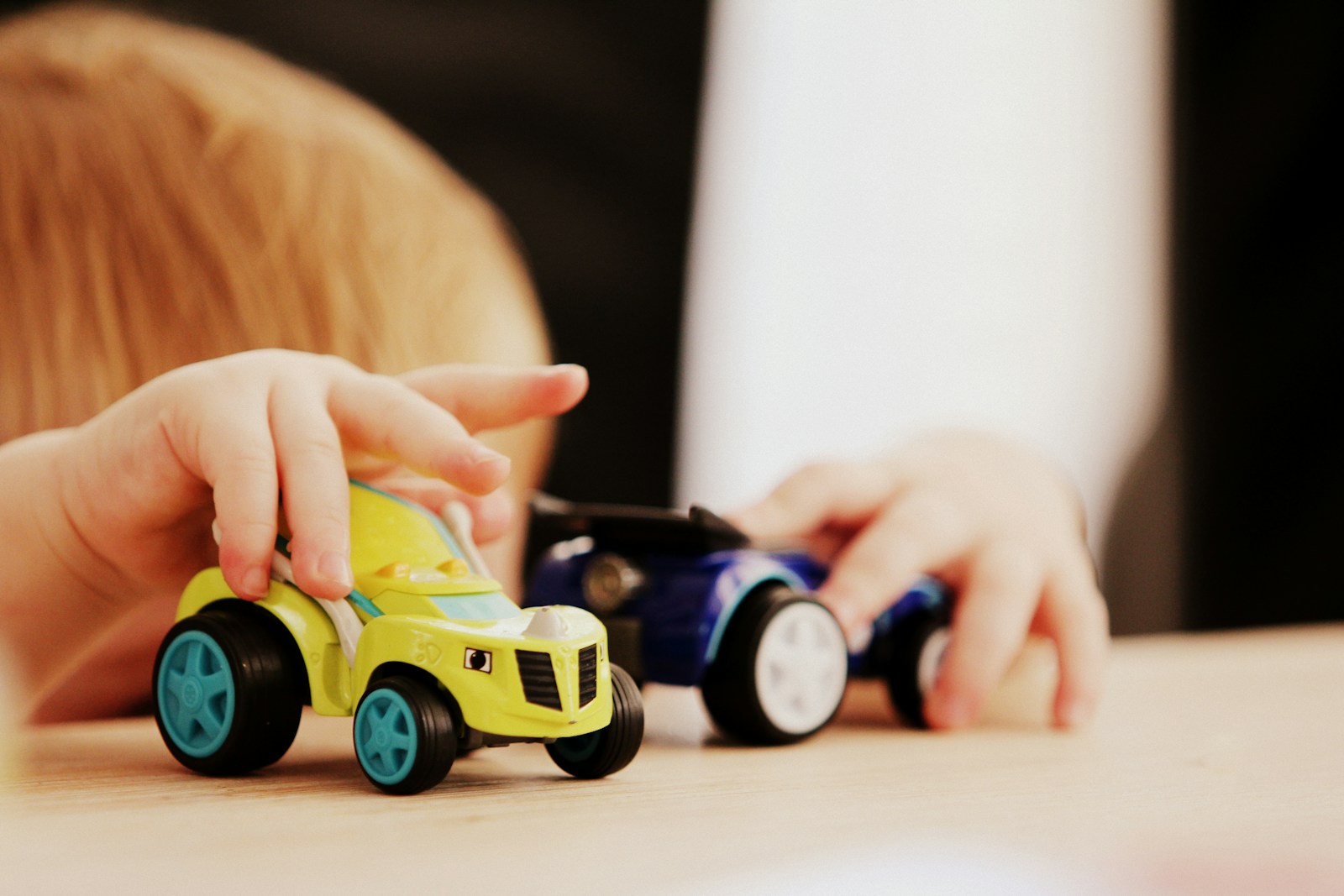
This post may contain affiliate links. As an Amazon Associate, I earn from qualifying purchases.
Object permanence is the understanding that people and objects still exist even when your baby can’t see, hear, or touch them. Before this skill develops, your baby genuinely believes that when you walk out of the room, you cease to exist. Once it clicks, usually somewhere between four and twelve months, everything about how your baby relates to you starts to shift, including the tears that show up the second you leave.
In your baby’s daily life, this milestone explains a lot. It’s why peekaboo suddenly gets hilarious around six months instead of confusing. It’s why the toy that rolled under the couch used to be forgotten instantly and now triggers a full search mission. And it’s why the baby who used to happily go to grandma is now sobbing at daycare drop-off, clinging to your shirt like you’re never coming back. None of this means you did something wrong. It means your baby’s brain just made one of the biggest cognitive leaps of the first year.
Why Object Permanence Matters For Your Baby Right Now
Object permanence is not a minor developmental footnote. It is the foundation for memory, problem solving, and eventually trust and attachment. A baby who understands that you continue to exist when you’re out of sight is also building the mental framework needed to understand that you will come back. As the American Academy of Pediatrics explains in its guide to cognitive development in infants, a baby who watches you hide a toy under a scarf will, around eight months, pick up the scarf and search for it, a response that would not have happened just a few months earlier.
This matters for you because it reshapes daily routines almost overnight. Drop-offs get harder. Nighttime separations get harder. A baby who slept fine at grandma’s house might suddenly protest being handed off. None of this is regression in the sense of your baby losing a skill. It’s the opposite. Your baby is gaining a skill, and the emotional fallout is simply the cost of that new understanding settling in.
How Object Permanence Develops, Stage By Stage
Object permanence doesn’t switch on overnight. It unfolds gradually over the first two years, and different babies move through the stages at their own pace.
| Age Range | What’s Happening In The Brain | What You’ll Notice | Game To Try |
|---|---|---|---|
| 0 to 3 months | Out of sight is truly out of mind. Hidden items register as gone. | No reaction when a toy or parent moves out of view. | Face-to-face talking, tracking high-contrast toys |
| 4 to 7 months | Early spatial awareness begins to form. | Watching a dropped toy fall, glancing toward where it landed. | Tuck a toy half under a blanket |
| 8 to 12 months | Active searching kicks in, though the sense of time is still missing. | Separation anxiety often peaks. Lifting clothes to find hidden toys. | Classic peekaboo, fully hiding a toy |
| 13 to 24 months | Memory of hidden items becomes reliable without a visual cue. | Searching across rooms, remembering where things were hidden. | Multi-step hide and seek |
Every baby moves through this timeline differently, and a baby who seems fascinated by hide and seek one day and totally uninterested the next is completely normal. Object permanence is not a switch; it’s a skill that strengthens with repetition and practice.
Why Your Baby Suddenly Cries When You Leave
Separation anxiety and object permanence are two sides of the same coin. Once your baby understands that you still exist somewhere when you’re not in the room, a new problem appears: your baby doesn’t yet understand time, distance, or the reliability of your return. A simple way to think about it:
Separation distress = knowing you still exist, minus understanding when you’ll be back. Your baby has the first half of that equation and not the second, which is exactly why the crying can feel so sudden and so intense.
This is exactly why a baby who never blinked at being handed to a babysitter at four months might suddenly wail the moment you walk out the door at eight or nine months. It’s also part of why sleep can get bumpier during this window, since a baby who wakes at 2 a.m. now has the cognitive tools to realize you’re not in the room, even if you’re right down the hall. If your nights have gotten rougher around this age, it’s worth reading about how the 8- to 10-month sleep disruption often ties directly to this same surge in object permanence and separation awareness.
The distress is real, but it’s also a sign that something is working correctly in your baby’s brain. It typically peaks between eight and eighteen months and eases gradually as your baby’s sense of routine and trust in your return grows stronger.
How To Tell If Your Baby Is Developing Object Permanence
Watch for a few concrete signs rather than waiting for a single dramatic moment. Your baby reaching for or lifting a cloth off a partially hidden toy is one of the earliest markers. Continued searching for an object after it’s fully out of view, rather than immediately losing interest, is a stronger sign that typically shows up closer to ten months. Genuine delight during peekaboo, especially anticipating your reappearance rather than being startled by it, is another good indicator. Crying, clinginess, or protest when a caregiver leaves the room is often lumped in as difficult behavior, but it’s actually one of the clearest behavioral signs that the concept has taken hold.
If your baby is close to twelve months and shows none of these signs, that’s worth mentioning at your next well child visit, though occasional inconsistency from day to day is completely normal and not a red flag on its own.
What To Do (And What Not To Do) During This Stage
Lean into repetitive games. Peekaboo, hiding a toy under a blanket, or tucking a favorite object partway under a cushion all give your baby low stakes practice at the exact skill they’re building. Keep goodbyes short and calm rather than drawn out, since a long, anxious departure often reads to your baby as confirmation that something is wrong. Build predictable routines around separations, like a consistent goodbye phrase or ritual, so your baby starts to associate leaving with a reliable return.
Avoid sneaking away without saying goodbye. It might feel easier in the moment, but it can undermine the trust you’re trying to build, since your baby learns that you might disappear without warning. Avoid dismissing the crying as manipulation or a bad habit. This is a developmental stage, not a discipline issue, and it responds far better to reassurance than to being ignored.
Track Your Baby’s Separation Pattern This Week
A simple log can help you spot patterns in when the crying peaks and what actually helps, so you’re not guessing at 6 a.m.
| Day | Trigger | Reaction (1 to 5) | Goodbye Routine Used | Time To Calm |
|---|---|---|---|---|
| Day 1 | Daycare / Room Exit / Bedtime | |||
| Day 2 | Daycare / Room Exit / Bedtime | |||
| Day 3 | Daycare / Room Exit / Bedtime |
Try This Week
- Play peekaboo during diaper changes or tummy time, several short rounds a day
- Hide a toy partway under a blanket and watch whether your baby searches for it
- Use a short, consistent goodbye phrase before every separation
- Avoid sneaking out unannounced, even when it feels simpler
- Give extra cuddle time right before drop-offs or bedtime
- Keep transitions predictable with the same order of steps each time
- Narrate what’s happening, such as saying you’re going to the kitchen and will be right back
- Offer a comfort object that stays consistent across naps and outings
- Expect some disruption to sleep or extra clinginess, and don’t read it as a setback
- Celebrate the searching behavior, it’s a sign of real cognitive growth
- Give caregivers a heads-up that separation may be harder right now
- Be patient with day-to-day inconsistency; this is not linear
Final Thoughts
The tears at drop-off, the sudden nighttime wake-ups, the clinginess that seemed to appear out of nowhere, all of it is your baby’s brain doing exactly what it’s supposed to do at this age. Object permanence is not something that happens to your baby; it’s something your baby is actively building, one peekaboo game and one tearful goodbye at a time. The clinginess won’t last forever, but the trust you’re building right now, through short goodbyes and consistent returns, is what carries your baby through it.
Photo by Sandy Millar: Unsplash


 Aqsa Salam
 Chelsy
 Kate Shaw
 Jada Glover